
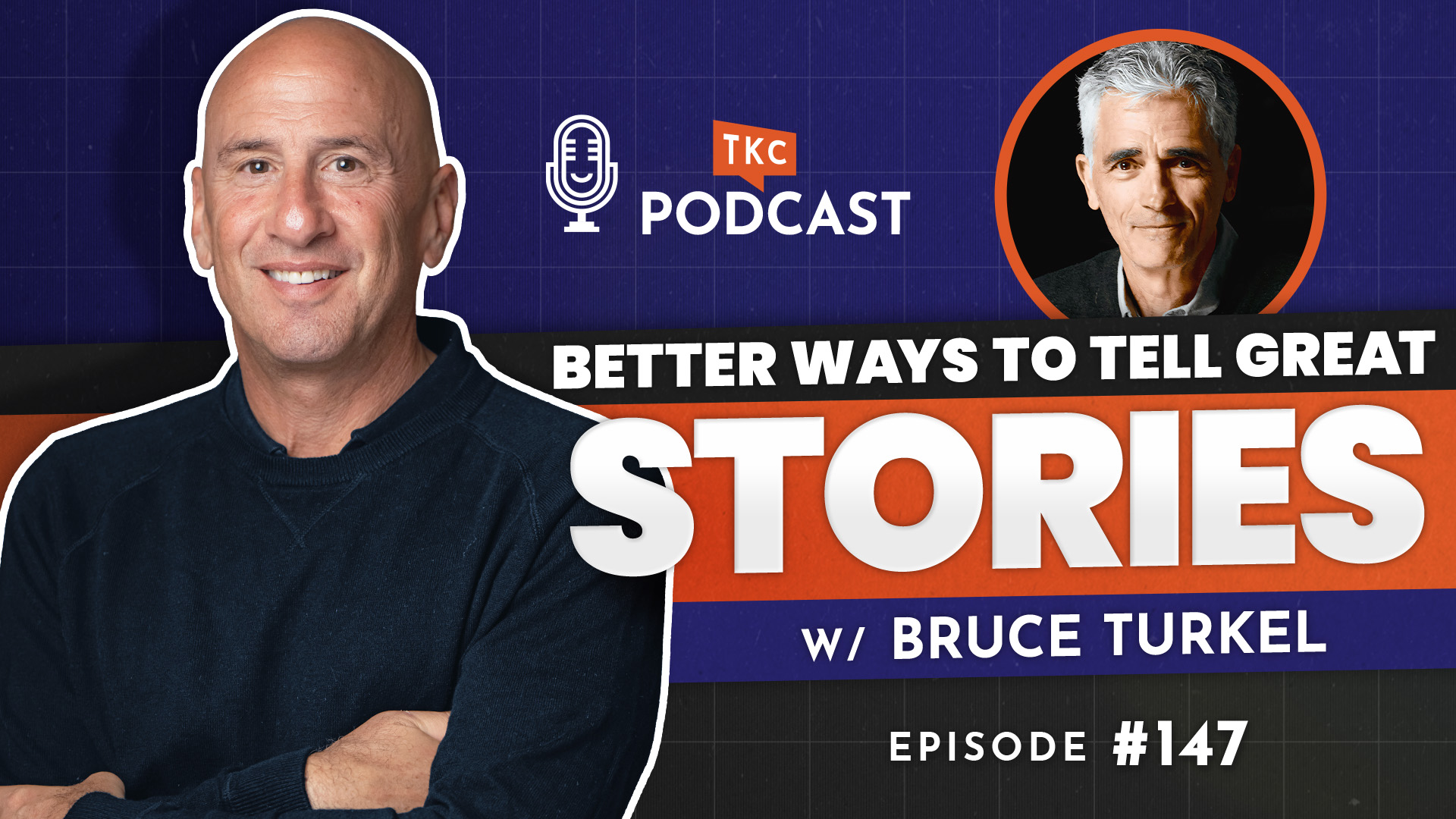
December 4, 2025Why Top Event Planners Use Story to Double Audience Engagement, with Bruce Turkel
Learn from Hall of Fame speaker Bruce Turkel how story transforms events from forgettable content into experiences attendees quote months later.
When Did Events Stop Being About People?
Here’s a question that should make every event planner pause: when was the last time someone at your event quoted your keynote speaker six months later? Not the free stuff they grabbed or the venue they posted on Instagram—the actual message that made them want to take action.
If you’re drawing a blank, you’re not alone. Most events today are drowning in information but starving for real connection. People sit through session after session of data dumps, feature lists, and company pitches that feel more like sales calls than actual conversations. They nod politely, scribble notes they’ll never look at again, and leave without a single story they want to share.
The problem isn’t your speakers, your budget, or how fancy your stage looks. It’s that somewhere along the way, events stopped telling stories that actually matter. Branding & marketing expert and best-selling author Bruce Turkel has spent decades helping Fortune 500 companies and industry leaders understand one simple truth: your audience isn’t craving more content—they’re craving a story that feels like it’s about them.
In this post, you’ll discover why story is how humans have always built trust and inspired action. You’ll learn how to turn your own experiences into messages that audiences actually see themselves in, and you’ll walk away with real ways to design events where every session feels less like a boring presentation and more like an eye-opening moment.
? Watch and listen to the podcast episode: YouTube • Spotify • Apple Podcasts • Amazon Music
Story Isn’t Just a Nice Extra on Your Agenda
Walk into most event planning meetings and the story gets treated like parsley on a plate—it looks nice but doesn’t really matter. The real focus lands on logistics, speaker credentials, and whether the breakout sessions match what the company wants to say. A story becomes something you hope just happens if you book someone with a good personality.
Story keynote speaker Bruce Turkel completely flips this thinking. Story isn’t decoration—it’s how everything works. Long before PowerPoint and LinkedIn profiles existed, humans used stories to share knowledge, build communities, and get people to take action. When someone shares a good story, your brain doesn’t just process information—it actually experiences what’s happening. Special neurons fire up, emotions kick in, and suddenly you’re not just listening anymore. You’re living inside someone else’s experience.
This matters a lot for event professionals because you’re not just competing against other conferences. You’re competing against Netflix, podcasts, and every other entertainment option that’s mastered keeping people interested. Attendees can get information anywhere now—Google will answer their questions faster than your keynote speaker can. What they can’t get from a search engine is that feeling of recognition, the moment when a story makes them think “that’s exactly what I’m going through.”
Bruce learned this lesson early through something unexpected: a harmonica. During his presentations, he doesn’t just talk about creativity and innovation—he actually pulls out a harmonica and plays it. Not because he’s a professional musician, but because music creates an emotional entry point that gets past your audience’s usual defenses. When people hear a familiar melody, they relax. Their guard drops. They stop judging and start experiencing.
Story works exactly the same way. A well-told story doesn’t feel like someone is trying to sell you something or convince you of anything. It feels like a friend sharing a tough lesson they learned. That emotional honesty is what transforms forgettable content into the kind of message people repeat in meetings six months later.
The event planners who get this don’t ask “what information do we need to share?” They ask “what story needs to be told so our audience sees themselves as the hero?” That single change in thinking transforms everything about how you design sessions, pick speakers, and measure whether you succeeded.
The Difference Between Telling Your Story and Telling Their Story
Most speakers make a huge mistake that kills engagement before they even finish their opening line. They stand on stage and tell their story—their wins, their journey, their unique take—as if their accomplishments alone will inspire everyone. The audience sits politely, maybe impressed by the credentials, but totally disconnected. There’s no bridge between what the speaker experienced and what the attendee is actually dealing with.
Bruce Turkel teaches something completely different. Your story only matters when it becomes their story. This doesn’t mean making stuff up or just telling people what they want to hear. It means finding the universal truth inside your personal moment and sharing it in a way that lets every person in the room see their own struggle reflected back.
Think about the best keynote you’ve ever seen. Chances are, the speaker didn’t spend the whole time listing achievements. Instead, they shared a vulnerable moment—a failure, a tough decision, a lesson learned through pain—and suddenly you weren’t watching someone on stage anymore. You were reliving your own version of that same challenge. The speaker became a mirror, not a monument.
This is where most business leadership talks fall apart. Executives show up ready to showcase their company’s success numbers, but numbers don’t move people. Stories about the messy middle do. The moment when everything seemed lost but someone took a risk anyway. The conversation that changed a project’s direction. The realization that came not from data, but from actually listening to what a customer wasn’t saying.
When Bruce works with clients on their messaging strategy, he starts with a simple but powerful question: “What does your audience need to believe about themselves to take action?” Notice he doesn’t ask what they need to believe about your company or your product. He asks what they need to believe about themselves. That’s the story you’re actually telling—the one where they’re the main character and your message is what helps them see a new possibility.
For event professionals, this changes everything about how you brief speakers and design sessions. Instead of sending speakers a list of company talking points, send them detailed descriptions of your audience’s challenges, fears, and goals. Ask speakers to build their presentations around the moment when someone thinks “this person gets exactly what I’m dealing with.” That recognition creates the emotional connection that makes messages stick.
The beauty of this approach is that it doesn’t require famous names or massive budgets. A relatively unknown speaker telling the right story with real vulnerability will beat a celebrity phoning in generic motivational stuff every single time. Your attendees don’t need to meet someone famous—they need to meet someone who makes them feel less alone in their struggle.
Why Famous Speakers Don’t Always Deliver Real Value
Event planners face huge pressure to book recognizable names. Executives want speakers who will get people to register. Marketing teams want social media moments. Budget holders want to see results measured in attendance numbers and brand mentions. So you book the big name, pay the big fee, and hope that celebrity status turns into actual impact.
But here’s what Bruce learned after decades in the speaking world: there’s a massive difference between booking a “valuable” speaker and booking a speaker who actually delivers value. A valuable speaker has impressive credentials, media appearances, and name recognition. A speaker who delivers value changes how your audience thinks, feels, and acts after they leave your event.
The most frustrating part? These two things don’t always overlap. You can book a Hall of Fame speaker with a billion-dollar business portfolio and still end up with a session that feels more like a rehearsed TED Talk than a real conversation. Meanwhile, a lesser-known expert who truly understands your audience might deliver the most quoted session of your entire conference.
This matters because event success isn’t measured by who showed up—it’s measured by what changed after they left. Did attendees actually use new strategies? Did they talk with colleagues about what they learned? Did your event create real business growth for the companies who attended, or did it just create content they consumed and forgot?
Bruce points to a simple test: six months after your event, can people still quote something specific from your keynote speaker? Not a vague memory of “it was really inspiring” but an actual phrase, concept, or story they’ve repeated to others. If the answer is no, you booked presence instead of impact.
The speakers who pass this test share common traits. They’ve done the work to understand your audience’s situation before they step on stage. They ask questions during the planning call instead of just accepting your agenda. They customize content instead of delivering their standard presentation. Most importantly, they build their message around story instead of just facts and figures.
When you’re evaluating speakers, look beyond the highlight reel. Ask for references from planners whose audiences look like yours. Request examples of how they’ve customized content for different industries. Pay attention to whether their demo videos show them talking at audiences or actually engaging with them. A speaker who builds their entire talk around perfectly rehearsed stories might look polished, but a speaker who can read a room and adjust their story in real-time will give you way more value.
This doesn’t mean credentials don’t matter. Bruce himself has worked with Discovery Networks, Bacardi Limited, and countless other major companies—that experience shapes his perspective. But the credentials are just the foundation, not the whole house. What you’re really booking is someone who can take that expertise and translate it into a story your specific audience will actually remember.
Matching What Companies Want with What Attendees Actually Need
Every event planner lives in the tension between competing priorities. Leadership wants sessions that reinforce company messages and big-picture goals. Sponsors want visibility and chances to get leads. Meanwhile, attendees show up hoping for insights they can actually use, connections that feel real, and content that treats them like intelligent adults instead of targets in a sales pitch.
These priorities don’t have to fight each other, but most events feel like a tug-of-war where someone always loses. Sessions get overloaded with product mentions. Keynotes become thinly disguised commercials. Attendees leave feeling sold to instead of spoken for, and next year’s registration numbers tell the story your feedback survey tried to hide.
Bruce Turkel tackles this challenge from a customer experience angle that starts with a fundamental shift. Company goals and attendee needs aren’t opposites—they’re two sides of the same outcome. When you create an experience where attendees feel genuinely served, they become way more open to whatever message you’re trying to deliver. When they feel manipulated, they tune out everything, including the valuable stuff buried beneath the corporate speak.
The solution is leading with stories that address attendee challenges first. If your company’s big initiative for the year is digital transformation, don’t open with a keynote about why everyone needs to adopt your new platform. Open with a story about a team that was drowning in outdated processes, scared of change, and convinced that transformation would mean losing their jobs—then show how addressing those real fears led to better outcomes for everyone.
Notice the shift? You’re still sharing the message leadership wants. You’re still moving toward company goals. But you’ve wrapped those goals inside a story that treats attendees like humans with legitimate concerns instead of obstacles to overcome. The content doesn’t change, but how you frame it changes everything.
Bruce calls this “audience-first event design,” and it requires planners to do something most events skip entirely: actual audience research. Not just demographic data or job titles, but real understanding of what keeps your attendees up at night. What frustrates them about their current role? What skills do they wish they had? What conversations are they tired of having? What would make them feel like their time at your event was the best investment they made all year?
Armed with those insights, you can brief speakers to create messages that feel like solutions instead of sales pitches. You can design breakout sessions that address unspoken worries. You can create networking opportunities that don’t feel forced because they’re built around shared challenges instead of random mixing.
This approach also solves the sponsor problem more smoothly than most planners expect. When your content genuinely helps attendees, they’re more engaged, more attentive, and more likely to remember who made that value possible. A sponsor linked to a transformative session gets better brand recognition than a sponsor whose logo showed up on seventeen different things but never connected to actual value.
The event planners who master this balance don’t see company goals and attendee experience as competing priorities. They see them as ingredients that only create something remarkable when mixed in the right amounts with story as the thing that holds it all together.
How Bold Questions and Participation Transform Passive Audiences
Walk into the average keynote session and you’ll see a predictable scene: speaker on stage, audience in rows, one-way communication flowing for sixty minutes while people shift in their seats and check phones under tables. The unspoken agreement is clear—sit quietly, take in information, clap politely, leave. We’ve confused this format with professionalism when it’s actually just a lecture given to adults who stopped learning from lectures decades ago.
Bruce Turkel builds his presentations on a totally different foundation. Risk is what creates real engagement. Instead of delivering perfectly polished speeches designed to avoid any chance of awkwardness, he creates moments where the audience has to participate, respond, and occasionally feel uncomfortable in the best possible way.
This isn’t about cheap tricks or asking rhetorical questions no one actually answers. It’s about designing your content so the audience can’t stay passive even if they want to. When Bruce pulls out his harmonica, he’s not just adding variety—he’s creating a pattern interrupt that forces people to shift from judging mode into experiencing mode. Their brain can’t evaluate the presentation and enjoy the music at the same time, so defenses drop and real connection becomes possible.
The same thing works with questions. Most speakers ask safe questions that don’t need real answers: “Who here wants to be more successful?” Hands go up, everyone feels included, nothing actually happens. Compare that to Bruce asking something genuinely tough: “What’s the story you’ve been telling yourself about why you can’t make the change you know you need to make?” Suddenly the room gets quiet in a different way. People aren’t disengaged—they’re thinking. That discomfort is the sound of actual learning happening.
For event professionals, this approach means rethinking how you design sessions and set expectations. The traditional conference format prioritizes quantity over quality—pack in as many sessions as possible, keep speakers on strict time limits, minimize gaps between sessions. But that efficiency comes at the cost of impact. You can’t create life-changing experiences when you’re moving people between rooms every fifteen minutes.
Bruce’s method works best when you give it breathing room. Longer sessions with fewer speakers. Room layouts that make interaction easy instead of just viewing. Permission for speakers to go off-script when something interesting comes from audience participation. This makes many planners nervous because it introduces things you can’t control, but that’s exactly the point. The moments attendees remember most aren’t the ones you carefully choreographed—they’re the ones that happened because you created the right conditions for real human connection.
This also changes how you measure speaker effectiveness. Instead of checking whether someone stayed on message and finished on time, measure whether they sparked conversations that continued into the hallway. Did attendees leave that session and immediately want to discuss it with colleagues? Did questions from the audience reveal insights the speaker hadn’t thought of? Those messy, unscripted moments often give more value than any perfectly rehearsed presentation ever could.
The event planners who embrace this philosophy don’t see risk as something to minimize. They see it as the ingredient that transforms events from information delivery systems into experiences people can’t stop talking about. When you trust your speakers to be authentic and your attendees to be smart, remarkable things happen that no amount of careful planning could manufacture.
Using Creative Elements to Make Stories Feel Real
Bruce Turkel doesn’t just tell stories—he makes his audiences feel them through carefully chosen creative elements that bypass intellectual barriers and create direct emotional experiences. The harmonica isn’t a gimmick—it’s a strategic tool that proves a deep truth about how people work: we remember how something made us feel long after we forget the specific words that were said.
This has huge implications for event design. Most planners focus tons of energy on how things look—lighting, screens, stage design—while neglecting the elements that actually create emotional resonance. A pristine stage setup doesn’t make content memorable. What makes content memorable is the moment when someone feels something shift inside them, when a concept clicks not just in their head but in their gut.
Music is one way to get there, but it’s not the only one. The common thread is that these creative elements must serve the story, not distract from it. When Bruce plays harmonica, the music connects directly to the point he’s making about creativity, risk, or human connection. It’s not entertainment for its own sake—it’s storytelling through a different medium.
Think about how this applies to your event programming. What sensory experiences could deepen the messages you’re trying to share? If you’re doing a session on innovation, could you include a hands-on part where attendees actually create something during the session? If you’re addressing corporate culture challenges, could you use video clips of real employees telling their stories instead of just having executives describe the problem?
The goal is to create what Bruce calls “a real sense of accomplishment”—attendees should leave feeling like they didn’t just consume content, they participated in something meaningful. This requires moving beyond the broadcast model of events toward something more participatory and experiential.
Some of the most effective creative elements are also the simplest. Strategic silence, for example, is incredibly powerful when used correctly. Instead of filling every moment with words, a speaker who pauses after asking a difficult question creates space for that question to really land. The audience has to sit with the discomfort, which means they’re actually processing the content instead of just waiting for the next piece of information.
Similarly, bringing physical objects on stage can make abstract concepts feel tangible and real. If you’re talking about the importance of thought leadership, showing the actual book you wrote makes the achievement real in a way that just describing it never could. If you’re discussing failed projects, bringing a product that never launched turns the lesson from theoretical to gut-level real.
For event planners, this means having conversations with speakers about how they can use the full range of tools available to them—not just slides and speeches. What could they bring? What could they ask attendees to do? What creative risks are they willing to take if you create the space and safety for experimentation?
The events that stand out aren’t the ones with the biggest budgets or fanciest production. They’re the ones where every creative choice serves the larger story being told. Where music isn’t background noise but emotional punctuation. Where visuals don’t just illustrate points but create new understanding. Where every element works together to make the audience feel something genuine.
What Happens When Story Becomes Your Strategic Tool
The transformation Bruce Turkel advocates isn’t just about better presentations or more engaging sessions. It’s about fundamentally repositioning story as a strategic tool for your brand, your events, and your organization’s larger goals.
Most companies treat storytelling as a marketing job—something the communications team handles when they need to jazz up company messages. But Bruce’s work with Fortune 500 clients shows that story operates at a much more fundamental level. Your brand isn’t what you say about yourself—it’s the story your customers tell about you when you’re not in the room. Your event’s impact isn’t measured by attendance numbers—it’s measured by the stories attendees carry back to their organizations.
When you approach events with this mindset, your entire planning process changes. Budget decisions shift from production spectacle toward speaker selection and content development. Planning documents focus less on company messages to deliver and more on audience transformations to create. Success metrics expand beyond satisfaction scores to include qualitative measures like story recall and behavior change.
This strategic approach also helps solve one of the biggest challenges event planners face: proving ROI. When your event creates memorable stories that attendees repeat for months, those stories become trackable. You can measure how often your event gets mentioned in internal meetings. You can track whether attendees actually used strategies discussed in sessions. You can document how the relationships formed at your event led to new business growth opportunities.
Bruce’s own journey shows this principle perfectly. After selling Turkel Brands, the global consultancy he founded, he could have simply retired on his success. Instead, that transition became the story behind his latest work exploring meaning, purpose, and what drives us beyond just accomplishing things. The sale wasn’t an ending—it was material for the next chapter of stories that would resonate with leaders facing their own transitions and questioning what comes next.
Event planners can adopt this same mindset with every program they create. Your spring conference isn’t just an annual obligation—it’s a chapter in the ongoing story of your organization’s evolution. The keynote speaker you book isn’t filling a slot on the agenda—they’re helping write the narrative that defines what your community believes is possible.
When leadership asks “what’s our content strategy for next year’s event?” the answer should start with story. What’s the arc we’re building? What transformation are we inviting attendees into? What story do we want them telling about themselves after they experience what we’ve created? Those answers should drive every other decision that follows.
The planners who master this approach don’t chase trends or copy what worked at other events. They develop a clear point of view about what their audience needs, craft stories that deliver that insight with emotional honesty, and create experiences where those stories can land with maximum impact. They measure success not by how many sessions they packed into two days, but by how many lives shifted because someone finally heard the story they needed at exactly the right moment.
Making Your Next Event Unmissable Through Story
The events industry sits at a crossroads. One path leads toward becoming just another commodity—events that feel interchangeable, speakers who deliver generic motivation, attendees who show up out of obligation rather than genuine interest. The other path leads toward real transformation—events that matter because they tell stories that change how people see themselves and their possibilities.
Bruce Turkel’s work proves that story isn’t just a tool for better presentations. It’s the fundamental way to create human connection, build trust, and inspire action. When you lead with story that puts your audience at the center, everything else about your event improves. Sessions feel more relevant because they address real challenges. Speakers connect more deeply because they’re not performing—they’re sharing. Attendees leave energized because they experienced something genuine instead of just consuming another day of content.
For meeting professionals and business owners, the question isn’t whether to use story in your events. Story is already there—you’re telling one whether you mean to or not. The question is whether you’re telling a story worth repeating. Are you creating moments that attendees will quote in meetings six months later? Are you designing experiences where people see themselves reflected back in ways that make new actions possible?
This takes courage. You have to book speakers based on real value rather than just name recognition. You have to create space for interaction even when that feels risky. You have to measure success by transformation rather than just satisfaction. You have to trust that when you genuinely serve your audience, the company goals take care of themselves.
The event planners who commit to this approach don’t just create better conferences. They create strategic tools that drive real business outcomes. They build communities instead of just gathering crowds. They prove that in a world drowning in content, the right story told the right way remains the most powerful tool available.
Your next event can be that kind of experience. It starts with asking better questions. Not “what information do we need to share?” but “what story needs to be told?” Not “who’s available in our budget?” but “who understands our audience deeply enough to make them feel seen?” Not “how do we fill the agenda?” but “how do we create space for transformation?”
Those questions lead to different answers, different choices, and different results. They lead to events people don’t just attend—they look forward to. Sessions they don’t just sit through—they participate in. Messages they don’t just hear—they carry with them. That’s what happens when story moves from nice-to-have to absolute necessity. That’s what happens when you design events where every element serves the larger narrative of human connection and possibility.
The story you tell through your next event will either be forgettable or unforgettable. The choice, as always, is yours.
Ready to Transform Your Event Through Story?
The most memorable events don’t happen by accident. They happen when planners commit to putting story at the center of every decision, from speaker selection to session design to audience engagement. The insights Bruce Turkel shares aren’t just theory—they’re proven strategies from decades of helping Fortune 500 companies and industry leaders create messages that move people to action.
Whether you’re planning your next conference, designing a corporate retreat, or building a speaker lineup that drives real business impact, the principles remain the same. Lead with stories that make your audience the hero. Create experiences that feel less like presentations and more like revelations. Measure success by transformation, not just satisfaction scores.
Want to bring story-driven impact to your next event? Explore Bruce Turkel’s speaking topics and videos to see how he customizes content for audiences like yours.
Programming sessions on branding, marketing, or audience engagement? Discover more speakers who understand how to turn company messages into compelling stories at thekeynotecurators.com.
Ready to design an event that people actually remember? Book a 15-minute discovery call to discuss your objectives, audience challenges, and how the right speaker can make your next program unmissable.
Have questions about speaker selection or event strategy? Email us at info@thekeynotecurators.com and let’s start the conversation about creating experiences that deliver real business value.
Your audience is waiting for a story that changes how they see themselves. Make your next event the place where that story gets told.
Discover More Insights


Get in TouchContact US
Fill out the form so we can best understand your needs.
A representative from The Keynote Curators will reach out to you.
Our Services
Keynote Speakers Topics
© 2026 The Keynote Curators. All Rights Reserved | Terms and Conditions
The Keynote Curators, 8275 South Eastern Avenue, Suite 200, Las Vegas, NV 89123
Local (310) 299-4595 | Toll Free (888) 585-8715 | info@thekeynotecurators.com
The Keynote Curators - Top Keynote Agency, USA.