
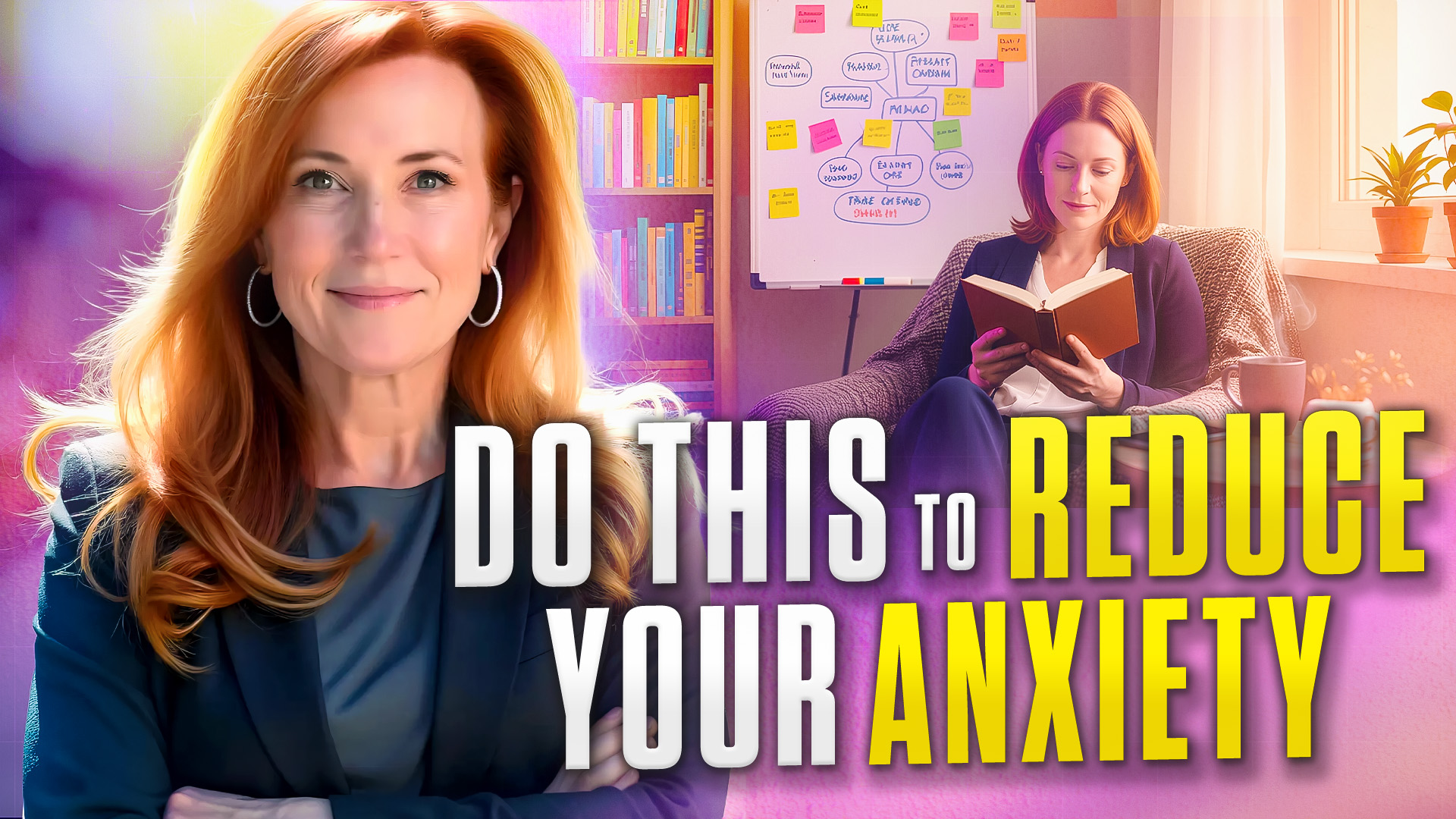
December 12, 2025Analog Strategies That Reduce Digital Anxiety (From a Former White House CIO)
Learn how to calm digital anxiety with proven analog strategies from former White House CIO Theresa Payton that can help you restore your human connections.
When Technology Experts Tell You to Unplug
What happens when someone who ran technology for the President of the United States tells you to put down your phone? You listen. Anxiety keynote speaker Theresa Payton, the first female White House Chief Information Officer and current AI strategist, has spent decades at the cutting edge of technology. Yet her most counterintuitive advice might be her most valuable: the solution to digital anxiety isn’t another app or productivity hack. It’s stepping away from the screens entirely.
This revelation comes from someone whose entire career revolves around embracing technological advancement. If she’s recommending analog solutions, something profound is happening in our relationship with digital tools. The irony runs deep—as our devices grow more sophisticated and connected, we’re becoming increasingly disconnected from what actually grounds us: genuine human interaction and uninterrupted thinking time.
In this article, we’ll explore why digital anxiety has reached epidemic levels among meeting professionals and business leaders, how technology keynote speaker Theresa Payton approaches this challenge, and practical analog strategies you can implement immediately to reclaim your mental clarity without abandoning the digital tools that drive modern business.
? Watch and listen to the full interview about technology and artificial intelligence here
The Anxiety Problem We’ve Created with Technology
Most people experiencing anxiety assume they need better systems or more efficient apps. After all, if you’re drowning in notifications and feeling overwhelmed by digital demands, surely the answer is optimizing your tech stack, right? Wrong. Theresa explains that this thinking represents exactly what’s keeping us trapped in a cycle of escalating stress.
The problem isn’t insufficient digital tools, and at the same time, adding more won’t solve anything. Instead, the core anxiety issue is that we’ve eliminated the natural breaks our brains require. We’ve constructed an environment where constant connectivity is the default, and disconnection requires active effort. This represents a complete inversion of healthy human functioning.
Consider how your typical workday flows. You wake up to phone notifications, check emails before leaving bed, scroll through news during breakfast, and spend the commute consuming podcasts or catching up on messages. Meetings happen back-to-back with laptops open and phones within arm’s reach. Lunch gets eaten while reviewing documents. The afternoon brings more screen time, followed by an evening where “relaxation” means streaming content or scrolling social media. Where in this schedule does your brain actually rest? No wonder why we feel anxiety at the end of the day.
This relentless digital immersion creates what Theresa identifies as a critical gap in true human connection. “That anxiety that you’re feeling is a lack of true human connection, non-digital,” she explains. The screens separating us from each other aren’t just physical barriers—they’re cognitive ones. When every interaction gets filtered through a device, something essential gets lost in translation.
Research in neuroscience supports this observation. Our brains evolved for face-to-face interaction, processing thousands of subtle social cues through body language, tone, facial expressions, and spatial dynamics. Video calls capture only a fraction of these signals, while text-based communication eliminates them entirely. Therefore, even as we increase our number of digital “connections,” we’re experiencing a profound connection deficit that manifests as anxiety, loneliness, and burnout.
For meeting professionals and event planners, this presents a particular challenge. Your work demands digital fluency and constant availability—and with that, it’s natural to feel anxiety. However, that same constant availability gradually erodes your capacity to think strategically, solve problems creatively, and maintain the mental resilience your role requires. The anxiety you’re experiencing isn’t a personal failing—it’s a predictable response to an unsustainable environment.
Why Analog Thinking Produces Digital Results
Theresa’s background provides crucial context for understanding why her analog recommendations carry such weight. Before serving as White House CIO under President George W. Bush, she held executive positions in banking technology for major financial institutions. After her White House tenure, she co-founded Dark3, a cybersecurity product company, and Fortalice Solutions, a cybersecurity consulting firm recognized as one of the top five most innovative companies in its field across Northern Virginia, Maryland, and DC.
This isn’t someone who fears technology or lacks digital sophistication. On the contrary, her expertise in AI, cybersecurity, and emerging tech trends places her at the forefront of innovation. When someone with her credentials recommends analog solutions, she’s speaking from direct observation of what actually works, not theoretical preferences.
The magic Theresa references regarding whiteboards and face-to-face brainstorming isn’t nostalgia—it’s neuroscience. When you remove digital intermediaries from creative thinking, it not only does reduce anxiety on a superficial level, but your brain functions differently. You process information more deeply, make unexpected connections, and engage regions associated with spatial reasoning and fine motor control. These cognitive differences translate into better problem-solving, less anxiety and more innovative solutions.
Moreover, analog activities create natural constraints that digital tools eliminate. A whiteboard has finite space, forcing prioritization and synthesis. A face-to-face conversation happens in real time without the option to multitask or delay responses. These limitations aren’t bugs—they’re features that guide thinking toward greater clarity and focus.
Leaders working on business growth strategies often discover their best insights emerge during walks, in shower conversations, or while sketching ideas on paper. This happens specifically because these activities occupy just enough attention to prevent rumination while leaving cognitive resources available for unconscious processing. Digital devices, in contrast, fully capture attention while providing constant interruptions that prevent deep thinking.
The strategic advantage of analog thinking becomes particularly evident in leadership contexts. When you facilitate a meeting with phones put away and no laptops open, the quality of participation transforms. People actually listen to each other instead of formulating responses while pretending to pay attention. Novel ideas emerge because participants aren’t simultaneously processing email notifications. Decisions get made more efficiently because the group maintains coherent focus.
Practical Strategies That Actually Work to Reduce Anxiety
Theresa’s recommendations aren’t theoretical exercises—they’re battle-tested approaches from someone who operates in high-pressure environments. Let’s examine each strategy and how to implement it effectively in your professional life.
Schedule Phone-Free Meetings
This anxiety strategy sounds simple, but requires deliberate implementation. Start by designating specific meetings as phone-free zones. Specifically, choose sessions where creative thinking, strategic planning, or complex problem-solving is the goal. Announce the policy in advance so participants come prepared with the necessary information rather than planning to look things up on their devices.
Watch what happens when people can’t check notifications. Initially, there’s discomfort—almost a withdrawal response. However, within minutes, the energy in the room shifts. Eye contact increases, building interpersonal connections that strengthen communication. People engage more fully with ideas being discussed rather than mentally tracking their inbox. The meeting accomplishes in forty-five minutes what typically takes ninety minutes of divided attention.
For meeting professionals planning events, consider creating phone-free zones during keynote sessions or breakout discussions. Provide phone check services or designated areas where attendees can secure devices. This isn’t about being punitive—it’s about creating the conditions where your carefully planned programming can actually land with participants who are mentally present.
Plan Coffee Dates With Your Friends
Theresa recommends aiming for three face-to-face conversations per week that aren’t meetings or work obligations. These should be genuine connection opportunities—coffee dates, lunch walks, or casual conversations that happen without agendas or devices between you.
For instance, instead of scheduling another video call with a colleague, suggest meeting at a coffee shop midway between your offices. Rather than texting a friend you’ve been meaning to catch up with, call them and propose a walk in the park. Transform your networking approach by prioritizing quality face-to-face interactions over quantity of LinkedIn connections.
These interactions combat anxiety in multiple ways. First, they provide the authentic human connection your nervous system craves. Second, they create mental breaks from the constant problem-solving mode that characterizes most professional communication. Third, they build social capital and genuine relationships that become resources during challenging times.
Women leaders particularly benefit from this approach, as research shows women often carry disproportionate emotional labor and anxiety in digital communication. Creating spaces for authentic, reciprocal conversations provides relief from the exhausting performance many professional communications require.
Read Actual Books During Wait Times
This tip to reduce anxiety directly counters one of modern life’s most insidious anxiety sources: the inability to tolerate boredom or empty time. When you’re waiting for an appointment, sitting in an airport, or riding public transportation, what’s your default behavior? Most people immediately reach for their phones and begin scrolling.
Scrolling creates a specific type of cognitive load—constant novelty seeking without meaningful engagement. Your brain processes hundreds of disconnected pieces of information without deeply engaging with any of them. This superficial processing leaves you feeling simultaneously overstimulated and unfulfilled, amplifying anxiety rather than alleviating it.
Reading actual books during these windows provides something entirely different. You engage sustained attention on a single narrative or argument, allowing deep processing and genuine absorption. The physical act of turning pages and holding a book creates sensory engagement that grounds you in the present moment. Furthermore, you build actual knowledge rather than accumulating random information fragments.
Start small by carrying a book you’re genuinely interested in reading. When you find yourself reaching for your phone during a waiting period, reach for the book instead. Notice how differently your mind feels after fifteen minutes of reading compared to fifteen minutes of scrolling. This simple substitution can dramatically reduce baseline anxiety levels while making you substantially more knowledgeable.
Use Whiteboards for Brainstorming
“Having moments of analog in your workday, be mindful, be purposeful. Plan it. You will not regret it. It will definitely help with the anxieties because there’s a lot going on,” Theresa emphasizes. Whiteboards represent one of the most powerful analog tools available for professional thinking.
When you brainstorm digitally—whether in a shared document or project management software—the format constrains thinking in subtle ways. Everything gets captured, nothing gets discarded, and the ease of editing prevents commitment to ideas. Additionally, the vertical scrolling of most digital interfaces fragments understanding by limiting how much you can see simultaneously.
Whiteboards offer different affordances. You can see everything at once, creating spatial relationships between ideas. You can draw connections, literally, with arrows and circles. You can step back physically to gain perspective, or move closer to focus on details. The act of standing and moving while thinking engages your body in ways that sitting and typing doesn’t, enhancing creative cognition.
Moreover, whiteboarding is inherently collaborative in ways digital tools struggle to replicate. Multiple people can contribute simultaneously without fighting over cursor control. The shared physical space creates shared mental space, fostering the kind of collective thinking where ideas build on each other organically.
For business leadership decisions, whiteboarding your strategy allows you to see the big picture literally. You can map dependencies, identify gaps, and test scenarios in ways that digital tools make cumbersome. The temporary nature of whiteboard content also creates healthy pressure to distill thinking to its essence.
Designing Your Analog Integration Strategy
Implementing these strategies to reduce anxiety requires more than good intentions—it demands intentional design. Here’s how to build analog practices into your professional life in ways that stick.
Start by conducting an honest audit of your digital dependencies. Track for one week when you reach for your phone and what triggers that behavior. Notice which activities you default to digital tools for, even when analog alternatives exist. This awareness creates the foundation for intentional change rather than vague aspirations.
Next, identify your highest-value activities—the work that most directly contributes to your goals and requires your deepest thinking. These become your priority areas for analog integration. For example, if strategic planning is crucial to your role, commit to doing initial brainstorming on whiteboards or paper before opening any digital tools.
Create environmental supports for your analog practices. Keep a book in your bag so it’s available during unexpected wait times. Place a whiteboard in your primary work area where it’s ready for use. Schedule those three weekly face-to-face conversations on your calendar before other commitments fill your schedule. The easier you make analog choices, the more likely you’ll sustain them.
Equally important is managing resistance—both your own and others’. When you suggest phone-free meetings, colleagues may push back. When you opt for face-to-face conversations instead of quick email exchanges, people might question your efficiency. Stand firm in these moments by focusing on outcomes rather than defending processes. After a few phone-free meetings produce better decisions, the results speak for themselves.
The Introvert and Extrovert Question
One common objection to analog strategies centers on personality differences. Extroverts might embrace face-to-face interactions enthusiastically, but what about introverts who find such encounters draining? How can both personalities reduce anxiety? Theresa’s approach actually works for introverts and extrovers, though the application differs.
Introverts benefit enormously from analog practices precisely because they reduce the cognitive load of digital communication. Responding to emails, texts, and messages all day creates continuous demand for social performance. In contrast, a single deep conversation followed by uninterrupted thinking time respects an introvert’s need for processing space.
The key for introverts is choosing quality over quantity. Those three face-to-face conversations per week don’t mean three hours of small talk. They might be thirty-minute one-on-one coffee dates with people you genuinely enjoy, providing authentic connection without the exhausting performance required by large group interactions or constant digital responsiveness.
Extroverts, meanwhile, often discover that their digital “connection” was leaving them surprisingly drained. The quick dopamine hits from likes and responses don’t provide the sustained satisfaction of genuine interaction. Real conversations offer the depth of engagement extroverts crave, while analog activities like whiteboard sessions allow them to think out loud with others in ways that solitary digital work doesn’t.
Both personality types benefit from what analog practices provide: intentionality. Whether you’re recharging through solitude or energizing through interaction, analog approaches let you choose consciously rather than defaulting to whatever digital notifications demand in the moment.
Grounding Yourself If You Feel Anxiety
Perhaps the most critical aspect of Theresa’s advice involves recognizing that anxiety isn’t a personal failure requiring self-optimization. Instead, it’s a reasonable response to an unreasonable pace of change and constant connectivity. Finding grounding isn’t about achieving some perfect balance—it’s about creating regular touchpoints with analog reality that anchor you when digital demands threaten to sweep you away.
This grounding looks different for everyone. For some, it’s the physical sensation of pen on paper while journaling. For others, it’s the focused presence required when having a conversation without devices. For still others, it’s the spatial thinking engaged while mapping strategy on a whiteboard. The specific practice matters less than the consistent return to unmediated experience.
Business leaders who implement these practices report something unexpected: they become more effective with digital tools, not less. By creating space for analog thinking, they approach digital work with greater clarity about what actually needs to be done. They spend less time in reactive mode and more time on strategic priorities. Their anxiety decreases not because they’re avoiding technology, but because they’re using it intentionally rather than compulsively.
Meeting professionals who integrate analog approaches into event design discover attendees engage more deeply with content and form more meaningful connections with other participants. The phone-free session that initially seemed risky becomes the highest-rated part of the program. The analog activity that felt old-fashioned generates the most innovative outputs. These results reinforce what Theresa has observed throughout her career: the most sophisticated technology strategy includes knowing when not to use technology.
The Permission You Didn’t Know You Needed
Here’s what makes Theresa’s perspective about anxiety so valuable: it provides permission. In a culture that glorifies hustle and constant connectivity, suggesting you need breaks from digital tools can feel like admitting weakness. When someone with her credentials—first female White House CIO, AI expert, cybersecurity leader—says you should put your phone down more, it reframes analog practices as sophisticated strategy rather than Luddite resistance.
You don’t need another productivity app. You don’t need to optimize your notification settings again. You don’t need a better system for managing digital overwhelm. What you need is regular disconnection from the systems creating that overwhelm in the first place. This isn’t about rejecting technology—it’s about remembering you’re a human being, not a node in a network.
The anxiety you’re experiencing comes from attempting to function in ways humans weren’t designed for: constant availability, continuous partial attention, endless novelty seeking, and relationships mediated by screens. No amount of digital optimization will solve problems created by digitization itself. Only analog antidotes can do that.
Start small. Choose one strategy from Theresa’s recommendations and commit to it for two weeks. Maybe it’s reading during wait times instead of scrolling. Perhaps it’s scheduling one phone-free meeting per week. It could be setting up a single face-to-face coffee date with a colleague you usually just email. Don’t try to overhaul your entire life overnight—that approach feeds the same optimization mindset that created the anxiety in the first place.
Notice what shifts. Pay attention to how your thinking changes when you’re not constantly interrupted by notifications. Observe how conversations feel when phones aren’t present. Watch how your creativity responds to whiteboard brainstorming versus typing in a document. These observations will provide motivation far more powerful than any article or expert recommendation.
Moving Forward Without Burning Out
The ultimate goal isn’t achieving some perfect analog-digital balance. It’s developing the self-awareness to recognize when you’re sliding into patterns that generate anxiety, coupled with the practical strategies to course-correct. Some days, your work will demand heavy digital engagement. Other days, you’ll need extended analog time to think strategically or recharge emotionally. The point is having choices rather than operating on autopilot.
Theresa’s career demonstrates something crucial: you can be at the forefront of technological innovation while still maintaining the wisdom to unplug. In fact, staying at the forefront requires it. The leaders driving meaningful change aren’t those who remain most constantly connected. They’re the ones who create space for deep thinking, genuine human connection, and strategic perspective—all of which emerge more readily through analog practices than digital ones.
Your anxiety isn’t telling you that you’re not working hard enough or need better systems. It’s telling you that your nervous system is overwhelmed by constant stimulation and missing essential elements of human experience. Listen to that signal. Create the conditions where you can think without interruption, connect without intermediaries, and exist without performance. The digital tools will still be there when you return—but you’ll engage with them from a place of groundedness rather than desperation.
The question isn’t whether you can afford to implement analog practices in your busy professional life. The question is whether you can afford not to. As Theresa’s experience shows, the most sophisticated technology strategy recognizes technology’s limitations as well as its possibilities. Your wellbeing, creativity, and leadership effectiveness depend on remembering what no algorithm can replicate: you’re a human being who needs real connection, uninterrupted thinking time, and regular breaks from the digital demands that fragment your attention.
When did you last have a conversation without checking your phone? When did you last spend thirty minutes thinking about a challenge without any devices present? When did you last feel genuinely rested rather than merely distracted? These questions reveal how much anxiety might be rooted in digital exhaustion rather than the circumstances you’re managing digitally.
The good news is that addressing digital anxiety doesn’t require radical life changes or abandoning the tools that make modern work possible. It requires small, consistent choices to integrate analog practices that ground you in human reality. It requires the courage to prioritize presence over productivity, depth over speed, and genuine connection over constant availability. Most importantly, it requires believing—as someone who lives at technology’s leading edge demonstrates—that sometimes the most advanced solution is stepping away from advancement entirely.
Want to explore these strategies further? Here are your next steps:
Book Theresa Payton to speak at your next event about digital wellness and analog leadership strategies
Watch the full interview where Theresa shares additional insights on managing technology anxiety
Schedule a consultation to discuss how analog strategies can transform your upcoming events
Email us with questions about digital wellness programming for your organization
Discover More Insights

Get in TouchContact US
Fill out the form so we can best understand your needs.
A representative from The Keynote Curators will reach out to you.
Our Services
Keynote Speakers Topics
© 2026 The Keynote Curators. All Rights Reserved | Terms and Conditions
The Keynote Curators, 8275 South Eastern Avenue, Suite 200, Las Vegas, NV 89123
Local (310) 299-4595 | Toll Free (888) 585-8715 | info@thekeynotecurators.com
The Keynote Curators - Top Keynote Agency, USA.