- The Keynote Curators - Top Speaker Agency in North America
When was the last time a workplace conversation went sideways, not because of what was said, but how it was delivered? Most organizations pour resources into strategic planning, process optimization, and leadership development. Meanwhile, teams are quietly fracturing over tone, unclear messaging, and conversations that could have been handled with more care.
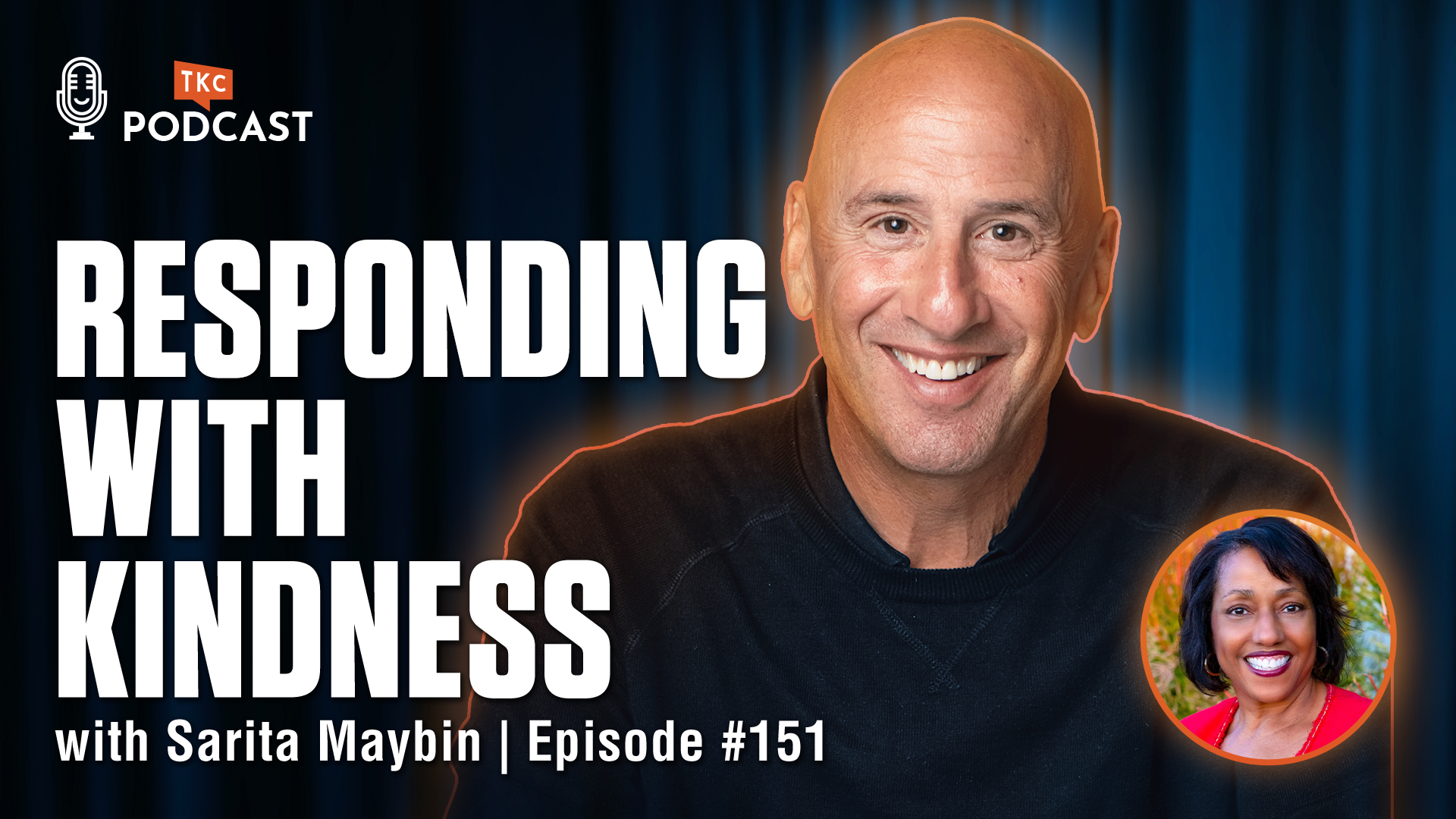
The uncomfortable truth is this: your team doesn’t have a strategy problem. Additionally, they likely don’t have a talent problem or a resource problem. What they have is a communication problem—specifically, a tone problem. And according to communication keynote speaker Sarita Maybin, that’s exactly where the biggest opportunity for transformation exists.
Sarita brings more than two decades of experience as an international speaker and communication expert to this challenge. Furthermore, her unique approach blends real-life stories with practical solutions that audiences can implement immediately. In a recent conversation, she revealed the specific phrases, mindset shifts, and tactical approaches that separate toxic communication patterns from productive ones. This isn’t about being nicer for the sake of politeness—it’s about being clearer, more effective, and ultimately more successful in every workplace interaction.
For meeting professionals and event planners, these insights matter deeply. When you bring communication experts to your stage, you’re not just filling a time slot. You’re giving your audience language tools they’ll use the very next day in emails, one-on-one conversations, and leadership meetings. Sarita’s message resonates because it addresses the gap between what we want to say and how it actually lands with others.
🎧 Watch and listen to the podcast episode: YouTube • Spotify • Apple Podcasts • Amazon Music
Here’s something most leaders get wrong: they think “please” and “thank you” are simply polite gestures from childhood. In reality, these words function as powerful leadership tools that shape organizational culture. Sarita calls this approach the Kindness Check, and it starts with recognizing that courtesy isn’t weakness—it’s strategic communication.
Consider how different these two messages feel. The first: “Send me the report by end of day.” The second: “Could you please send me the report by end of day? Thank you.” The content is identical, but the second version acknowledges the recipient as a collaborator rather than a task-completion machine. That small shift matters enormously for employee engagement and team morale.
Sarita emphasizes that digital communication magnifies this issue. When we strip away vocal tone, facial expressions, and body language, our words carry even more weight. Consequently, what might sound perfectly reasonable in person can read as harsh or demanding in an email. The Kindness Check becomes your safeguard against unintentional friction.
This isn’t about adding fluff or being overly formal. Instead, it’s about making your communication more human. Sarita points out that in high-tech times, we need high-touch relationships more than ever. When remote work and digital tools dominate our interactions, intentional courtesy becomes the bridge that maintains connection and trust.
The practical application is straightforward. Before sending that message, pause and ask yourself: does this acknowledge the person receiving it as a valued team member? Does it include basic markers of respect? If not, you’re missing an opportunity to reinforce positive corporate culture with every single interaction.
One of Sarita’s signature principles is deceptively simple: “Say what you mean, mean what you say, but don’t say it mean.” This framework addresses a challenge that plagues workplaces everywhere—the fear that being direct means being harsh. Many professionals struggle to find the balance between clarity and compassion, so they either soften their message until it loses meaning or deliver it with such bluntness that relationships suffer.
The key is understanding that clear communication and kind communication aren’t opposites. In fact, they work best together. When you’re vague or indirect to avoid discomfort, you’re actually being unkind because you’re leaving the other person confused about expectations. Similarly, when you’re brutally honest without considering impact, you damage trust and make future conversations harder.
Sarita offers a practical reframe that changes everything: instead of asking “How can I avoid conflict?” ask “How can I create clarity with care?” This subtle shift moves you from avoidance to engagement. It recognizes that difficult conversations aren’t problems to dodge—they’re opportunities to strengthen understanding and alignment.
For instance, imagine you need to address a team member’s repeated tardiness to meetings. The vague approach might sound like, “I’ve noticed you’ve been busy lately.” That’s not helpful because it doesn’t identify the actual issue. On the other hand, the harsh approach might be, “You’re always late and it’s disrespectful to everyone’s time.” That creates defensiveness and shuts down dialogue.
Sarita’s approach would sound more like this: “I’ve noticed you’ve joined our last three meetings 10-15 minutes after the start time. I’m wondering if something’s preventing you from joining on time, and I’d like to understand how we can address it.” This statement is direct about the behavior, curious rather than accusatory, and opens space for problem-solving. It demonstrates how professional development happens through honest, respectful dialogue.
The formula works because it accomplishes three things simultaneously. First, it names the specific behavior without attacking character. Second, it expresses impact or concern without blame. Third, it invites collaboration toward a solution rather than demanding immediate compliance.
When Sarita teaches communication strategies, she focuses heavily on specific phrases that change conversational dynamics. One of her most powerful tools is the “I noticed” and “I’m wondering” language swap. This approach transforms potentially confrontational moments into collaborative problem-solving sessions.
Traditional feedback often starts with “You always” or “You never”—phrases that immediately trigger defensiveness. These absolutes rarely reflect reality and they put people in a position where they feel attacked rather than supported. The natural human response is to defend, deflect, or disengage. None of those outcomes moves the situation forward.
By contrast, “I noticed” grounds your observation in specific, verifiable facts. It’s hard to argue with what someone noticed because you’re simply stating your perception. “I’m wondering” then adds curiosity instead of accusation. It signals that you don’t have all the answers and you’re genuinely interested in understanding the other person’s perspective.
Here’s how this plays out in real workplace scenarios. Instead of saying, “You never respond to client emails promptly,” try, “I noticed the Johnson account email sat in your inbox for three days, and I’m wondering if you saw it or if something prevented you from responding.” The second version creates space for dialogue rather than conflict.
This language swap is particularly valuable for meeting professionals working with vendors, venues, and diverse stakeholders. When coordinating complex events, communication breakdowns happen frequently. Nevertheless, how you address those breakdowns determines whether relationships strengthen or fracture. Using “I noticed” and “I’m wondering” maintains professionalism while solving problems efficiently.
Sarita also applies this approach to receiving feedback, which is equally important. When someone offers criticism, the instinct is often to explain, justify, or defend immediately. However, a more effective response is simply, “Can you elaborate on that?” or “Tell me more about what you observed.” This shows you’re open to understanding their perspective, and it often reveals useful information you would have missed while defending yourself.
The underlying principle is that communication isn’t just about transmitting information—it’s about creating shared understanding. When you approach conversations with genuine curiosity rather than predetermined conclusions, you open pathways to success that defensive communication closes off.
Among all the communication strategies Sarita shares, one phrase stands out for its immediate impact: “I need your help.” These four words have an almost magical ability to transform defensive interactions into collaborative ones. They work because they tap into something fundamental about human psychology—most people want to be helpful when given the chance.
Think about how different these requests feel. Version one: “You need to get this project back on track.” Version two: “I need your help getting this project back on track.” The first positions you as an authority figure, pointing out failure. The second positions you as a teammate, acknowledging a shared challenge and inviting partnership.
This phrase works in surprisingly diverse contexts. Sarita points out that it’s equally effective with colleagues, direct reports, and even at home with family members. The key is that it lowers defenses by acknowledging vulnerability and inviting contribution. When you say “I need your help,” you’re implicitly communicating several things: I don’t have all the answers, I value your input, we’re in this together, and your contribution matters.
For leaders specifically, this represents a significant mindset shift. Many assume that asking for help signals weakness or incompetence. In reality, it signals strength and emotional intelligence. It shows you’re secure enough to acknowledge what you don’t know and wise enough to leverage the collective knowledge of your team. This approach directly enhances employee engagement because people feel valued when their expertise is sought.
Consider a scenario where a team member has been resistant to a new process change. The authoritarian approach would be to insist on compliance and perhaps threaten consequences. The collaborative approach using Sarita’s framework might sound like: “I need your help understanding what concerns you have about this new process, so we can address them together.” This invitation to dialogue almost always produces better outcomes than forced compliance.
The phrase also works preventively. When starting new initiatives, projects, or change efforts, leading with “I need your help to make this successful” creates buy-in from the beginning. People who are asked to contribute to solutions are far more invested in seeing those solutions succeed than people who simply receive top-down directives.
What makes this strategy particularly valuable for event professionals is its versatility. Whether you’re negotiating with a difficult vendor, managing volunteer staff, or coordinating with venue management, “I need your help” shifts the dynamic from transactional to relational. It builds the kind of collaborative partnerships that make complex event execution smoother and more successful.
One of Sarita’s most counterintuitive strategies involves what to do when receiving criticism. The natural human response when someone offers negative feedback is to defend yourself, explain the circumstances, or minimize the concern. These reactions are understandable but they shut down communication and prevent growth. Sarita suggests doing the exact opposite: ask for more information.
When someone says your presentation missed the mark or your communication wasn’t clear, respond with genuine curiosity. “Can you elaborate on that?” or “What specifically would have made it more effective?” These questions accomplish several important things simultaneously. They show you’re open to feedback rather than defensive, they often reveal actionable insights you wouldn’t have discovered otherwise, and they demonstrate professional maturity.
This approach requires significant emotional regulation. When criticism feels unfair or poorly delivered, the impulse to defend is powerful. However, Sarita emphasizes that you can control only your response, not their delivery. By choosing curiosity over defensiveness, you maintain professionalism and often learn valuable information even from poorly articulated feedback.
Moreover, asking for elaboration sometimes reveals that the criticism is less severe than it initially seemed. People often lead with broad negative statements when they have specific, fixable concerns. By inviting them to be more specific, you might discover that what sounded like a fundamental problem is actually a minor adjustment.
This strategy also models the kind of professional development culture you want to create. When leaders respond to criticism with openness rather than defensiveness, it gives permission for everyone to be more honest and direct. It signals that feedback is valued as a tool for improvement rather than feared as a personal attack.
For meeting and event professionals who regularly receive feedback from clients, attendees, and stakeholders, this approach is particularly valuable. Events rarely go perfectly, and how you respond to criticism often matters more than the criticism itself. Clients remember and appreciate professionals who receive feedback gracefully and use it to improve future events.
The underlying skill here is separating your identity from your work. When someone critiques your event, they’re not attacking you personally—they’re offering information about their experience. That information is valuable even when it’s uncomfortable to hear. By asking for more details, you transform a potentially negative interaction into a learning opportunity that makes you better at your craft.
The way leaders speak shapes organizational culture more than any mission statement or values poster ever could. Sarita emphasizes that collaborative language creates collaborative teams, whereas authoritarian language creates compliance cultures. The difference shows up in everything from innovation capacity to employee engagement to talent retention.
Collaborative language sounds like: “What are your thoughts on this approach?” “How do you think we should handle this situation?” “I’d value your perspective on this challenge.” These questions genuinely invite input and signal that you respect team members’ expertise. In contrast, authoritarian language sounds like: “Here’s what we’re doing.” “This is how it needs to be done.” “I need you to execute this exactly as outlined.”
The distinction matters because people who feel heard and valued contribute more creatively and work more engagedly. When team members know their ideas might shape outcomes, they invest more thought and energy into problem-solving. Conversely, when they perceive their role as simply executing others’ decisions, they contribute the minimum required and save their best thinking for environments where it’s welcomed.
Sarita points out that this doesn’t mean leaders abdicate decision-making authority. Rather, it means they make better decisions by incorporating diverse perspectives before finalizing direction. The collaborative approach takes slightly more time on the front end but saves enormous time and effort on the back end because people understand and support the chosen path.
This principle applies directly to event planning and meeting management. When you involve your team in problem-solving—”The venue just changed our access time, how should we adjust our setup schedule?”—you tap into collective wisdom and create shared ownership of solutions. People who help create the plan are invested in executing it successfully.
Language choices also impact how teams handle inevitable setbacks and challenges. When problems arise, collaborative leaders say things like, “This didn’t work as expected—what can we learn from it?” rather than “Who’s responsible for this failure?” The first question creates psychological safety and encourages honest reflection. The second creates fear and incentivizes blame-shifting.
Building this kind of culture requires consistency. You can’t use collaborative language only when convenient and then revert to authoritarian communication under pressure. Teams quickly learn which mode is your default, and that becomes the cultural norm. Therefore, even in high-stress moments, maintaining collaborative language reinforces the team dynamic you want to sustain.
One of the persistent myths in professional environments is that competence means having all the answers. Sarita actively works to dismantle this myth because it prevents people from accessing the support and information they need to succeed. The reality is that asking for help is a sign of strength, self-awareness, and commitment to success.
Think about the most respected leaders you’ve encountered in your career. Chances are, they weren’t the people who pretended to know everything. They were the people who asked good questions, acknowledged their knowledge gaps, and surrounded themselves with experts who complemented their strengths. This approach doesn’t diminish their leadership—it enhances it.
For event professionals specifically, this principle is critical. Events involve countless moving pieces across multiple domains—technology, catering, logistics, speaker management, attendee experience, and more. No single person can be expert in all of these areas. Consequently, the most successful event planners are those who build strong networks and aren’t afraid to tap into specialized expertise when needed.
Asking for help also models vulnerability and creates permission for others to do the same. When leaders openly acknowledge what they don’t know and seek assistance, it signals to the entire team that asking questions and requesting support is not only acceptable but valued. This creates a learning culture where people develop skills more rapidly because they’re not wasting energy pretending to know things they don’t.
Sarita’s own journey illustrates this principle. As a “military brat” who moved frequently growing up, she learned early that adapting to new environments meant asking questions and seeking guidance. That experience of constant change taught her that requesting help isn’t weakness—it’s the fastest path to competence in unfamiliar situations.
The practical application is straightforward. When you encounter a challenge outside your expertise, instead of struggling silently or making uninformed decisions, simply reach out to someone with relevant knowledge. “I’m working on X and could use your expertise on Y—do you have 15 minutes to talk?” Most people are remarkably generous with their knowledge when asked directly and respectfully.
This approach also builds reciprocal relationships. When you ask someone for help and implement their advice successfully, you create a positive loop where they feel valued and you gain capability. These relationships become professional assets over time, creating a network of mutual support that benefits everyone involved.
Every workplace has moments of negativity—complaints about workload, frustration with processes, skepticism about new initiatives. Sarita’s approach isn’t to suppress or ignore these moments, but rather to transform them into opportunities for positive change. She believes that negativity often contains valuable information about real problems that need addressing.
The key is responding to negativity in ways that acknowledge concerns while redirecting energy toward solutions. When someone complains, “This new system is terrible and making everything harder,” the unproductive response is either defensive (“No it’s not, you just need to learn it”) or dismissive (“Just give it time”). Neither response validates the person’s experience or moves toward resolution.
Sarita’s approach would sound more like: “Tell me specifically what’s making your work harder, so we can see if there’s a way to address those issues.” This response acknowledges that their frustration might be pointing to legitimate usability problems while channeling that energy toward problem-solving rather than complaining.
This strategy works because it separates the emotional tone from the substantive content. Someone might be expressing themselves negatively, but underneath that tone, they might be identifying a real obstacle that’s affecting team productivity. By responding to the content rather than matching the tone, you can extract useful information and potentially solve genuine problems.
For meeting professionals dealing with stressed clients, overwhelmed vendors, or frustrated attendees, this skill is invaluable. Events create high-pressure environments where negativity can spread quickly if not addressed effectively. However, when you respond to complaints by seeking to understand and solve rather than defend and dismiss, you often turn critics into advocates.
The mindset shift here is seeing negativity as feedback rather than as personal attack or organizational failing. When someone expresses frustration, they’re giving you information about their experience. That information might be incomplete or emotionally charged, but it’s still valuable data about where improvements might be needed.
Sarita also emphasizes the importance of not becoming the negativity you’re trying to transform. If someone’s chronic complaining is impacting team morale, you need to address it directly rather than complaining about the complainer. Using her frameworks—”I’ve noticed that our team meetings often focus on problems rather than solutions, and I’m wondering if we could try a different approach”—you can redirect patterns without creating additional conflict.
Sarita’s communication philosophy didn’t emerge from business school theory—it came from her mother’s simple but profound advice: “If you can’t say something nice, don’t say anything at all.” As a child, Sarita heard this frequently, and as an adult professional, she realized it wasn’t about suppressing truth but about delivering it with care and intentionality.
This foundational principle evolved into her signature message about saying what you mean in a nice way. It acknowledges that many conversations in professional settings require direct, potentially uncomfortable feedback. The question isn’t whether to have those conversations—it’s how to have them in ways that strengthen rather than damage relationships.
Her mother’s wisdom also included teaching young Sarita to “play nicely” with others. At the time, it seemed like basic childhood instruction. Looking back, Sarita recognizes it as fundamental relationship guidance that applies throughout life. Playing nicely in professional contexts means treating colleagues with respect, assuming positive intent, and approaching conflicts with the goal of resolution rather than victory.
These simple lessons became the foundation for a career spent helping organizations improve their communication culture. Sarita translated childhood wisdom into practical workplace strategies, proving that the fundamentals of good communication aren’t complicated—they’re just not always easy to practice consistently under pressure.
What makes Sarita’s message particularly resonant is its accessibility. She’s not proposing complex theoretical frameworks that require extensive training to implement. Instead, she’s offering straightforward phrases, mindset shifts, and practical approaches that anyone can begin using immediately. This accessibility is exactly what makes her such a powerful speaker for diverse audiences.
Her background as a university dean of students and her master’s degree in counseling provide academic credibility, but her real power comes from translating that expertise into plain language that resonates with everyone from frontline employees to C-suite executives. She understands that effective communication isn’t about sophistication—it’s about clarity, intention, and respect.
One of Sarita’s most relevant insights for today’s workforce involves maintaining human connection in increasingly digital environments. As remote work, digital collaboration tools, and asynchronous communication become standard, the risk of miscommunication multiplies. Without vocal tone, facial expressions, and body language, our words carry the entire weight of meaning.
This reality makes intentional communication more critical than ever. You can’t rely on a smile to soften a tough message when that message arrives via email. You can’t use body language to signal openness to feedback when you’re responding to a Slack message. Consequently, the words themselves and the structure of your messages need to carry all the emotional intelligence that would normally be distributed across multiple channels.
Sarita emphasizes that high-tech times require high-touch relationships. This doesn’t mean rejecting digital tools—it means using them with greater care and supplementing them with intentional human connection whenever possible. For instance, if you need to have a difficult conversation, consider whether it should happen via video call rather than email, even if email would be faster or more convenient.
The practical application involves several specific strategies. First, read your digital messages through the recipient’s eyes before sending. What might be interpreted as curt or dismissive when they’re reading it without your voice or facial expressions? Second, use emoji, exclamation points, or friendly language deliberately to convey warmth that might otherwise be lost. Third, pick up the phone or schedule a call when you sense that written communication isn’t working.
For event professionals who coordinate with remote teams, manage virtual events, or communicate across time zones, these skills are essential. The complexity of event logistics requires clear, efficient communication, but efficiency without humanity creates friction. Finding the balance between directness and warmth in digital channels prevents small misunderstandings from becoming significant conflicts.
Sarita also addresses a common concern: doesn’t adding politeness and warmth make messages longer and less efficient? Her response is that a message is only efficient if it’s understood and acted upon as intended. A blunt message that saves 30 seconds but creates confusion, hurt feelings, or defensiveness is ultimately inefficient because it requires follow-up clarification or damage repair.
The goal is to calibrate your communication style to the medium you’re using. What works in face-to-face conversation might need adjustment for email. What works in email might need modification for text messages. Developing fluency across communication channels—knowing when to add warmth, when to seek clarification, when to switch to a richer medium—is a core professional development skill for the modern workplace.
If you’re reading this as an event professional, you might wonder why a communication strategy deserves space on your already-full plate. The answer is that communication problems are event problems. They show up as vendor conflicts, team miscommunications, client dissatisfaction, and last-minute crises that could have been prevented with clearer dialogue upfront.
Think about the typical pain points in event planning. A venue misunderstands your setup requirements, and you arrive to find the wrong configuration. A speaker isn’t clear about your expectations and delivers content that doesn’t match your event goals. A team member doesn’t communicate a problem until it becomes a crisis. Your client is unhappy with an outcome but never expressed their actual priorities clearly. All of these scenarios are communication failures.
Moreover, the events you produce often aim to create connection, inspire change, or facilitate learning for attendees. How can you create those experiences for others if your own team isn’t communicating effectively? The communication culture you model behind the scenes directly impacts the experience you deliver on stage.
This is why bringing speakers like communication keynote speaker Sarita Maybin to your events creates value far beyond the keynote hour. You’re not just giving your audience content to consume—you’re giving them language and strategies they’ll use immediately. The phrases Sarita teaches show up the next day in emails, one-on-one conversations, and leadership meetings.
Consider what makes a keynote truly valuable. It’s not entertainment alone, although engagement matters. It’s not information alone, although content matters. The most valuable keynotes are those that give people tools they can implement immediately to solve real problems. Sarita’s message hits that mark precisely because it addresses the universal challenge of saying difficult things without damaging relationships.
For organizations focused on leadership development, employee engagement, or corporate culture transformation, communication strategy isn’t a nice-to-have—it’s foundational. You can’t build high-performing teams without clear, respectful communication. You can’t create psychologically safe workplaces without teaching people how to give and receive feedback constructively. You can’t navigate organizational change successfully without helping people communicate about uncertainty and adaptation.
Event planners serve as cultural architects within their organizations. The speakers you choose, the conversations you facilitate, and the experiences you create all shape workplace culture. When you prioritize communication as a strategic focus rather than a soft skill afterthought, you multiply the impact of every event you produce.
The challenge with many keynotes is that inspiration fades once people return to daily pressures. Sarita’s message has staying power because it’s built on specific, memorable phrases that people can recall and use when needed. “Say what you mean, mean what you say, but don’t say it mean” becomes a mantra. “I need your help” becomes a go-to phrase. “I noticed” and “I’m wondering” become automatic response patterns.
To maximize impact, event planners can reinforce these messages before and after the keynote. Before Sarita speaks, brief your team on the core concepts so they’re primed to hear them. Share her books, articles, or other resources that give context. Set the expectation that this isn’t just inspirational content—it’s practical strategy they’ll be expected to implement.
After the keynote, create accountability mechanisms that keep the communication strategy front of mind. This might include team discussion sessions where people share how they’ve used Sarita’s phrases in real situations. It might involve communication reminders in team meetings: “Remember, say what you mean, but don’t say it mean.” It might mean revisiting key concepts monthly to reinforce the learning.
You can also integrate Sarita’s frameworks into existing systems. If your organization does performance reviews, incorporate evaluation of communication effectiveness using her principles. If you have onboarding processes for new team members, include training on collaborative language and the phrases that define your communication culture. If you hold regular team meetings, dedicate periodic time to discussing how communication is working and where it could improve.
The most successful culture change happens when multiple reinforcement mechanisms work together. A single keynote plants seeds, but those seeds need cultivation through ongoing attention, modeling from leadership, and systems that reward the desired behaviors. When you treat communication as a strategic priority rather than a one-time training topic, you create lasting transformation.
For event planners themselves, Sarita’s strategies offer immediate personal value. Use them in vendor negotiations, client conversations, and team management. Model them in how you give feedback, handle conflicts, and navigate the inevitable stresses of event execution. Your communication style sets the tone for everyone you work with, so making these practices habitual improves every interaction.
Organizations sometimes question whether investing in communication training delivers a measurable return. The data is clear: communication failures cost companies millions in lost productivity, employee turnover, and customer dissatisfaction. Conversely, organizations with strong communication cultures consistently outperform competitors on virtually every business metric.
Better communication reduces the time wasted clarifying misunderstandings, repairing damaged relationships, and fixing problems that stemmed from unclear expectations. It increases employee engagement by making people feel heard and valued. It improves client satisfaction by ensuring expectations are clear and concerns are addressed proactively. It enhances innovation by creating psychological safety where people share ideas without fear of harsh judgment.
For event professionals specifically, communication excellence creates a competitive advantage. Clients choose to work with planners who communicate clearly, address concerns promptly, and handle inevitable problems gracefully. Teams want to work for leaders who respect them enough to communicate with care. Vendors prefer partnering with professionals who treat them as collaborators rather than commodities.
The cost of poor communication is harder to measure but no less real. How many talented employees have left because they didn’t feel heard or valued? How many creative solutions never emerged because people didn’t feel safe sharing unconventional ideas? How many client relationships deteriorated because small communication problems snowballed into major conflicts? These costs rarely appear in financial reports, but they absolutely impact organizational success.
When you invest in communication strategy—whether by bringing speakers like Sarita Maybin to your events, implementing communication training programs, or prioritizing communication skills in hiring and promotion decisions—you’re investing in every aspect of organizational performance. Better communication isn’t separate from other business goals; it’s the foundation that makes all other goals more achievable.
The beauty of Sarita’s approach is that you don’t need organizational approval, budget allocation, or perfect conditions to start improving communication. You can begin with your very next conversation. The next time you need to give feedback, try “I noticed” and “I’m wondering” instead of your usual approach. The next time you feel defensive about criticism, ask for more information instead of explaining. The next time you need cooperation, lead with “I need your help.”
Small changes in language create ripples that spread through relationships and teams. When one person starts communicating more intentionally, others notice. They might not articulate what’s different, but they feel it in the quality of interactions. They experience less defensiveness, more collaboration, and clearer understanding. Over time, these ripples can transform entire organizational cultures.
This is particularly true when leaders model improved communication. Your team watches how you handle difficult conversations, respond to criticism, and express expectations. When they see you using collaborative language, assuming positive intent, and prioritizing clarity with kindness, it gives them permission and vocabulary to do the same.
The commitment required isn’t to perfection—it’s to intention. You won’t always get communication right. You’ll sometimes react defensively, speak more harshly than intended, or miss opportunities to be clearer. What matters is that you’re paying attention, learning from mistakes, and consistently working to improve. That growth mindset about communication creates far more positive impact than perfection ever could.
For meeting professionals and event planners specifically, this work has immediate application. Every email you send, every meeting you facilitate, every conversation you have with clients or team members is an opportunity to practice these principles. The cumulative effect of hundreds of small communication improvements transforms not just individual interactions but your entire professional presence.
As you think about the speakers and content for your next event, consider the message you want to send about what matters. Choosing to feature a communication strategy signals that your organization values clarity, collaboration, and human connection. It shows that you’re serious about building culture, not just filling time slots. And it gives your audience tools they’ll actually use, which is the ultimate measure of speaker value.
Sarita’s message resonates because it’s both profoundly simple and deeply needed. In a world where communication channels multiply but understanding often decreases, her reminder to say what we mean in nice ways cuts through complexity. It acknowledges that we can be both direct and kind, both clear and caring. And it proves that the most sophisticated communication strategy often comes down to lessons we learned in childhood but need to practice more intentionally as adults.
If your organization is ready to transform how teams communicate, how leaders lead, and how people navigate difficult conversations, let’s talk about bringing the right voice to your stage. communication keynote speaker Sarita Maybin delivers more than inspiration—she delivers language tools your audience will use the very next day.
Schedule a pressure-free 15-minute strategy conversation to discuss your event goals and audience needs.
Share your objectives at info@thekeynotecurators.com, and we’ll recommend speakers whose message fits your specific situation.

© 2026 The Keynote Curators. All Rights Reserved | Terms and Conditions
The Keynote Curators, 8275 South Eastern Avenue, Suite 200, Las Vegas, NV 89123
Local (310) 299-4595 | Toll Free (888) 585-8715 | info@thekeynotecurators.com
The Keynote Curators - Top Keynote Agency, USA.

Booking a Keynote Speaker: The Essential Checklist