- The Keynote Curators - Top Speaker Agency in North America
What’s the most valuable thing a keynote can do for your audience? It’s not about impressing a room with credentials or delivering a perfect performance. It’s about giving someone permission. Permission to speak up when they’ve been silent. Permission to lead differently than they’ve been told. Permission to stop waiting for certainty before they move forward. Permission to try the thing they’ve been circling for months, unsure if they’re ready.
After years of watching rooms change in real time, I’ve learned something crucial about how transformation actually happens: permission is contagious. One person stands up straighter after hearing the right message at the right moment, and suddenly ten others find a reason to do the same. That ripple effect is what separates a forgettable presentation from one that genuinely shifts how people show up in their work and lives.
Women’s History Month arrives in March, and I’m sharing this list of women who inspire now, not as a calendar reminder but as a strategic one. If you want March programming to mean something beyond checking a box, you need to design for the moment after the keynote ends—when someone in your audience decides whether they’ll actually act on what they heard or let it fade into background noise like every other event they’ve attended.

The definition of inspiration has evolved dramatically. It used to mean delivering a good story that earned a standing ovation. Now it means something sharper and more measurable: it gives people permission they didn’t know they were waiting for. Permission to lead when they’ve been holding back. Permission to speak when they’ve been staying quiet. Permission to try something new without waiting for perfect conditions. Permission to ask the hard questions. Permission to disagree respectfully. Permission to go first when everyone else is waiting.
This shift matters because the world your audience navigates daily is noisy, attention is fragmented across endless demands, and most teams are genuinely tired from years of constant change. The bar for meaningful impact isn’t just moving people emotionally in the moment. The bar is moving them and having that movement stick long after they leave your event. That’s the standard women keynote speakers need to meet if you want real outcomes from your investment.
The women I’m sharing here aren’t just experienced speakers. They’re voices whose work reliably creates the kind of shift that travels through an organization after the event ends. Each brings a distinct approach to giving audiences permission to change how they operate.
Leadership keynote speaker Alison Levine doesn’t motivate through hype or empty positivity. She motivates through reality, drawing from her experience as an expedition leader and mountaineer. Her leadership lessons come from environments where “the plan” meets unpredictable weather, intense pressure, and real consequences for poor decisions. She’s led teams up mountains where conditions can turn deadly in minutes, and those experiences translate directly to business environments where leaders face their own versions of uncertainty and high stakes.
What changes in the room when Alison speaks is fundamental: people stop confusing confidence with certainty. They realize you can move forward decisively even when you don’t have all the answers, because waiting for perfect information often means missing the window of opportunity entirely. This message resonates especially with women leaders who’ve been told they need to be completely certain before taking action. Alison’s work is best for audiences focused on leadership development, building resilience in changing environments, and learning to navigate complexity without pretending it’s easy or waiting until everything feels comfortable.
Energy expert keynote speaker Erin King’s work offers genuine relief because her message isn’t “do more with less” or “push harder.” Instead, she focuses on energy as the real driver of sustainable success. Her approach examines how to lead effectively, sell authentically, create consistently, and sustain peak performance without burning down the system—or yourself—in the process.
What shifts in the room during Erin’s presentations is profound: teams stop worshipping time management as the solution to everything and start managing what actually moves results, which is capacity. They begin to understand that working longer hours isn’t the answer when you’re already depleted. Erin’s expertise makes her ideal for organizations addressing sales and leadership simultaneously, cultures that recognize burnout as a real threat to sustainability, and teams that need practical frameworks for maintaining high performance over time rather than sprinting until people break.
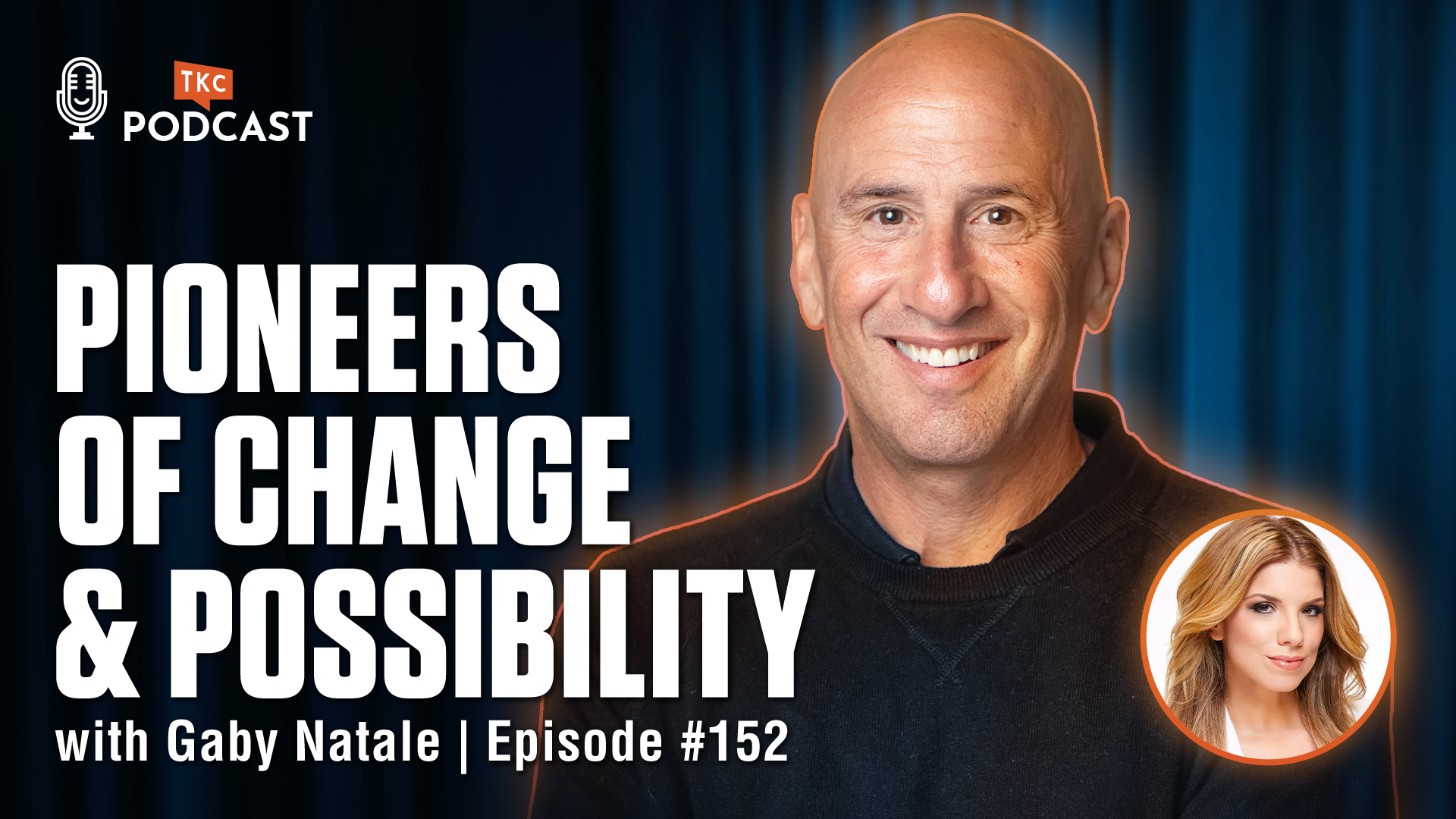
Top Latina keynote speaker Gaby Natale’s message hits differently right now because it’s centered on becoming a pioneer without waiting for permission from gatekeepers. She’s a triple Emmy-winning journalist and bestselling author who speaks directly to identity, ambition, and breaking patterns that were never designed for you in the first place. Her work acknowledges the specific challenges women face when they’re building something new in spaces that haven’t historically welcomed them.
What changes in the room when Gaby speaks is the fundamental question people ask themselves. They stop asking “Do I belong here?” and start asking “What am I building?” That shift in framing is powerful because it moves women from seeking validation to claiming agency. Gaby’s presentations are best for women’s leadership initiatives that want substance not just symbolism, entrepreneurship programs, diversity equity and inclusion efforts with teeth rather than just talking points, and transformation moments when organizations are genuinely ready for people to step into bigger versions of themselves.
If your event includes networking opportunities, sponsorship activations, member connections, or any form of community building, keynote speaker Debra Fine is not optional—she’s essential. She’s the antidote to awkward rooms where people stand around hoping someone else will start a conversation first. Debra provides practical, immediately applicable tools for conversation, connection, and dissolving the social friction that quietly blocks opportunity even in rooms full of potential.
Her work matters because so many professionals sabotage their own advancement not through lack of competence but through inability to build relationships comfortably. The skills she teaches aren’t soft or secondary—they’re fundamental to career progression, business development, and organizational cohesion. Debra’s expertise is best deployed at association conferences where connections drive value, sales kickoffs where relationship-building impacts revenue, customer conferences where engagement determines loyalty, and leadership offsites where “relationships matter” needs to be more than just a slogan on a slide.
Keynote speaker Jess Ekstrom is hopeful with structure, which is exactly what exhausted teams need right now. She’s a founder, author, and speaker who turns optimism into something actionable, especially for teams who need a genuine recommitment to possibility without anyone pretending that everything is fine when it clearly isn’t. Her approach acknowledges reality while building a credible path forward.
What makes Jess’s work valuable is that it doesn’t require people to ignore their challenges or fake enthusiasm they don’t feel. Instead, she helps audiences reconnect with why their work matters and what’s actually possible when they operate from belief rather than resignation. Her presentations are best for culture and motivation initiatives that need authenticity, teams experiencing change fatigue who are tired of being told to stay positive, emerging leaders who need frameworks for self-belief, and organizations that want inspiration and commitment that lasts past the keynote rather than fading by the next morning.
Keynote speaker Maki Mandela brings global perspective, moral clarity, and the kind of grounded leadership presence that makes a room go quiet in the best possible way. She speaks on social justice, women’s empowerment, and building a more equitable future with intention rather than just rhetoric. Her family legacy informs her perspective, but her message is forward-looking and action-oriented rather than dwelling in the past.
What distinguishes Maki’s presentations is their depth combined with accessibility. She can address complex systemic issues without making audiences feel lectured or defensive, which is a rare skill. Her work is best for global organizations operating across diverse contexts, environmental, social, and governance or impact-focused themes where credibility matters, leadership and legacy conversations that examine what we’re building for the future, and any room that wants genuine depth without performative language that sounds good but means nothing.
A few strategic moves separate programming that creates real change with women keynote speakers from programming that feels performative. These approaches work consistently across different organizational contexts and audience types.
Start with the after, not the event itself. Before you book anyone or plan anything, get specific about what should be different thirty days after your event ends. What behavior will have shifted? What belief will people hold that they didn’t hold before? How will belonging feel different? What action will people be taking that they weren’t taking previously? If you can’t answer these questions specifically, you’re not ready to design programming yet.
Choose one primary emotion you want to cultivate, and don’t say “inspired” because that’s too generic to be useful. Get precise about the feeling state that serves your goals. Do you want people to feel brave enough to speak up in meetings? Seen and valued in ways they haven’t been? Activated and ready to move on stalled initiatives? Steadier in the face of ongoing uncertainty? Bolder about pursuing opportunities? More connected to colleagues across divisions? The emotion you choose shapes everything else about how you design the experience.
Pair story with a mechanism that extends the impact beyond the keynote moment itself. The presentation alone isn’t enough. Add a follow-up prompt that keeps the conversation going. Include a workshop component where people apply concepts immediately. Create a mentoring moment that pairs learning with relationship-building. Design a pledge or commitment that isn’t cheesy but gives people a way to declare intention publicly. The mechanism is what prevents everything from evaporating as soon as people return to their regular routines.
Design the room itself for women’s voices, not just passive listening. Rethink your question and answer structure so it’s genuinely interactive rather than performative. Build in small group discussion time where everyone participates rather than only the extroverts. Put conversation-starting questions on badges so people have easy entry points for connection. Create micro-permissions throughout the experience for people to participate in ways that feel comfortable for different personality types. Women especially benefit from programming that values diverse forms of contribution rather than only rewarding those who are comfortable with public performance.
Book early for fit rather than waiting and booking for fame. March gets crowded fast as organizations scramble to book women speakers at the last minute. The best outcome for your audience is the right voice for the right moment delivering the right message, not the biggest name who happened to still have availability when you finally got budget approval. Strategic planning means thinking about March programming in January, not in February when options are already limited.
If it would be helpful, reach out and share three specific pieces of information with me. First, tell me about your audience and industry context so I understand who you’re trying to reach. Second, describe what the moment is—whether you’re planning a kickoff event, a major conference, an awards ceremony, an employee resource group gathering, a leadership summit, or something else entirely. Third, and most importantly, tell me what you want to be different after your event ends. What should change in how people think, feel, or act?
With those three elements, I can send back a few speaker recommendations that actually fit your specific situation, along with suggestions for how to frame the session so it lands with credibility and creates change that sticks beyond the applause.
Delivering impact by design,
Seth
📌 Interested in more women keynote speakers? Schedule a 15-minute conversation today.
📫 Contact us: info@thekeynotecurators.com
📝 Love this content? Subscribe to our newsletter so you don’t miss the next one.

© 2026 The Keynote Curators. All Rights Reserved | Terms and Conditions
The Keynote Curators, 8275 South Eastern Avenue, Suite 200, Las Vegas, NV 89123
Local (310) 299-4595 | Toll Free (888) 585-8715 | info@thekeynotecurators.com
The Keynote Curators - Top Keynote Agency, USA.

Booking a Keynote Speaker: The Essential Checklist