- The Keynote Curators - Top Speaker Agency in North America
I’ve watched countless events where audiences sit politely through presentation after presentation, checking their phones and waiting for the break. Then one speaker takes the stage and suddenly everyone leans forward. Phones disappear. People actually listen.
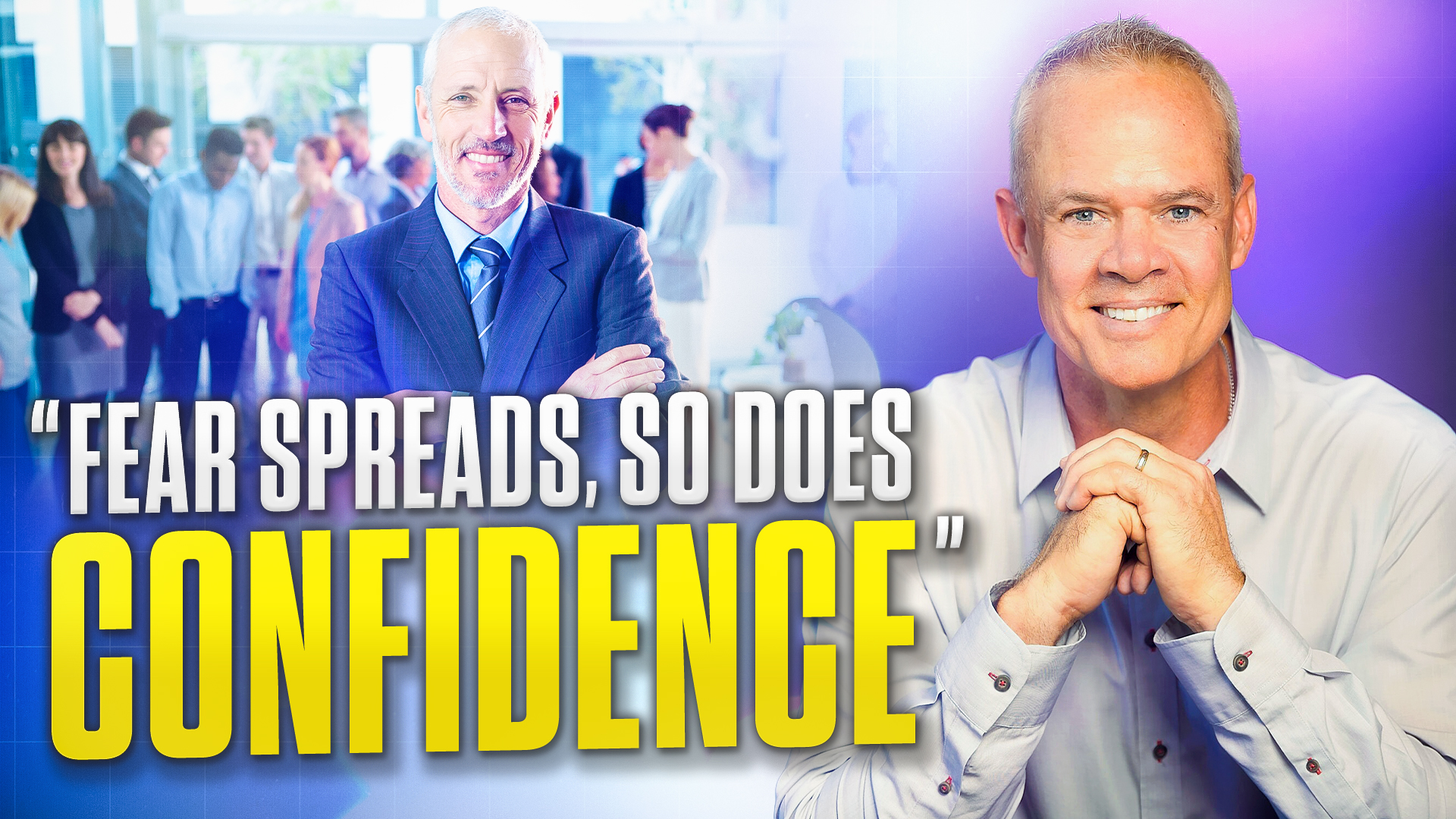
What’s the difference? It’s not credentials. It’s not production value. It’s storytelling.
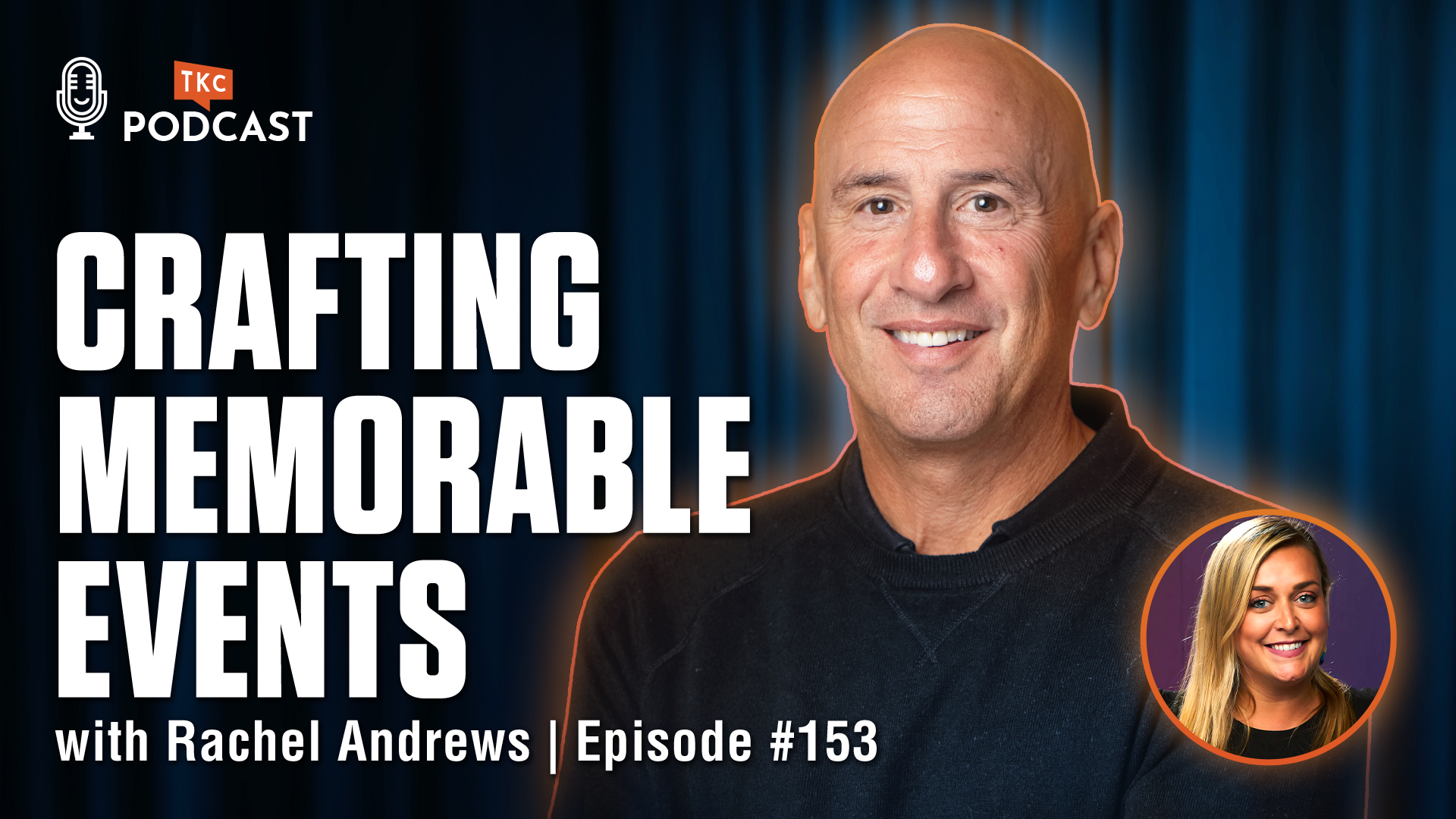
I sat down with Bruce Turkel, a corporate branding expert who’s spent decades helping companies like Discovery Networks, Bacardi, and American Express figure out how to actually connect with people. His bestselling book All About Them made Forbes’ top ten business books list for good reason. He understands something fundamental that most event planners miss: storytelling isn’t a nice-to-have skill for speakers. It’s the entire foundation of human connection.
🎥 Watch and listen to the full interview about storytelling here
Bruce opened our conversation with something that stopped me cold. “Storytelling is literally what separates us from other species,” he said. “It’s how we talk about what happened yesterday and dream about what’s possible tomorrow.”
Think about that for a second. Every major human achievement started as a story someone told. The firefighter running into a burning building is acting on a story about duty and leadership. The entrepreneur launching a startup is chasing a story about possibility. When you bring speakers to your events, you’re not just filling agenda slots. You’re creating opportunities for storytelling that can genuinely change how people think and act.
But here’s where most events go wrong. We book experts based on their credentials and hope their knowledge will somehow translate into engagement. We measure success by the density of information delivered per minute. We treat audiences like empty vessels waiting to be filled with facts.
Bruce’s approach flips that entirely. He’s built his business helping leaders understand that connection comes first, information second. When I asked him about the speakers who consistently create memorable experiences, he didn’t talk about research or slides. He talked about entertainment.
“Entertain first,” Bruce told me. “If they’re not listening, your brilliant insights don’t matter.”
This isn’t about dumbing down your content or turning serious business leadership topics into standup comedy. It’s about recognizing a simple truth: human brains are wired to tune out boring things. We can’t help it. It’s a survival mechanism.
I’ve planned events where we booked incredibly smart people who completely lost their audiences in the first five minutes. The information was valuable. The strategy insights were solid. But the delivery was so dry that nobody absorbed anything. Six months later when I followed up with attendees, they couldn’t remember a single takeaway from those sessions.
Compare that to speakers who understand storytelling. They might cover less ground, but what they do cover actually sticks. Bruce has seen this pattern across every industry and audience type. The speakers who entertain first create the conditions for real learning. They lower defenses. They build trust. They make people want to listen.
This matters more than ever because attention is the scarcest resource at any event. You’re competing with emails, texts, the person’s mental to-do list, and a thousand other distractions. Storytelling breaks through that noise in ways that facts alone never will.
Here’s where Bruce’s thinking gets really interesting for anyone planning corporate culture events or innovation conferences. Most speakers tell stories about their own lives and hope audiences will find them inspiring. Bruce does something different.
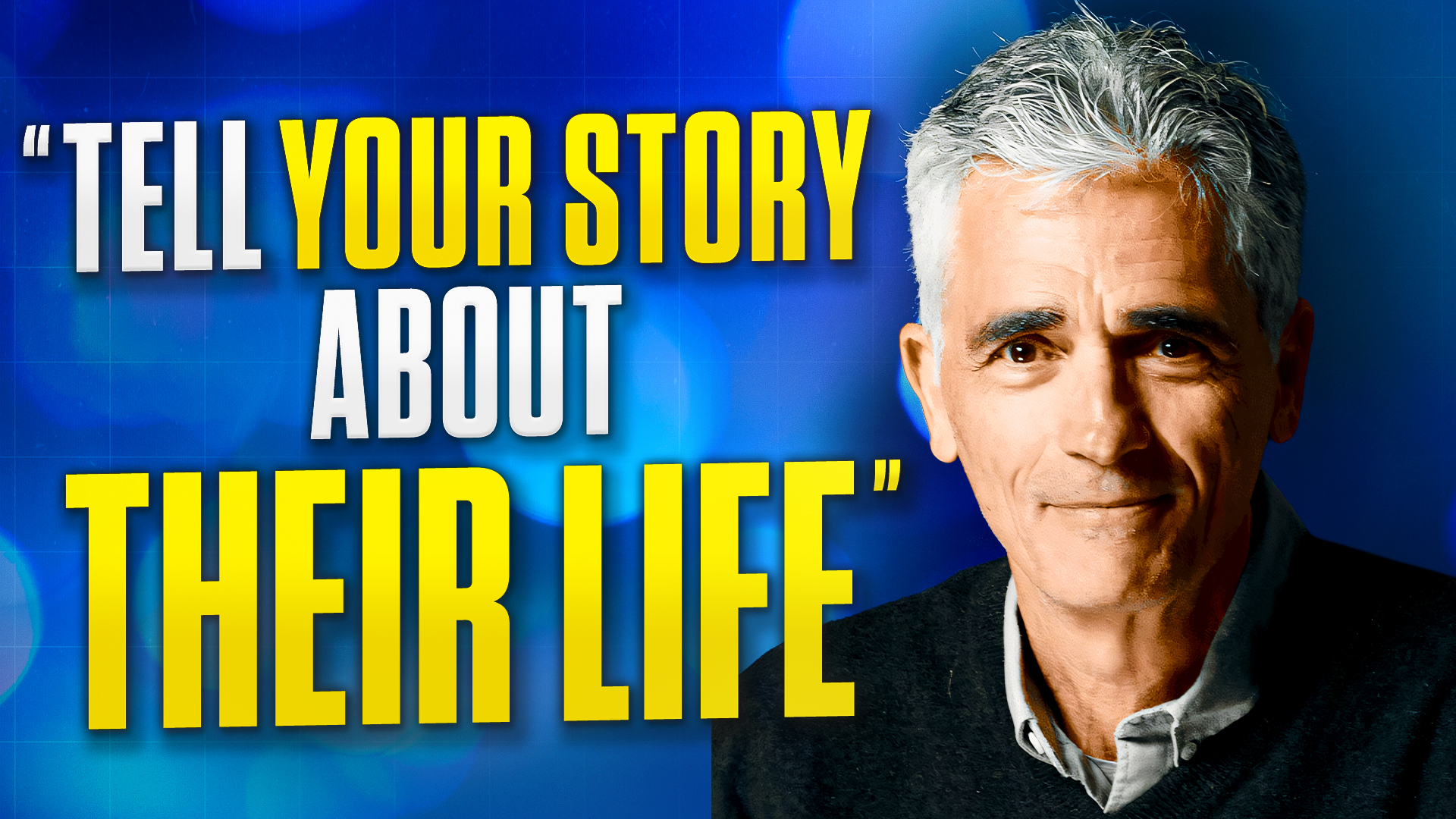
“Tell your story about their life, not yours,” he explained. “Focus on universal truths, not specific facts. We all want success, meaning, and better futures for our kids.”
This distinction transforms everything. When a speaker shares their personal journey climbing Mount Everest or building a billion-dollar company, audiences might find it interesting. But there’s distance. Most people will never climb Everest or build that kind of business growth empire. The story remains separate from their reality.
But when that same speaker talks about facing impossible odds, making decisions with incomplete information, or choosing between competing values? Suddenly every person in the room can plug in their own version of that challenge. The specific facts are different. The universal truth connects.
Bruce has spent his career helping branding and marketing teams understand this principle. Your customer experience improves when customers see themselves in your story. Your sales conversations work better when you’re talking about the prospect’s life, not your product. And your events create lasting impact when speakers give audiences a framework where they can plug in their own experiences.
I’ve tested this approach in my own events. We had a thought leadership panel where instead of asking speakers to share their credentials and accomplishments, I asked them to talk about a time they were completely wrong about something important. The energy in the room shifted immediately. People leaned in. They shared their own stories during the break. Six months later, attendees were still referencing insights from that panel.
“The facts of our lives are different,” Bruce said. “Where we grew up, what we were taught, all of that. But the truths of our lives are universal. We all want to have meaning in our life.”
This is the heart of effective storytelling for events. You’re not looking for speakers who can recite the most data or share the most unique experiences. You’re looking for people who can articulate universal truths in ways that help your audience understand their own lives better.
I work with event planners who get stuck in the specifics. They want a speaker who works in their exact industry, who has solved their precise problem, who comes from their particular geographic market. These details can matter, but they’re not what creates connection.
Corporate branding expert Bruce Turkel has worked with companies across wildly different industries because he focuses on those universal truths. A hotel chain and a software company face different operational challenges, but they both need to understand how people make decisions, what builds trust, and why some messages stick while others disappear.
When you’re selecting speakers for your next event, ask yourself: What universal truth does this person help audiences understand? How do they make complex ideas feel relevant to everyday life? Can they give people language for things they already feel but couldn’t quite articulate?
The speakers who excel at storytelling don’t just inform. They give audiences new frameworks for thinking about their own challenges. They create those moments where someone thinks “that’s exactly how I feel” and suddenly feels less alone, more capable, more ready to act.
Bruce’s newest book Is That All There Is? explores questions that emerged after he sold Turkel Brands, the global consultancy he founded. What happens when you achieve the goals you’ve been chasing? How do you find meaning beyond traditional markers of success? These questions matter deeply for anyone focused on corporate culture and employee engagement.
Storytelling shapes culture in ways that policies and mission statements never will. The stories leaders tell about why decisions get made, how conflicts get resolved, and what the organization actually values become the real culture. People repeat those stories. New employees learn them. They create shared understanding of how we do things here.
I’ve seen companies invest heavily in culture initiatives that fail because they’re built on slides and bullet points instead of stories. You can’t PowerPoint your way into a strong culture. But you can tell stories that help people understand what your organization stands for and why it matters.
When you bring speakers to your events who understand storytelling, you’re not just filling time on an agenda. You’re giving your team shared language and frameworks. You’re creating stories they’ll retell. You’re building the narratives that shape how people think about their work.
The speakers who nail storytelling aren’t necessarily the most credentialed or the flashiest. They understand that when someone hears your story and thinks “that’s exactly how I feel,” you’ve created a real connection.
I’ve booked speakers with impressive resumes who bombed because they couldn’t translate expertise into storytelling. I’ve also seen relative unknowns create standing ovations because they understood how to make audiences feel seen and understood.
Bruce Turkel appears regularly on Fox Business, CNN International, and CCTV, helping viewers understand branding issues that affect their lives. He’s successful in those formats because he doesn’t lecture. He tells stories that help people understand complex topics through the lens of their own experience.
This skill matters even more in person. When someone sits in your event for hours or days, they’re not just processing information. They’re deciding whether to care, whether to engage, whether this experience is worth their limited attention and energy.
Speakers who master storytelling make that decision easy. They create experiences people actually remember, not because of flashy production or clever gimmicks, but because they tap into something fundamentally human. They remind us that we’re not alone in our challenges, our doubts, our hopes for something better.
If you’re planning events, this changes how you evaluate every potential speaker. Stop leading with “What’s their topic?” Start asking “How do they help audiences see themselves differently?”
Look for speakers who’ve demonstrated storytelling ability across different contexts. Bruce’s work spans from Fortune 500 boardrooms to industry conferences to television appearances. That versatility signals someone who understands how to adapt their storytelling to different audiences and formats.
Ask potential speakers about their process. How do they think about audience connection? What stories do they tell and why? How do they measure success beyond applause or ratings? The answers reveal whether someone truly understands storytelling or just has interesting anecdotes.
Watch recordings of their previous talks. Pay attention to audience reactions. Do people lean in? Do they nod in recognition? Do they seem to be connecting the speaker’s ideas to their own lives? Or do they sit politely, waiting for it to end?
The investment in finding speakers who understand storytelling pays off in ways that are hard to quantify but impossible to miss. People talk about those sessions months later. They apply insights to their work. They ask for similar speakers at future events. The storytelling creates ripples that extend far beyond the original presentation.
I’ve planned hundreds of events and here’s what I know for certain: the ones people remember all had great storytelling. Not necessarily the biggest budgets. Not always the most famous speakers. But always compelling stories that helped audiences understand themselves and their work differently.
Bruce’s creativity and insight into human connection come from decades of helping organizations build brands that actually resonate. When you strip away all the jargon and complexity, branding is just storytelling that helps people understand why something matters to them specifically.
Your events are the same. Every session, every speaker, every moment is an opportunity for storytelling that creates connection and drives real change. Or it’s an opportunity wasted on forgettable information dumps that people will scroll through on their phones while pretending to pay attention.
The choice is yours. You can keep booking speakers based on credentials and hoping for the best. Or you can prioritize storytelling and create events that people actually talk about, remember, and apply to their lives.
“Tell your story about their life. So when they hear your story, they sub out the facts,” Bruce told me. That simple idea contains everything you need to know about creating events that matter.
The next time you’re building an agenda, ask yourself: Are these speakers telling stories about their lives or about the audience’s lives? Are they sharing universal truths or just specific facts? Are they entertaining first or jumping straight to information?
Those questions will lead you to speakers who understand that storytelling isn’t a presentation technique. It’s how humans connect, learn, and ultimately change. And that’s what great events are really about.
🎬 Watch the full conversation with corporate branding expert Bruce Turkel about storytelling and event strategy
📅 Ready to discuss storytelling strategy for your next event? Let’s talk about speakers who can create the connections you’re looking for
✉️ Questions about booking storytelling experts for your conference? Reach out at info@thekeynotecurators.com

© 2026 The Keynote Curators. All Rights Reserved | Terms and Conditions
The Keynote Curators, 8275 South Eastern Avenue, Suite 200, Las Vegas, NV 89123
Local (310) 299-4595 | Toll Free (888) 585-8715 | info@thekeynotecurators.com
The Keynote Curators - Top Keynote Agency, USA.

Booking a Keynote Speaker: The Essential Checklist