- The Keynote Curators - Top Speaker Agency in North America
What if the leadership strategy your organization spent months perfecting is missing the one thing that actually moves performance forward?
Most leadership frameworks worship the strategy deck. They live and die by alignment meetings, cascading communications, and perfectly designed org charts. But I’ve learned something critical through years of working with leaders and event planners: your people don’t execute strategy because it’s elegant. They execute it because they feel something when they work for you.
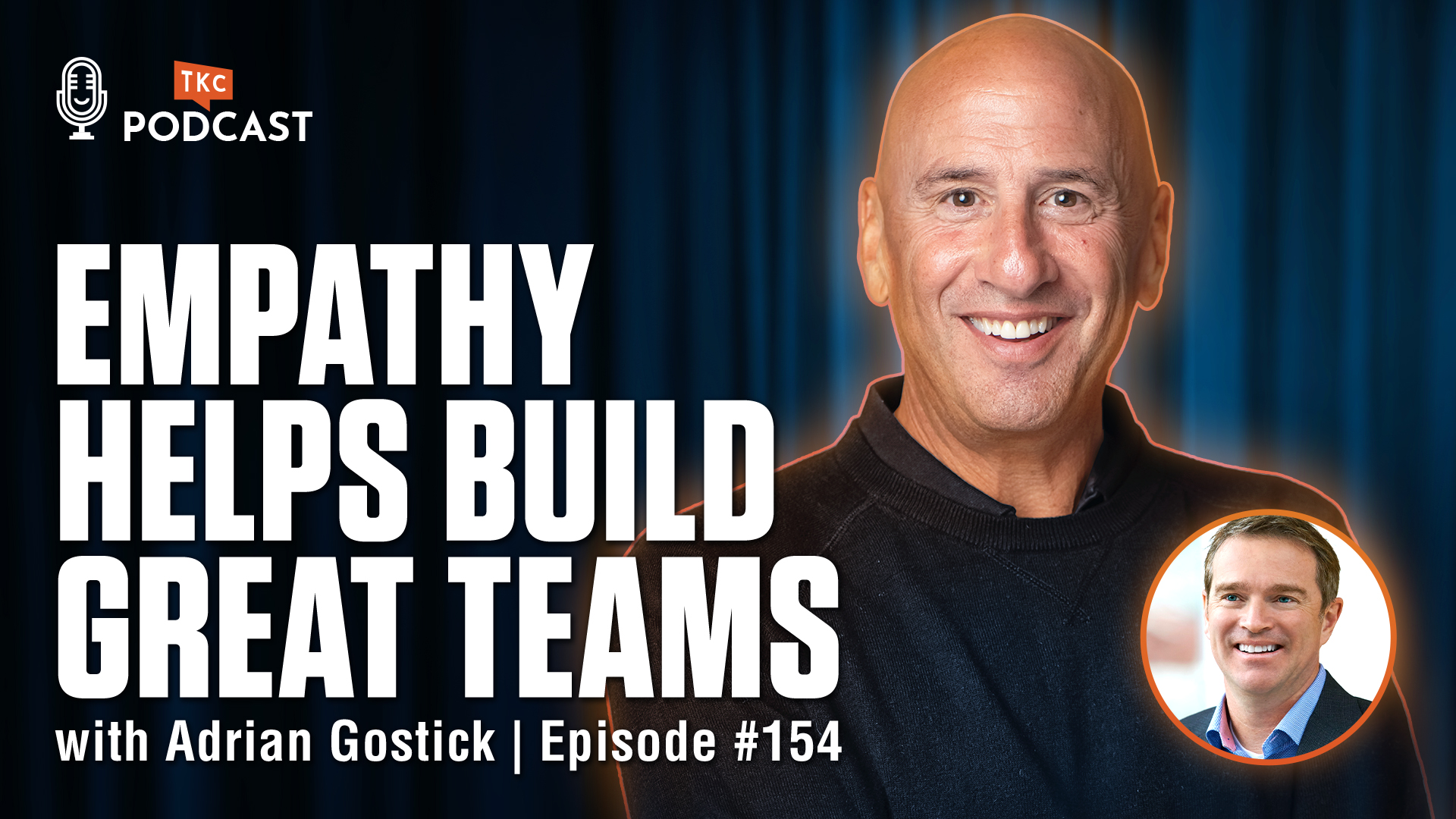
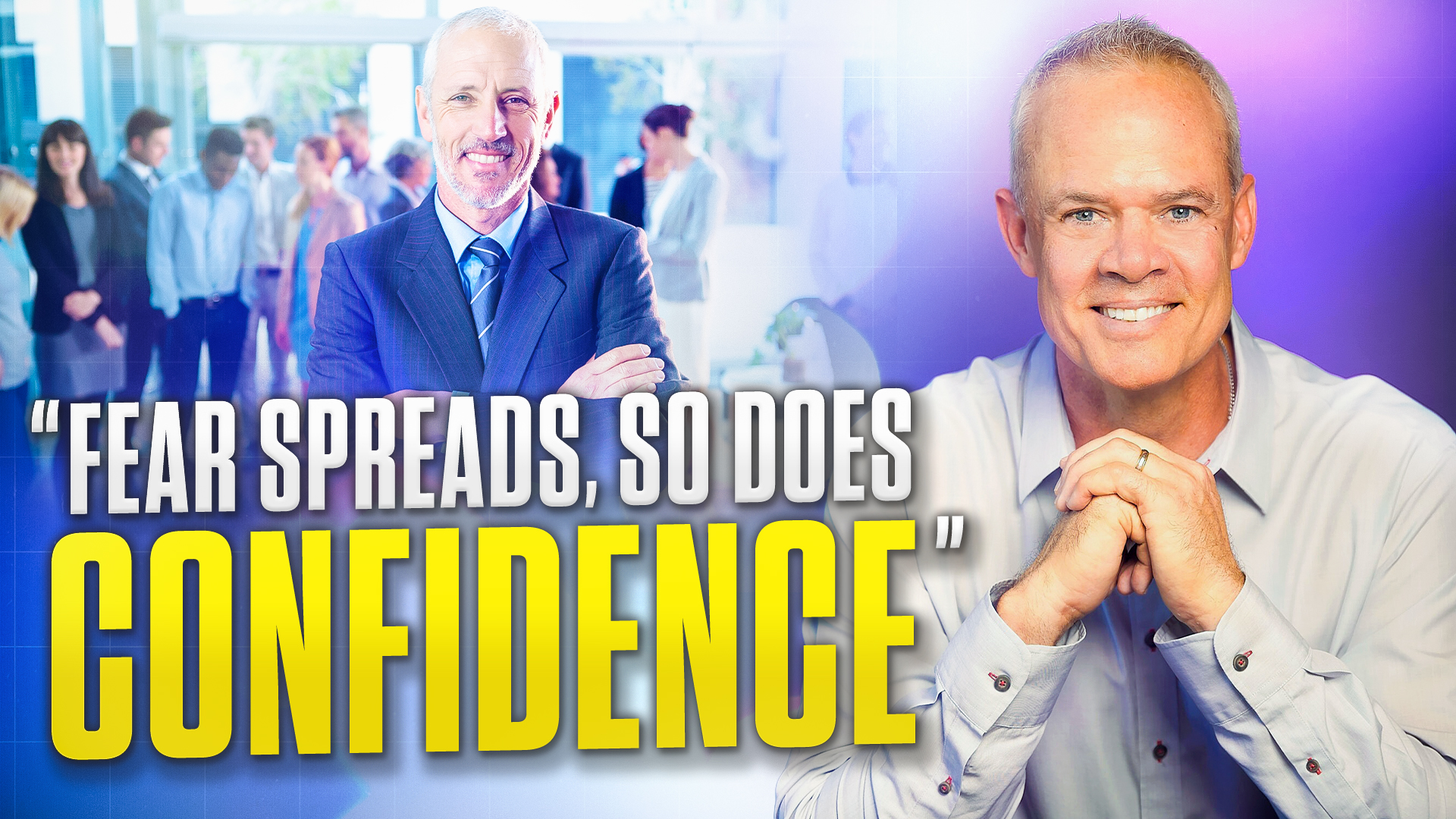
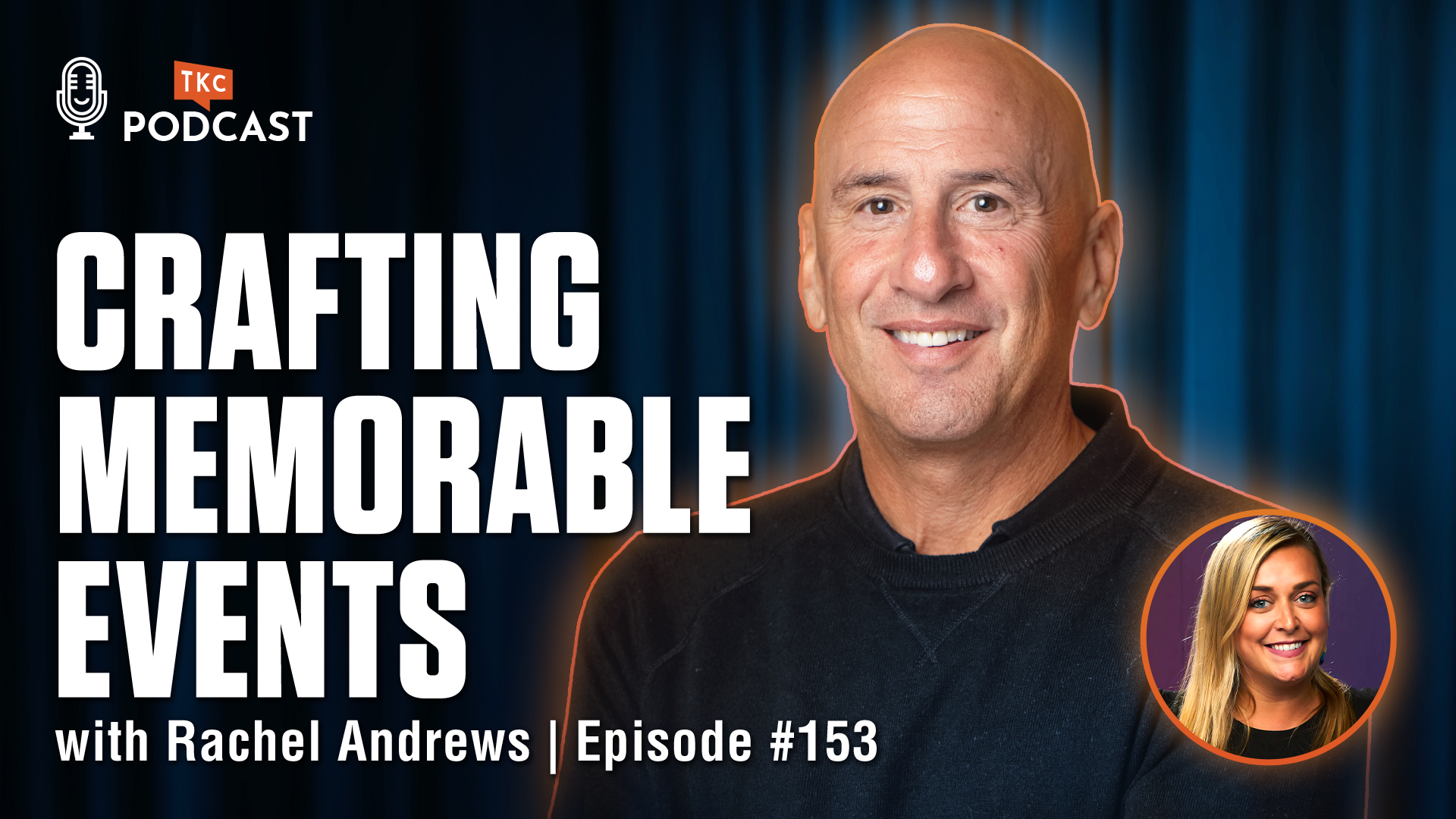
I sat down with bestselling author and leadership + culture expert Adrian Gostick to talk about what really drives performance in 2026. We didn’t talk about quarterly planning cycles or dashboards. We talked about culture, empathy, recognition, and how leaders can build teams that are engaged, energized, and clear on the purpose of their work. This conversation is for anyone who knows that great leadership starts with how people feel, not just what they’re told to do.
🎧 Watch and listen to the podcast episode: YouTube • Spotify • Apple Podcasts • Amazon Music
I’ve seen this pattern play out at conferences, town halls, and leadership off-sites for years. A CEO unveils a brilliant strategy. The deck is beautiful. The narrative is tight. Everyone nods. Then nothing happens.
Adrian and I talked about why. The truth is, your business leadership plan only works if people feel enabled, energized, and clear on where you’re going. Not just aligned on paper. Not just briefed in a slide deck. They need to feel it.
That feeling comes from corporate culture, not from communications plans. It comes from how leaders show up every day, how they respond to failure, and whether people believe their work matters. I’ve watched event teams bring in speaker after speaker to “motivate” employees, but motivation without enablement is just noise. People need to know they have permission to act, resources to execute, and leaders who trust them to make decisions.
Adrian reminded me that the best leaders don’t just communicate strategy. They create an environment where people want to execute it. They use their leadership capabilities strip away the fear, the confusion, and the red tape that keep people stuck. They give their teams clarity, autonomy, and a reason to care. That’s when strategy becomes real.
We spent a lot of time talking about empathy. Not the HR poster version of empathy. The kind that actually shows up in how you lead.
Adrian pointed out something I’ve been seeing more and more in my work with event planners and leadership teams: empathy and compassion are now top of the leadership stack. They’re not soft skills anymore. They’re power skills. In 2026, the leaders who win are the ones who understand that their people are dealing with anxiety, uncertainty, and overload—and they respond with clarity, not just cheerleading.
I asked Adrian what that empathetic leadership looks like in practice. He talked about simple check-ins. Real ones. Not the “how are you?” on the way to the next meeting, but the kind where you stop, ask, and actually listen. He talked about clearer vision-setting, because when people are anxious, they need to know where they’re going. Vague goals don’t calm people down. Specific direction does.
Employee engagement doesn’t come from perks or pizza parties. It comes from leaders who see their people as whole humans, not just resources. I’ve seen this play out at conferences where the most impactful sessions aren’t the ones with the flashiest speakers. They’re the ones where someone on stage says something real, something that makes the audience feel understood.
Adrian and I both agree: if you want your team to stay engaged, start by showing them you understand what they’re dealing with. Empathy is the bridge between leadership and execution.
One of the most actionable parts of our conversation was about recognition. Not the annual award ceremony kind. The kind that actually changes behavior.
Leadership expert Adrian has spent years researching what makes recognition work. His conclusion? Weekly, specific praise tied to values makes people feel seen—and it makes them repeat the right actions. It’s not about saying “nice job.” It’s about saying, “I saw you do this specific thing, and here’s why it mattered.”
I’ve seen this principle work at events. When a planner takes the time to recognize a team member for how they handled a last-minute venue change, and they connect that action to the team’s value of adaptability, something shifts. That person doesn’t just feel appreciated. They understand what success looks like, and they’re more likely to do it again.
Adrian emphasized that recognition needs to be frequent and tied to behavior, not just outcomes. You can’t wait for someone to hit a massive goal to tell them they’re doing great work. You need to catch them doing the right thing and name it. That’s how you build a culture where people know what matters.
I asked him about the difference between recognition and feedback. He said feedback is about correction. Recognition is about reinforcement. Both are necessary, but most leaders over-index on feedback and under-invest in recognition. If you want to drive business growth, recognize the behaviors that fuel it.
Adrian used a metaphor about leadership that I loved: lead like a sculptor. Your job isn’t to add more. It’s to remove what’s in the way.
Most leaders think their job is to provide direction, set goals, and motivate people. But Adrian’s research shows that the best leaders focus on removing obstacles. They strip away fear, confusion, and red tape so people can take smart risks, fail fast, and fix fast.
I’ve seen this in action at conferences. The best event planners don’t micromanage every detail; their greatest leadership traits appear when they create frameworks, set expectations, and then get out of the way. They trust their teams to execute. And when something goes wrong, they don’t punish failure. They help people learn from it and move forward.
Adrian talked about how fear is one of the biggest blockers to innovation. If your team is afraid to try new things, you’re not going to get new results. Leaders need to foster psychological safety, meaning people should feel they won’t be punished for smart risks that don’t work out.
I asked him how leaders can tell if they’re removing obstacles or adding to them. He said to listen. If your team is asking for permission more than they’re taking action, you’re in the way. If they’re spending more time managing up than executing, you’re in the way. The best leaders make it easier for people to do great work, not harder.
We also talked about purpose. Adrian explained that purpose works on two levels: team and personal. At the team level, people need to understand why their work matters. What problem are we solving? Who benefits? How does this connect to something bigger? At the personal level, people need to know how their work fits into their own growth and values.
I’ve seen this play out in event planning. When a team understands that their conference isn’t just logistics, but a platform for thought leadership and connection that changes careers, they show up differently. They care more. They take ownership. They feel like they’re part of something that matters.
Adrian said that in times of anxiety and uncertainty, purpose becomes an anxiety filter. It helps people decide what to say yes to and what to let go. When you’re clear on your purpose, you’re less reactive to every new priority that comes your way. You can evaluate opportunities against what matters most.
I asked him how leaders can help their teams find that clarity. He said start by asking better questions. Not “what do you want to do?” but “what kind of impact do you want to have?” Not “what’s your five-year plan?” but “what do you want to be known for?” Those leadership questions help people connect their work to something deeper, and that connection is what keeps them engaged.
One of the most practical takeaways from our conversation was about meeting design. I work with event planners every day, so this hit home.
Adrian talked about how meetings—and by extension, conferences—are micro-cultures. They’re not just logistical events. They’re opportunities to demonstrate your values in real time. If you say your organization values change and innovation, but your agenda is packed with back-to-back PowerPoints and no time for discussion, you’re sending a different message.
I’ve seen conferences that are living examples of their organization’s values. They use themes that connect to the mission. They feature stories from employees who embody the culture. They build in time for connection, not just content. They design every session, every break, and every interaction to reinforce what the organization stands for.
Adrian emphasized that this leadership step requires real prep. You can’t just slap a theme on a banner and call it culture. You need to think about how every element of the event supports the message you’re trying to send. That means choosing speakers who embody your values, designing sessions that invite participation, and creating moments where people can see the culture in action.
I asked him about the role of storytelling in meeting design. He said stories are how culture becomes tangible. People don’t remember data. They remember moments. They remember the story about the team that failed, learned, and came back stronger. They remember the leader who admitted they didn’t have all the answers and asked for help. Those stories are what make your values real.
If you’re planning a conference or leadership event, think about how you can use every element of the design to demonstrate what you believe. That’s how you turn a meeting into a movement.
Adrian and I dug deeper into recognition, and he shared something that I think every leader should implement: recognition rituals.
These aren’t one-off moments. They’re predictable, repeatable practices that make recognition part of the rhythm of your team. Maybe it’s a weekly huddle where you start by highlighting someone who lived the values. Maybe it’s a Slack channel where people shout out wins in real time. Maybe it’s a monthly all-hands where leaders share stories of impact.
The leadership key is consistency. When recognition becomes a ritual, it stops feeling performative and starts feeling like how you do business. People expect it. They look for opportunities to recognize others. They know what to celebrate.
I’ve seen this work at conferences when planners build recognition into the agenda. They feature customer success stories. They spotlight team members who went above and beyond. They create moments where people can see the impact of their work reflected back at them. Those moments build connection, and connection drives productivity.
Adrian said the best recognition rituals are the ones that feel authentic to your culture. Don’t copy what another company does just because it worked for them. Figure out what resonates with your team and build from there. The ritual should feel like you, not like a corporate program.
We circled back to anxiety several times in our conversation, and Adrian kept coming back to one solution that also helps to drive business leadership: clarity.
When people are anxious, they need to know where they’re going. Vague goals don’t help. Inspirational quotes don’t help. What helps is clear, specific direction that gives people a sense of control over their work.
Adrian talked about how the best leaders provide clarity at multiple levels. They’re clear about the big picture: where the organization is going, why it matters, and what success looks like. They’re also clear about the immediate next steps: what needs to happen this week, this month, this quarter. That combination of long-term vision and short-term focus is what keeps teams grounded.
I’ve seen this leadership trait in action at events. When a planner lays out a clear vision for what the conference needs to accomplish and breaks it down into specific deliverables, the team feels confident. They know what’s expected. They know how to prioritize. They’re not guessing.
Adrian also emphasized that clarity isn’t just about what to do. It’s about what not to do. When you’re clear about your priorities, you’re also making it easier for people to say no to things that don’t align. That clarity is liberating. It reduces decision fatigue and helps people focus their energy on what matters most.
If you’re leading a team through uncertainty, the best thing you can do is get clear. Clear on your vision, clear on your values, and clear on your expectations. That clarity will do more for morale and execution than any motivational speech.
Adrian shared something that stopped me in my tracks: empathy in action means listening more and talking less.
Most leaders think their job is to have the answers. To be the smartest person in the room. To solve every problem. But Adrian’s research shows that the leaders who build the most engaged teams are the ones who ask better questions and actually listen to the answers.
He talked about how listening creates safety. When people feel heard, they’re more willing to share what’s really going on. They’re more likely to bring up problems before they become crises. They’re more open to feedback because they know you’re not just waiting for your turn to talk.
I asked Adrian how leaders can get better at listening. He said start by getting curious. Instead of jumping to solutions, ask follow-up questions. Instead of defending your position, try to understand theirs. Instead of assuming you know what someone needs, ask them.
This is especially important in the future of work, where teams are more distributed, more diverse, and more complex than ever. You can’t lead by assumption anymore. You have to lead by understanding. And understanding starts with listening.
Adrian also pointed out that listening is a skill you can practice. It’s not about being naturally empathetic. It’s about choosing to focus on the other person, setting aside your own agenda, and being present. That’s a choice any leader can make.
Adrian and I wrapped up our conversation by talking about how purpose-driven teams perform differently.
When people are clear on their purpose, they make better decisions. They don’t need to escalate every choice to leadership because they have a filter. They can ask themselves, “Does this align with our purpose?” and move forward with confidence.
I’ve seen this in event planning all the time. When a team knows their conference is about creating connection and sparking new ideas, they can make decisions about everything from session design to catering with that filter in mind. They don’t need to check every detail with leadership because they know what matters most.
Adrian said purpose also drives retention. People don’t leave jobs because they’re hard. They leave because the work feels meaningless. When you help people see the impact of their work and connect it to something bigger, they stay. They invest. They bring their best selves to the table.
He also talked about how purpose is a renewable resource. Unlike motivation, which fades, purpose can sustain people over the long haul. That’s why the best leaders don’t just set goals. They help people understand why those goals matter and how achieving them will create impact.
If you’re building a team or planning a professional development event, make purpose part of the foundation. Help people see the why, not just the what. That clarity will carry them through the hard days and keep them engaged for the long run.
I walked away from this conversation with leadership keynote speaker Adrian Gostick with a deeper understanding of what makes teams truly engaged. It’s not about perks or programs. It’s about culture, empathy, recognition, and purpose. It’s about leaders who care enough to listen, clear enough to guide, and brave enough to get out of the way.
If you’re planning a leadership event and you want a speaker who delivers real insights backed by research and wrapped in practical advice, Adrian is the kind of voice your audience needs to hear. He doesn’t just inspire. He equips. He gives leaders the tools to build cultures where people feel valued, energized, and clear on what they’re working toward.
📩 Hire leadership keynote speaker Adrian Gostick to speak at your next event by reaching out to us at info@thekeynotecurators.com
📲 Explore more impactful keynote speakers for your next business, strategy, or culture-focused agenda at thekeynotecurators.com
📞 Schedule a 15-minute conversation so we can discuss the best speaker fit for your next event at

© 2026 The Keynote Curators. All Rights Reserved | Terms and Conditions
The Keynote Curators, 8275 South Eastern Avenue, Suite 200, Las Vegas, NV 89123
Local (310) 299-4595 | Toll Free (888) 585-8715 | info@thekeynotecurators.com
The Keynote Curators - Top Keynote Agency, USA.
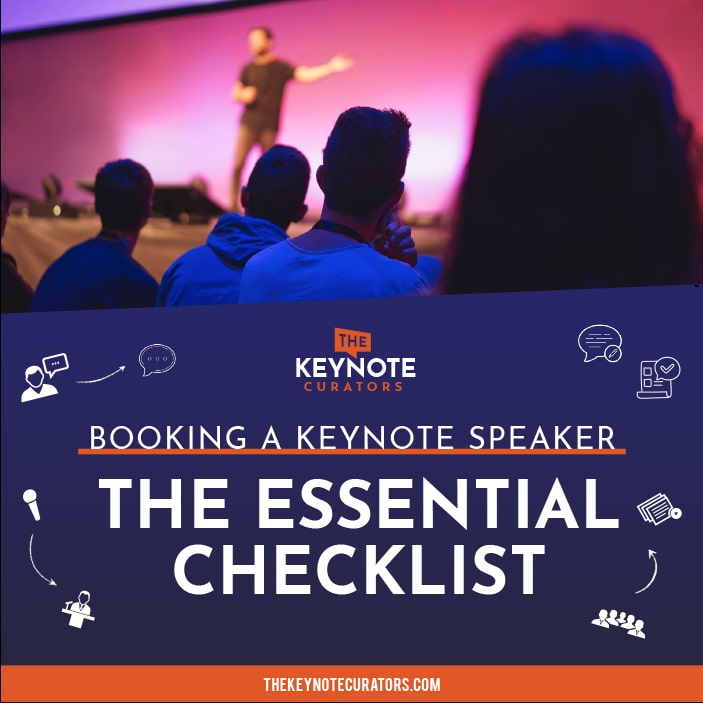
Booking a Keynote Speaker: The Essential Checklist