
February 17, 2026Champion Mindset Starts Where Talent Ends and Work Begins
What if the champion mindset you're chasing has nothing to do with talent? You can hire the best sleep coach, the best nutritionist, and the best trainers. But what makes you want them in the...
What if the champion mindset you’re chasing has nothing to do with talent?
You can hire the best sleep coach, the best nutritionist, and the best trainers. But what makes you want them in the first place? That’s where mindset separates champions from everyone else.
I sat down with Ross Bernstein, an award-winning peak performance speaker and best-selling author of nearly 50 sports books. He’s spent 25 years in dugouts, clubhouses, and locker rooms interviewing thousands of professional athletes across all major sports. His work has been featured on CNN, ESPN, Bloomberg, Fox News, CBS This Morning, and in the Wall Street Journal, New York Times, and USA Today.
What Ross discovered in those thousands of conversations completely changed how I think about elite performance in business. The champion mindset isn’t about being the most talented person in the room. It’s about what you do when nobody’s watching.
🏆 Watch and listen to the full interview about having the mindset of a champion here
Why Tom Brady Was the 199th Draft Pick and Still Became the Greatest
Tom Brady was the 199th draft pick. Karl Mecklenburg was drafted so late that the round doesn’t exist anymore. Mario Andretti drove go-karts in mud during the off-season just to stay sharp, even when his team told him to stop.
These athletes weren’t the fastest or strongest. They weren’t the ones with the most obvious natural gifts. But they had something deeper that Ross has observed across every champion he’s studied over 25 years: pure love for the game.
“It’s passion,” Ross told me. “They just love it, right? It’s every little kid in the backyard drawing up plays in the dirt. That’s what Tom Brady loved the most. It’s what we call structured unstructured practice. When there are no coaches, no fans, it’s just when the guys can just hang out and draw plays up on the sand, and you just, it’s for the love of the game.”
This concept of structured unstructured practice reveals everything about the champion mindset. It’s practicing when no one is watching. It’s drawing up plays in the dirt like kids in a backyard. It’s doing the work because you genuinely love it, not because someone is making you or because there’s an immediate reward.
I’ve seen this pattern in business leadership too. The executives who rise to the top aren’t always the ones with the best pedigree or the most natural charisma. They’re the ones who stay late working on presentations nobody asked for. They’re the ones reading industry research on weekends because they’re genuinely curious. They’re the ones practicing difficult conversations in their head while driving home.
That’s the champion mindset in action. Not talent. Not even discipline in the traditional sense. Just genuine passion that drives voluntary effort nobody else sees.
How the 90-10 Rule Explains Every Champion You’ve Ever Seen
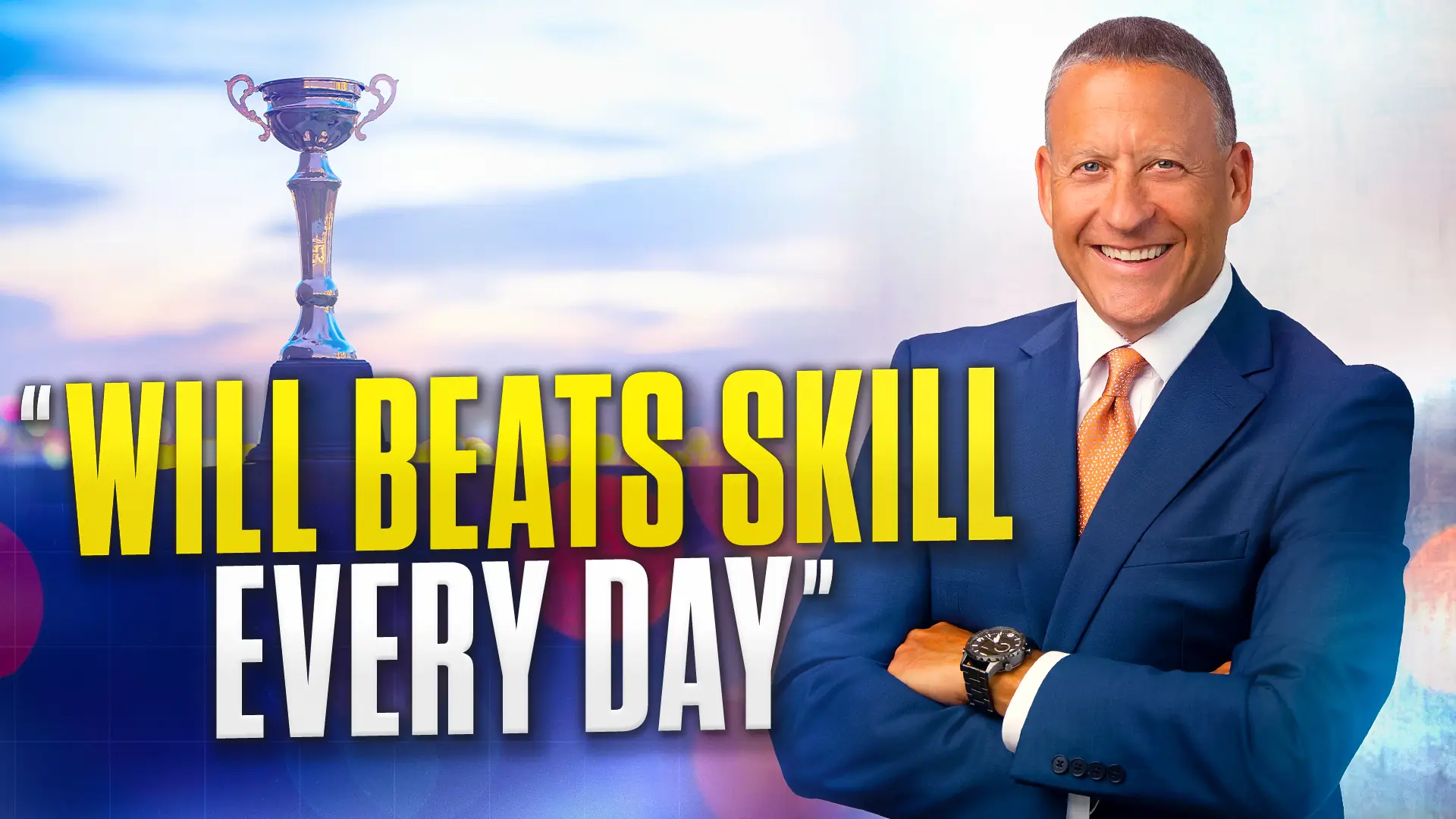
“I think it’s the 90-10 rule,” Ross explained. “I think that there’s 10% are freaks. 10% are LeBron James, Patrick Mahomes, the God-given ability. You can’t teach a guy to be seven feet tall. But the other 90%, they just work a lot harder. Will beats skill every day of the week. And I think it’s the same in business.”
This changes everything about how you build teams and develop talent. Only 10% of top performers are natural freaks with God-given talent. The other 90% simply outwork everyone else.
Think about your own organization. You probably have a few people who seem to have natural gifts. They pick things up quickly. They make difficult tasks look easy. They’re the 10%.
But if you look closely at your consistent top performers, most of them probably aren’t in that naturally gifted category. They’re the ones who make more calls. They’re the ones who volunteer for difficult projects. They’re the ones who actually read the materials instead of skimming. They’re the ones building real relationships instead of just collecting contacts.
Ross Bernstein has keynoted conferences on all seven continents for audiences as small as 10 and as large as 10,000. His program “The Champion’s Code: Building Relationships Through Life Lessons of Integrity and Accountability from the Sports World to the Business World” illustrates exactly what it takes to become the best of the best.
What he’s learned from studying championship teams translates directly to business success. The DNA of what makes champions in sports is identical to what drives elite performance in sales, leadership, and any competitive field.
Why Passion Drives Action When Talent Runs Out
The champion mindset Ross describes isn’t about pushing through misery or grinding your way to burnout. It’s about finding genuine love for the work that makes the grinding feel less like suffering and more like purpose.
Mario Andretti kept driving go-karts in mud during the off-season even when his team told him to stop. That’s not discipline. That’s passion. He couldn’t help himself. The love for racing was so deep that he needed to stay connected to it even in the worst conditions.
I’ve worked with sales teams where the top performers exhibit this exact quality. They’re not making extra calls because their manager is tracking activity. They’re making those calls because they genuinely love the puzzle of figuring out what makes customers tick. They read about their industry for fun. They practice pitches in the shower. They can’t turn it off because they don’t want to.
This kind of passion can’t be manufactured through incentives or motivation programs. You can’t force someone to love something. But you can hire for it. You can protect it when you find it. You can create cultures where passion is celebrated instead of exploited.
Ross has spent 25 years with unique behind-the-scenes access to all the local sports franchises in Minnesota, including the Vikings, Twins, Timberwolves, Wild, and Gophers. He’s watched thousands of athletes up close. The ones with championship DNA aren’t necessarily the most talented. They’re the ones who genuinely love what they do so much that the extra work doesn’t feel like work.
Where Love for the Craft Creates Voluntary Practice Nobody Sees
Structured, unstructured practice is where champions are born. It’s the work you do when there are no coaches watching, no fans cheering, no immediate rewards on the line. It’s practice for the pure love of getting better.
In business leadership, this looks like leaders who study communication techniques on their own time. It’s the salesperson who role-plays difficult conversations with their spouse. It’s the executive who reads case studies about failed companies to understand what went wrong.
This kind of voluntary practice separates people with a champion mindset from those just going through the motions. You can’t mandate it. You can’t track it. You can’t even necessarily see it. But over time, the compound effect of all that unseen work creates massive performance gaps.
I’ve learned to look for evidence of structured and unstructured practice when evaluating talent. Not what people accomplish during work hours, but what they choose to do on their own time. What books are they reading? What podcasts are they listening to? What problems are they trying to solve that nobody assigned them?
The people demonstrating a champion mindset are always doing something beyond what’s required. Not because they’re trying to impress anyone, but because they genuinely can’t help themselves. The passion drives the action.
How Intangibles Like Likability and Work Ethic Matter More Than Raw Ability
Ross’s work reveals something that makes many highly credentialed people uncomfortable: intangibles often matter more than raw ability. Being likable matters. Having a strong work ethic matters. Being someone people actually want to work with matters tremendously.
You can be the most talented person on the team, but if you’re difficult to work with or inconsistent in your effort, you won’t achieve champion-level success. The elite performance speaker I talked to has seen this pattern across every sport and every championship team.
The athletes who last longest and achieve the most aren’t always the first-round draft picks. They’re often the ones who understood early that being a good teammate, showing up consistently, and putting in extra work would matter more than pure athletic ability.
In business, we see the same pattern. The people who build sustainable careers aren’t necessarily the smartest or most naturally charismatic. They’re the ones people trust. They’re the ones who deliver consistently. They’re the ones who make everyone around them better.
This is part of what Ross explores in his program about building relationships through integrity and accountability. The champion mindset includes understanding that how you treat people and how consistently you show up matter as much as your technical skills.
Why Consistency in the Grind Separates Top Producers From Everyone Else
Anyone can work hard for a week. Anyone can stay focused on a single project. The champion mindset reveals itself in what you do day after day, month after month, year after year.
Ross has studied this pattern across 25 years and nearly 50 books documenting championship teams. The consistent thread isn’t dramatic heroic moments. It’s showing up every single day and doing the work even when it’s boring, difficult, or unrewarding in the moment.
“Will beats skill every day of the week,” Ross reminded me. This isn’t just motivational speaking. It’s an observable pattern across thousands of athletes and decades of data.
The people with natural talent but inconsistent effort flame out. The people with moderate talent but relentless consistency build championship careers. The grind matters more than the gift.
I’ve seen this in every business leadership context I’ve worked in. The executives who sustain success aren’t the ones with brilliant flashes of insight. They’re the ones who execute well day after day. They’re the ones who maintain standards when nobody is watching. They’re the ones who keep showing up even when results are slow.
Peak performance business speaker Ross Bernstein speaks at over 100 conferences per year, mostly at large association conferences, franchise leadership events, and Fortune 500 sales groups. His program is high energy and filled with amazing photos of inspirational sports stories about successful teams that tie into ethics, accountability, and doing things the right way with respect.
How the Top 10% Versus the Other 90% Actually Succeed
In business, the pattern Ross identified in sports holds perfectly. The top 10% might have connections or perfect resumes or natural advantages. But the other 90% make more calls, schedule more meaningful meetings, and become trusted advisors instead of just vendors.
They show up. They do the dirty work. They build real relationships. That’s the champion mindset in action.
I’ve worked with sales teams where this dynamic plays out constantly. A few people seem to have natural advantages. Maybe they came from the right company. Maybe they have an impressive background. Maybe they’re just naturally charming. That’s the 10%.
But when you look at who consistently hits quota year after year, it’s usually not that group. It’s the people who make the extra calls. The ones who follow up persistently. The ones who actually listen to customers instead of just pitching. The ones who treat every interaction like it matters because they genuinely believe it does.
This understanding changes how you think about hiring, development, and promotion. Stop overweighting natural advantages and start looking for evidence of the champion mindset. Who demonstrates genuine passion for the work? Who puts in effort nobody sees? Who shows up consistently regardless of immediate rewards?
Why Championship Teams Win Consistently While Others Don’t
Ross’s program explores the DNA of what makes champions unique and how that relates to business. There are reasons specific teams win consistently while others don’t, and he explains exactly why.
It’s mainly based on the “Good to Great” concept of how the best companies separate themselves from the rest of the pack through servant leadership, creating a culture of excellence, developing deeper relationships, and giving extraordinary customer experience.
Championship teams don’t win by accident. They build systems and cultures that consistently produce champion-level performance. They don’t rely on having the most talented roster. They rely on creating an environment where the champion mindset can thrive.
In organizations, this looks like cultures where passion is protected, where consistent effort is recognized more than occasional brilliance, where relationships matter more than transactions, and where people genuinely love what they do.
I’ve seen companies transform by applying these principles. Not by hiring more talented people, but by creating cultures where the existing team could develop champion mindsets. Where showing up consistently mattered. Where building real relationships was valued. Where doing things the right way with integrity and respect was non-negotiable.
Ross Bernstein explores the fine line between cheating and gamesmanship in sports as it relates to values and integrity in the workplace. This matters because the champion mindset isn’t just about winning. It’s about winning the right way. It’s about building something sustainable that you can feel proud of.
How to Become a Trusted Advisor Instead of Just a Vendor
The practical application of the champion mindset in sales and customer experience comes down to relationships. Champions don’t just make transactions. They build trust over time through consistent action and genuine care.
When Ross talks about the other 90% becoming trusted advisors instead of just vendors, he’s describing what separates sustainable success from short-term wins. Vendors chase commissions. Trusted advisors solve problems. Vendors disappear after the sale. Trusted advisors stay engaged. Vendors focus on their quota. Trusted advisors focus on their customer’s success.
This shift requires a champion mindset because it means doing work that isn’t immediately rewarded. It means making calls that won’t close this quarter. It means investing in relationships that might not pay off for years. It means genuinely caring about outcomes beyond your own metrics.
I’ve watched salespeople transform their careers by adopting this approach. They stop chasing every opportunity and start building fewer but deeper relationships. They share insights that don’t benefit them directly. They refer business to competitors when it’s the right fit. They become genuinely helpful instead of just persistently promotional.
This only works if you have the passion and patience that define the champion mindset. You have to love the work enough to invest in relationships without guaranteed returns. You have to trust that consistency and integrity will compound over time even when you can’t see immediate results.
What Ross Bernstein Learned From Thousands of Athletes About Success
As a working media member in Minnesota with behind-the-scenes access to all the local franchises, Ross has unique insights most peak performance speakers can’t match. He doesn’t just read about champions. He sits with them. He interviews them. He watches them in environments where the cameras aren’t rolling and the public isn’t watching.
What he’s learned over 25 years is that the champion mindset isn’t mysterious or complicated. It’s passion driving voluntary effort. It’s consistency over time. It’s will beating skill. It’s loving the work enough to do it when nobody is making you.
His award-winning books have reached number one multiple times in the sports category on Amazon, and twice he’s reached the top ten overall in the world for his books “The Code” and “Perseverance.” This success comes from Ross’s ability to translate what he sees in championship locker rooms into actionable insights for business audiences.
Over the years, Ross has appeared on thousands of TV, radio, print, and online media outlets as a guest and sports expert. But what makes his speaking valuable isn’t just his media presence or his publishing success. It’s the depth of real-world observation he brings to every conversation about what creates elite performance.
Why Your Team Needs to Understand the Champion Mindset Right Now
If you’re leading a team or planning events focused on performance improvement, understanding the champion mindset matters more than any specific tactic or technique. You can teach skills. You can provide training. You can optimize processes. But if your people don’t have the passion, consistency, and will that define champions, none of the rest matters.
Elite performance keynote speaker Ross Bernstein helps audiences understand exactly what separates championship teams from everyone else. His PowerPoint is full of amazing photos of inspirational sports stories about successful teams that tie into ethics, accountability, and doing things the right way with respect.
His program is a great way to open or close a big event because it energizes people while giving them practical frameworks they can apply immediately. But more importantly, it helps people understand that becoming a champion isn’t about being naturally talented. It’s about developing the mindset that drives consistent effort fueled by genuine passion.
I’ve brought Ross’s insights into my own work planning events and developing teams. I look for different qualities now when evaluating talent. I create different kinds of cultures knowing that passion and consistency matter more than credentials. I measure success differently, focusing on sustainable performance instead of just short-term results.
The champion mindset isn’t reserved for professional athletes or Fortune 500 executives. It’s available to anyone willing to do the work nobody sees, to show up consistently regardless of immediate rewards, and to genuinely love what they do enough that effort doesn’t feel like a sacrifice.
That’s what Ross has learned from 25 years of studying thousands of champions across every major sport. And that’s what your team needs to understand if you want to build sustainable elite performance instead of just temporary motivation.
🎥 Watch the full interview here
🏆 Bring the champion mindset to your team with business leadership speaker Ross Bernstein at your next event
📞 Let’s discuss how championship principles from sports translate to your business challenges and opportunities
📧 Questions about developing elite performance culture in your organization? Email info@thekeynotecurators.com
Discover More Insights


Get in TouchContact US
Fill out the form so we can best understand your needs.
A representative from The Keynote Curators will reach out to you.
Our Services
Keynote Speakers Topics
© 2026 The Keynote Curators. All Rights Reserved | Terms and Conditions
The Keynote Curators, 8275 South Eastern Avenue, Suite 200, Las Vegas, NV 89123
Local (310) 299-4595 | Toll Free (888) 585-8715 | info@thekeynotecurators.com
The Keynote Curators - Top Keynote Agency, USA.