- The Keynote Curators - Top Speaker Agency in North America
If your leadership thinks events just happen, you’re carrying invisible work that no one sees. The most dangerous thing in our business is the assumption that a successful event materializes on its own, without strategy, hours, or expertise. I’ve seen it happen too many times: planners deliver flawless experiences while their contributions remain hidden behind the scenes.
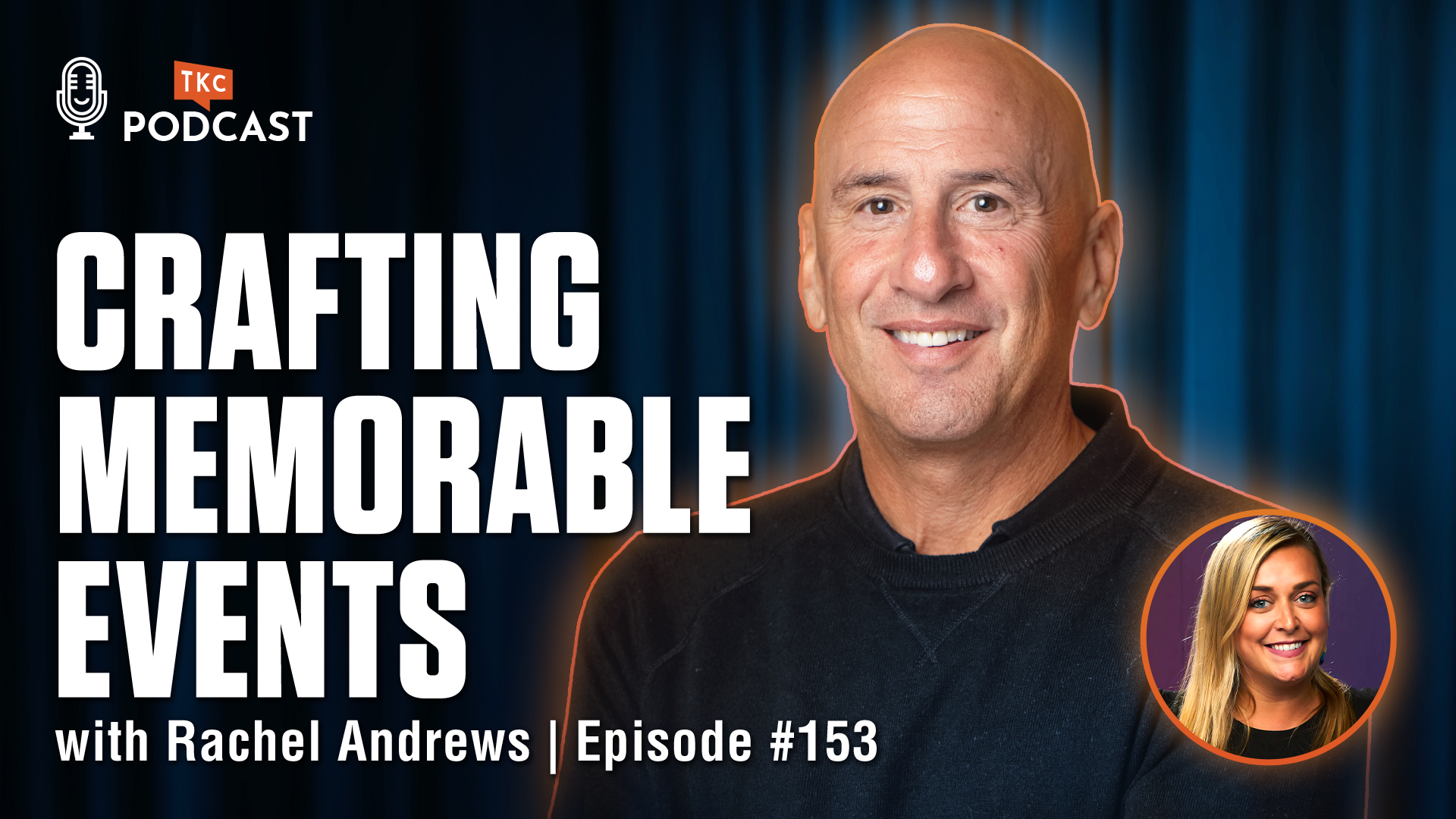
Rachel Andrews is the Global Head of Meetings & Events at Cvent and co-host of the Great Events Podcast. She leads a 40-person team that supports around 800 events each year. Rachel is refreshingly honest about what works, what breaks, and what event professionals are carrying behind the scenes. In our conversation, she shared insights that go far beyond logistics. We talked about trust, ROI, inspiration, burnout, and the radical hospitality that defines our industry.
🎧 Watch and listen to the podcast episode: YouTube • Spotify • Apple Podcasts • Amazon Music
Rachel believes that events are not cost centers. They are trust channels. In a world saturated with AI-generated content and digital noise, live experiences offer something irreplaceable: human connection. When people gather in person, they form relationships that no virtual platform can replicate. This is especially true for business leaders who need to build credibility and rapport with their audiences.
I asked Rachel why live events still matter when so much of our work has moved online. She told me that authenticity is the currency of trust. People remember how they felt at an event long after they forget what was said. The energy in a room, the spontaneous conversations during breaks, and the shared experience of learning together create lasting impressions. These moments cannot be replicated through a screen.
Rachel also pointed out that events serve as a bridge between strategy and execution. When leadership sees an event as just another line item, they miss the bigger picture. Events are where branding & marketing come to life. They are where customer relationships deepen and where internal teams align around shared goals. The return on investment is not always immediate, but it is undeniable when you connect the dots between touchpoints, stories, and sales outcomes.
One of the most pressing challenges for event professionals is proving ROI. Leadership wants numbers, but events do not always fit neatly into spreadsheets. Rachel acknowledged this tension and offered a practical approach: stop waiting for the perfect dashboard and start connecting the touchpoints that already exist.
She explained that ROI is not just about attendance numbers or session ratings. It is about tracking the journey from event participation to business outcomes. Did an attendee become a customer? Did a keynote inspire a team to adopt a new strategy? Did a networking session lead to a partnership? These are the stories that demonstrate value, and they require collaboration between events, sales, and marketing teams.
Rachel also emphasized the importance of setting clear objectives before an event. If you do not know what success looks like, you cannot measure it. Every event should have a purpose that aligns with broader corporate culture and business goals. Whether it is generating leads, strengthening brand affinity, or educating customers, clarity on outcomes makes it easier to prove impact.
I appreciated her honesty about the limitations of data. Not everything can be quantified, and that is okay. Some of the most valuable outcomes from events are intangible. A shift in mindset, a renewed sense of purpose, or a moment of inspiration can transform how someone approaches their work. These are the moments that justify investment in events, even if they do not show up on a revenue report.
Rachel is passionate about the role of keynote speakers and emcees at events. She made it clear that inspiration is not fluff. It is the human glue that holds an event together. When you bring in a speaker who understands your audience and can articulate ideas in a way that resonates, you create a shared experience that elevates the entire event.
She told me that selecting the right keynote is both an art and a science. You need to understand your audience’s pain points, aspirations, and learning preferences. A great keynote does more than entertain. It challenges assumptions, sparks conversations, and leaves attendees with actionable insights. This is where professional development intersects with inspiration.
Rachel also highlighted the importance of crowdsourcing input when choosing speakers. She asks her team and stakeholders what they are looking for in a keynote. What themes are most relevant right now? What kind of energy does the event need? By involving others in the decision-making process, she ensures that the keynote aligns with the event’s goals and resonates with the audience.
I asked her how she knows when a keynote is the right fit. She said it comes down to alignment. Does the speaker’s message support the event’s objectives? Does their style match the tone you are trying to create? Can they adapt their content to your audience? These questions help narrow down the options and ensure that the keynote adds real value.
Rachel also stressed that emcees play a critical role in creating flow and maintaining energy throughout an event. A skilled emcee can bridge sessions, keep the audience engaged, and create moments of levity when needed. They are not just facilitators. They are part of the experience, and their presence can make or break the overall impact of an event.
One of the most powerful parts of our conversation was when Rachel talked about burnout. She was candid about the toll that invisible work takes on event professionals. Planning an event requires countless hours of coordination, problem-solving, and anticipation of needs that no one else sees. When that work goes unrecognized, it can lead to exhaustion and disillusionment.
Rachel believes that burnout is not a personal failing. It is a structural issue that requires systemic solutions. One of the strategies she uses is tracking hours to justify real resourcing. When leadership sees the actual time and effort required to execute events, they are more likely to invest in the team and tools needed to sustain that work.
She also talked about the importance of empowerment within event teams. When team members feel trusted and supported, they are more likely to bring their best ideas forward and take ownership of their work. Rachel creates space for her team to share feedback, voice concerns, and contribute to decision-making. This collaborative approach not only reduces burnout but also leads to better outcomes.
I asked Rachel what advice she would give to young event professionals who are feeling overwhelmed. She said the first step is to prioritize self-care and set boundaries. Event professionals are often conditioned to say yes to everything, but that is not sustainable. Learning to say no, delegate, and ask for help are essential skills for long-term success.
Rachel also encouraged event professionals to build business cases for the resources they need. If you want more budget, more staff, or more time, you have to show why it matters. Connect your request to business outcomes and demonstrate the impact that additional support will have on events and the broader organization.
Rachel described event professionals as operators, guides, and leaders. The work we do goes far beyond logistics. We create environments where people feel seen, heard, and valued. This is what she calls radical hospitality, and it is the foundation of meaningful events.
She explained that hospitality is not just about accommodating requests. It is about anticipating needs, creating moments of delight, and making people feel genuinely cared for. This requires creativity and attention to detail, but it also requires empathy and emotional intelligence. The best event professionals understand that they are in the business of human connection.
Rachel also talked about the evolution of her leadership style. Early in her career, she felt the need to have all the answers. Over time, she learned that leadership is about empowering others to find their own solutions. She focuses on understanding her team members’ strengths and providing personalized support. This approach builds trust and creates a culture where people feel confident taking risks and innovating.
I was struck by Rachel’s perspective on women leaders in the events industry. She acknowledged the unique challenges that women face, but she also emphasized the importance of lifting each other up. Mentorship, sponsorship, and creating opportunities for others are all part of her leadership philosophy. She believes that when women succeed, the entire industry benefits.
Rachel also touched on the role of communication in leadership. Clear, transparent communication is essential for building trust and aligning teams around shared goals. She makes it a priority to keep her team informed about changes, challenges, and successes. This openness fosters a sense of ownership and accountability that drives performance.
Rachel is committed to advancing DE&I – diversity, equity & inclusion within events. She believes that diverse perspectives lead to better outcomes and more innovative solutions. This starts with intentional speaker selection and extends to every aspect of event design.
She told me that representation matters. When attendees see speakers who reflect their identities and experiences, they are more likely to feel included and engaged. Rachel works to ensure that her events feature a diverse lineup of voices and that accessibility is prioritized from the beginning.
She also talked about the importance of creating inclusive environments. This means considering everything from venue accessibility to dietary restrictions to language interpretation. Small details can have a big impact on whether someone feels welcome and able to fully participate.
Rachel emphasized that DE&I is not a checkbox exercise. It requires ongoing commitment and a willingness to listen, learn, and adapt. She encourages event professionals to seek feedback from attendees and stakeholders and to use that input to continuously improve.
Rachel sees every event as an opportunity to deliver an exceptional customer experience. From the moment someone registers to the follow-up after the event, every touchpoint should reinforce the value of the experience. This requires a deep understanding of your audience and a commitment to exceeding their expectations.
She explained that customer experience is not just about avoiding problems. It is about creating moments of delight that surprise and engage attendees. This could be as simple as a personalized welcome message or as elaborate as an interactive session that invites participation. The key is to think creatively about how to make people feel valued.
Rachel also highlighted the importance of feedback loops. After every event, she collects input from attendees, speakers, and internal stakeholders. This feedback informs future planning and helps identify areas for improvement. She views every event as a learning opportunity and uses insights to refine her approach.
Rachel is a strong advocate for staying engaged with the events industry and continuing to learn. She believes that professional growth requires curiosity, humility, and a willingness to try new things. Whether it is attending industry conferences, participating in webinars, or listening to podcasts, there are countless ways to stay informed and inspired.
She also encouraged event professionals to build networks and cultivate relationships with peers. The events industry is collaborative by nature, and sharing knowledge benefits everyone. Rachel credits much of her success to the mentors and colleagues who have supported her along the way.
I asked Rachel about her own learning journey. She said that hosting the Great Events Podcast has been one of the most rewarding experiences of her career. It allows her to have deep conversations with industry leaders and to explore topics that matter to event professionals. Through the podcast, she has learned new strategies, gained fresh perspectives, and connected with a global audience.
Rachel also talked about the importance of experimenting and taking risks. Not every idea will work, but the process of trying new things is essential for innovation. She encourages her team to test new formats, explore emerging technologies, and challenge conventional wisdom. This mindset keeps events fresh and relevant.
Rachel’s advice to young event professionals is simple but powerful: build your business case and prioritize yourself. If you want to grow your career, you need to advocate for your value and invest in your own well-being.
Building a business case means articulating the impact of your work in terms that leadership understands. Connect your contributions to revenue, retention, or brand equity. Show how your efforts support broader organizational goals. This not only helps you secure resources but also raises the profile of events within your company.
Prioritizing yourself means setting boundaries, seeking support, and making time for activities that recharge you. Event professionals are wired to give, but you cannot pour from an empty cup. Rachel reminded me that taking care of yourself is not selfish. It is essential for sustaining a long and fulfilling career in events.
Rachel Andrews is a leader who understands that events are more than logistics. They are trust channels, ROI engines, and platforms for human connection. Her insights remind us that the work we do matters, even when it feels invisible. By building strong business cases, prioritizing self-care, and staying engaged with our industry, we can create events that deliver real value and meaningful impact.
📞 Schedule a 15-minute conversation so we can discuss the best speaker fit for your next event
🖥️ Explore more impactful keynote speakers on our website
📩 Contact us: info@thekeynotecurators.com

© 2026 The Keynote Curators. All Rights Reserved | Terms and Conditions
The Keynote Curators, 8275 South Eastern Avenue, Suite 200, Las Vegas, NV 89123
Local (310) 299-4595 | Toll Free (888) 585-8715 | info@thekeynotecurators.com
The Keynote Curators - Top Keynote Agency, USA.
Booking a Keynote Speaker: The Essential Checklist