
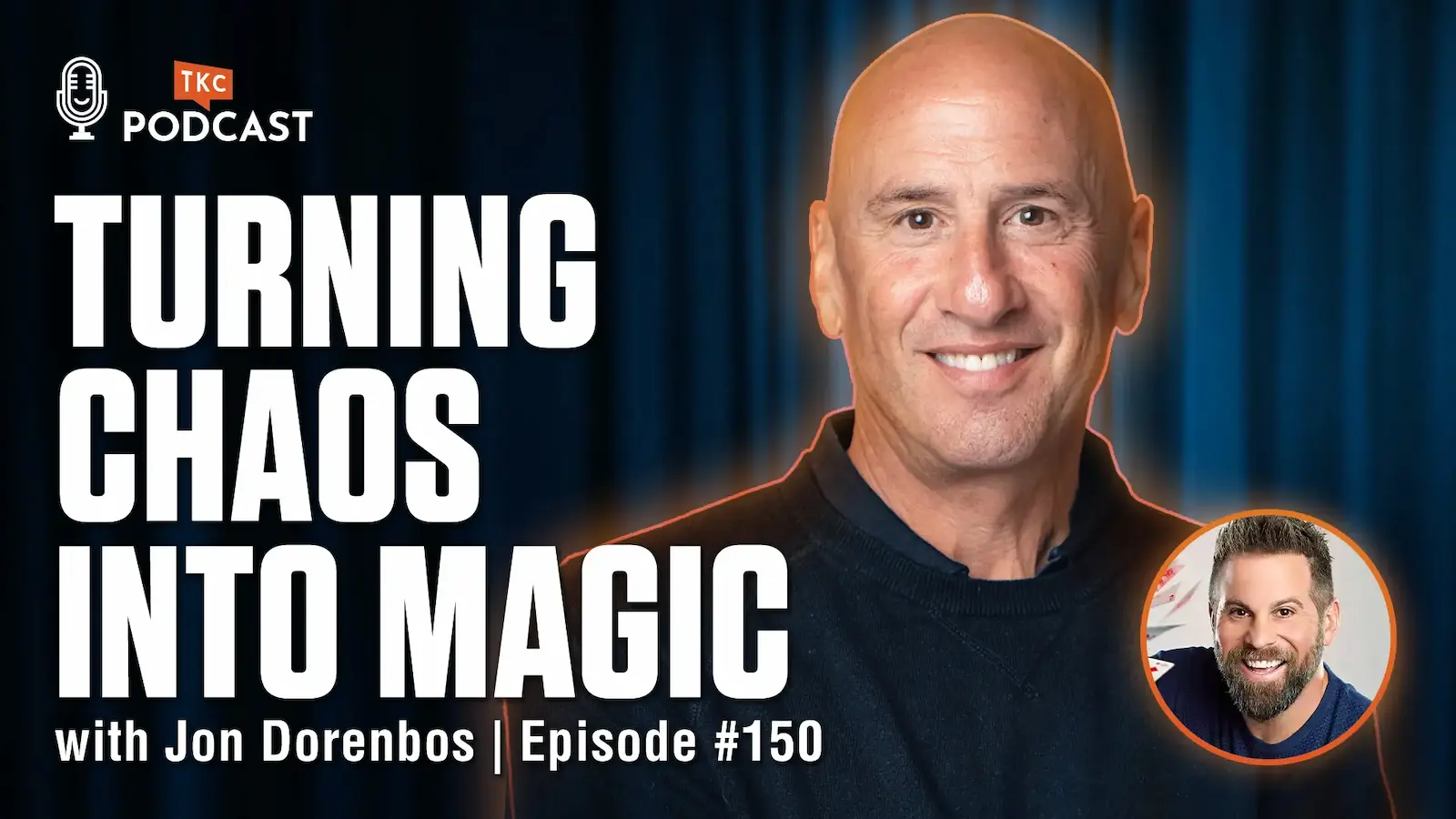
January 8, 2026Resilience Lessons From an NFL Player Who Turned Life into Magic
Resilience keynote speaker Jon Dorenbos shares how to turn adversity into action through mindset, forgiveness, and authentic leadership strategies.
Why Most Resilience Talks Fall Flat (And What Jon Dorenbos Does Differently)
When was the last time a keynote speaker made you laugh, cry, and completely rethink how you handle pressure—all in the same hour? Most resilience presentations feel like recycled motivational posters. They offer surface-level platitudes about bouncing back, taking deep breaths, and finding your inner strength.
Resilience keynote speaker Jon Dorenbos, however, brings something entirely different to the stage: raw authenticity wrapped in world-class entertainment, backed by a life story most people wouldn’t survive.
Jon played 14 seasons in the NFL, made two Pro Bowls with the Philadelphia Eagles, and holds the franchise record for most consecutive games played. He competed on America’s Got Talent, finished third among over 100,000 competitors, and appeared on Ellen more than any other guest in the show’s history. Then, just as his career peaked, doctors discovered a life-threatening heart condition requiring 15 hours of emergency open-heart surgery. Most speakers would use that as their closing act. For Jon, it became the foundation for teaching audiences how to build genuine resilience in their personal and professional development journeys.
This conversation unpacks what makes Jon’s approach to resilience different, why event planners consistently book him for their most important stages, and how his framework translates into actionable tools your attendees can use immediately. You’ll discover why talking to yourself matters more than listening to yourself, how forgiveness creates freedom without excusing harm, and why wearing the next hat should become your team’s mantra for navigating change.
? Watch and listen to the podcast episode: YouTube • Spotify • Apple Podcasts • Amazon Music
SE
The Script Inside Your Head Controls Your Resilience Every Day
Jon believes the most important conversation you’ll ever have is the one happening inside your mind right now. Most people spend their days listening to that voice—the one that replays past failures, anticipates rejection, and keeps a running tally of everything that could go wrong. But listening passively gives that voice complete control over your emotional state and decision-making, ultimately undermining your resilience when you need it most.
Instead, Jon teaches audiences to actively talk to themselves. Write the script you want your brain to run. This isn’t about forced positivity or pretending problems don’t exist. It’s about consciously choosing which thoughts deserve your attention and energy, which directly builds your resilience capacity. When Jon faced 15 hours of open-heart surgery, he didn’t ignore the fear. He acknowledged it, then deliberately shifted his internal dialogue toward what he could control: his attitude, his preparation, and his choice to find meaning in the experience. This self-talk practice became a cornerstone of his resilience during recovery.
The distinction between listening and talking to yourself might seem subtle, yet it changes everything about how resilience shows up in your daily work. Listening makes you reactive—a passive recipient of whatever anxiety, doubt, or frustration bubbles up throughout the day. Talking makes you directive. You become the author of your mental narrative rather than a victim of it. This matters enormously for meeting professionals coordinating high-pressure events, sales teams facing quarterly targets, and leaders navigating organizational turbulence where resilience separates those who thrive from those who merely survive.
Jon’s approach connects directly to elite performance principles used by top athletes and executives who’ve mastered resilience under pressure. Championship teams don’t leave their mindset to chance. They practice mental scripts the same way they practice physical skills. Before critical moments, they’ve already rehearsed the internal dialogue that keeps them focused, confident, and adaptable. Your team can develop the same resilience, starting with awareness of which script is currently running and whether it’s serving your goals.
Finding Peace Isn’t Accidental—Resilience Requires a Ritual You Practice Daily
Here’s what separates people who maintain resilience and composure under pressure from those who crumble: they’ve built intentional rituals for finding peace. Jon shuffles cards. Not as a party trick, although his sleight-of-hand skills are remarkable. He shuffles because the repetitive motion creates a meditative state that grounds him when everything else feels chaotic. The cards become his anchor point, a physical practice that signals to his nervous system that he’s choosing calm over crisis, which strengthens his resilience in the process.
Your resilience ritual won’t look like Jon’s. It might be a specific breathing pattern, a short walk, journaling three things you’re grateful for, or reviewing your team’s core values before important meetings. The specific practice matters less than having one you’ve trained your brain to associate with centering yourself. Consequently, when stress spikes during an event crisis or business setback, you have a tool that supports your resilience in real time.
Most meeting planners understand this intellectually but rarely implement it structurally. You build contingency plans for AV failures, catering issues, and speaker cancellations. You should build the same level of intentionality around maintaining your mental equilibrium throughout the planning cycle, essentially creating a resilience infrastructure for your entire team. Jon’s ritual works because he practices it consistently, not just during emergencies. By the time he needs it most, the neural pathway is already established, making his resilience automatic rather than effortful.
This connects to broader personal development principles about training your nervous system before you need it. Athletes don’t practice free throws during the championship game—they practice thousands of times before so muscle memory takes over when the pressure peaks. Similarly, your peace ritual should be something you’ve integrated into daily life, making resilience accessible precisely when your thinking brain gets overwhelmed by circumstances outside your control.
Forgiveness Creates Freedom and Strengthens Your Resilience Over Time
Jon’s perspective on forgiveness cuts through the confusion most people carry about what it actually means for building lasting resilience. Forgiveness isn’t saying what happened was okay. It’s not excusing harmful behavior, minimizing your pain, or pretending betrayal didn’t occur. Forgiveness is a selfish act—and Jon means that in the most empowering way possible. You forgive to free yourself from the prison of resentment, not to absolve someone else of responsibility. This act of letting go becomes essential for maintaining resilience over the long term.
When you hold onto anger, bitterness, or a need for revenge, you’re essentially letting someone who hurt you continue to control your emotional state long after the initial harm occurred, which depletes your resilience every single day. They’re living rent-free in your head, taking up mental and emotional bandwidth you could redirect toward building the future you want. Forgiveness is the eviction notice. It’s choosing to reclaim that energy for something that actually serves your growth rather than keeping you tethered to past pain, thereby restoring your resilience for what matters now.
This reframe matters tremendously for leaders navigating teamwork challenges, organizational restructures, or situations where trust was broken and resilience was tested. You can hold people accountable, establish new boundaries, and choose not to continue relationships while still forgiving. These aren’t contradictory positions. Accountability addresses external behavior and consequences. Forgiveness addresses your internal freedom to move forward without carrying the weight of unresolved anger, which preserves your resilience for challenges that actually deserve your energy today.
Jon doesn’t teach forgiveness because it’s morally superior or spiritually enlightened, although those might be side benefits. He teaches it because it works as a resilience strategy. Resentment is heavy. It clouds judgment, fuels reactivity, and keeps you emotionally stuck in chapters of your story that are already over. Meanwhile, forgiveness lightens the load, creating mental space for creativity, strategic thinking, and the kind of forward momentum that actually changes outcomes. True resilience requires letting go of what you can’t change so you can focus energy on what you can.
Stop Performing Leadership and Start Building Authentic Resilience
One of the most powerful distinctions Jon makes is between performing leadership and actually being authentic, which fundamentally changes how resilience develops in your organization. Many leaders, especially those recently promoted or facing new challenges, fall into the trap of trying to act the part. They put on a persona, use corporate jargon they don’t really believe, and carefully manage what they share to maintain an image of having everything together. This performance exhausts everyone involved, including the person doing it, and it prevents genuine resilience from developing because you’re wasting energy on maintaining a facade instead of building real strength.
Authenticity doesn’t mean oversharing or turning every interaction into therapy. It means showing up as a real human being who acknowledges reality, admits when they don’t have all the answers, and treats others as collaborators rather than subordinates to impress. Jon’s keynotes work because he doesn’t perform resilience—he embodies it. He shares actual vulnerability about his journey, including moments of fear, doubt, and failure. Then he shows how he worked through those experiences using specific resilience tools audiences can apply to their own challenges.
For event professionals booking motivational keynote speakers, this distinction makes all the difference. Audiences instantly recognize when someone is delivering rehearsed talking points versus speaking from lived experience with genuine resilience. Jon’s approach creates connection because people see themselves in his story. They recognize their own struggles in his transparency. This builds credibility that no amount of credentials or accomplishments can manufacture on their own, particularly when discussing something as personal as resilience development.
Practicing authenticity also transforms how teams function during high-pressure situations where resilience matters most. When leaders model vulnerability by acknowledging challenges openly, it gives everyone else permission to do the same. Problems get surfaced earlier. Solutions emerge faster. Trust deepens because people aren’t wasting energy maintaining facades. This authentic approach to leadership becomes especially valuable during change initiatives when uncertainty is high, old playbooks no longer apply, and your team needs to draw on collective resilience to navigate uncharted territory together.
Wear the Next Hat Because Resilience Means Adapting to What Each Moment Requires
Jon uses a simple but powerful metaphor for navigating transitions that perfectly captures what resilience actually looks like in practice: wear the next hat. When circumstances shift, when plans fall apart, when the path forward looks nothing like what you prepared for—you don’t resist the change or waste energy wishing things were different. You simply put on the hat the moment requires and get to work. This mindset embodies true resilience because it treats adaptation as the assignment rather than the interruption.
This resilience mindset transformed how Jon approached his own career transitions. He went from NFL player to magician to author to keynote speaker, not because he had it all planned out, but because he stayed present to what each season required. When his playing career ended abruptly due to his heart condition, he didn’t spend years mourning what he lost. He asked what the next chapter needed from him and stepped into that role with full commitment, demonstrating the kind of resilience that creates new possibilities rather than clinging to old ones.
For meeting planners, this philosophy addresses one of the most persistent challenges in the industry: dealing with constant change that tests your resilience daily. Venues change their policies. Budgets get cut. Speakers cancel. Attendance projections miss. Technology fails at the worst possible moments. You can spend your energy resisting these realities and complaining about how events used to be easier, or you can wear the hat of someone who solves problems creatively under evolving constraints, which is the essence of operational resilience. The second approach moves you forward while the first keeps you stuck.
Wearing the next hat also applies to how you develop your team’s resilience and prepare them for the future. The skills that made someone successful five years ago might not be sufficient for what’s coming next. Rather than clinging to familiar approaches because they worked before, high-performing teams embrace the discomfort of learning new capabilities. They treat adaptation as part of the job description, not an unfair burden someone else should have shielded them from experiencing. This growth orientation strengthens organizational resilience at every level.
This connects to broader themes about elite performance in any field. Championship athletes adjust their training as their bodies age. Successful entrepreneurs pivot their business models as markets evolve. The best meeting planners continuously update their skills as event formats, technologies, and audience expectations shift. Resilience isn’t about withstanding change unchanged—it’s about evolving intelligently as circumstances require new versions of who you are.
The Resilience Tools Your Team Can Use the Same Day They Hear Jon Speak
What makes Jon’s keynote especially valuable for event planners is how immediately actionable his resilience content is. He doesn’t leave audiences inspired but confused about what to actually do differently when they return to work. He provides specific, practical resilience tools people can implement that same afternoon. These aren’t complex frameworks requiring six months of training. They’re straightforward practices that shift thinking patterns and behavioral responses in real time, building resilience capacity through simple but powerful interventions.
The self-talk technique Jon teaches takes minutes to learn but changes how people handle pressure for years afterward, fundamentally transforming their resilience under stress. When someone on your team faces a difficult conversation, a tight deadline, or unexpected criticism, they can pause and ask: What script is running in my head right now? Is it serving me? What would I rather tell myself instead? This simple intervention prevents reactive spirals and creates space for more strategic responses that demonstrate genuine resilience rather than just reactive damage control.
Similarly, his teaching on forgiveness gives people permission to let go of grudges they’ve been carrying unnecessarily, which restores resilience they’ve been wasting on past grievances. How many of your team members are still angry about a decision made two years ago, a promotion they didn’t get, or a colleague who took credit for their work? That unresolved resentment affects their energy, creativity, and willingness to collaborate. Jon’s framework helps them release it without requiring them to pretend the harm didn’t happen or that they should forget about it entirely, freeing up resilience for current challenges.
The wearing-the-next-hat concept becomes particularly powerful during organizational change when uncertainty is high and resilience determines who adapts successfully. Instead of spending meeting time debating whether the change is fair or necessary, teams can redirect that energy toward figuring out what the new situation requires from them. This doesn’t mean people can’t voice concerns or advocate for better approaches. It means they don’t get stuck in resistance that prevents them from moving forward effectively, which is what separates resilient organizations from those that struggle through transitions.
These tools also reinforce each other to create compounding resilience effects. When you’re actively managing your self-talk, you’re less likely to ruminate on past hurts, making forgiveness easier and strengthening your overall resilience. When you’re willing to wear the next hat, you reduce the internal resistance that makes change feel threatening rather than energizing. Together, these practices create a resilience operating system your team can run regardless of what external circumstances throw at them.
Why Meeting Planners Keep Booking Jon for Their Most Important Resilience Initiatives
Understanding why Jon consistently gets booked for high-stakes events helps meeting professionals evaluate whether he’s the right fit for their specific audience and resilience-building objectives. His track record speaks to his effectiveness, but the reasons behind that track record matter even more than the results themselves.
First, Jon delivers a rare combination: world-class entertainment integrated with substantive resilience content. He’s not just funny, although audiences laugh throughout his presentations. He’s not just inspirational, although people leave motivated to apply what they’ve learned about building resilience. He’s not just skilled at magic, although his sleight-of-hand demonstrations create memorable moments people talk about for months. He weaves all these elements together in service of teaching resilience in a way that sticks long after the event ends.
Second, his storytelling ability makes complex resilience concepts accessible. Jon doesn’t lecture about psychological research or management theory. He shares stories from his own life—moments of triumph and devastation, mistakes and breakthroughs, ordinary situations and extraordinary circumstances that tested his resilience in ways most people can’t imagine. Audiences connect with these narratives emotionally, which creates the kind of engagement that passive information transfer never achieves. People remember stories about resilience long after they forget bullet points about it.
Third, Jon’s credibility on resilience comes from lived experience rather than academic credentials. He’s not a consultant who studied resilience—he’s someone who survived childhood trauma, built an elite sports career despite the odds, reinvented himself multiple times, and faced down a medical crisis that would have broken most people. This authentic authority means audiences trust what he says about resilience because they can see he’s proven these principles work under the most challenging conditions imaginable.
Fourth, his resilience content scales beautifully across industries and roles. Whether you’re booking him for a sales kickoff, leadership summit, association conference, or company-wide culture event, his messages about mindset, adaptability, and authentic leadership apply universally. Meeting planners don’t have to worry about whether their specific audience will find the resilience content relevant—Jon’s frameworks work for anyone dealing with pressure, change, or the need to perform at a higher level.
How Jon’s Resilience Keynote Fits Different Event Formats and Objectives
Selecting the right speaker means matching their strengths to your specific event goals and audience composition. Jon’s versatility allows him to serve multiple functions depending on what your event needs most from a resilience perspective. Understanding these applications helps you position him effectively within your program and set appropriate expectations with stakeholders about the resilience outcomes you’re targeting.
For sales kickoffs, Jon excels at resetting mindset at the start of a new quarter or year with practical resilience strategies. Sales teams face constant rejection, pressure to hit targets, and the emotional toll of hearing “no” repeatedly. His teachings about self-talk directly address the mental game that separates top performers from those who struggle, essentially building the resilience that makes or breaks sales success. Additionally, his message about wearing the next hat helps salespeople adapt their approach when initial strategies aren’t working rather than giving up or blaming external factors for their results.
Leadership development programs benefit from Jon’s emphasis on authenticity versus performance as a foundation for sustainable resilience. Emerging leaders often struggle with imposter syndrome or feel pressure to project confidence they don’t genuinely feel. Jon normalizes the discomfort of growth while providing tools for building genuine confidence based on self-awareness and skill development. His own journey from NFL player to performer demonstrates that leadership looks different in different contexts—what matters is showing up fully in whatever role the moment requires, which is exactly what resilience enables you to do.
Culture transformation initiatives gain momentum when Jon addresses forgiveness and letting go of past organizational baggage that undermines collective resilience. Many companies carry resentment from previous leadership decisions, failed initiatives, or conflicts that never got fully resolved. These unhealed wounds undermine current efforts to build trust and collaboration. Jon’s resilience framework gives people permission to release that weight without requiring them to pretend the past didn’t happen or that everyone should just move on without acknowledgment.
Association conferences and industry events use Jon to deliver a mainstage experience that combines inspiration with practical resilience takeaways. Meeting professionals need speakers who can hold a room of diverse attendees, deliver content that works for people at different career stages, and create moments worth sharing on social media. Jon checks all these boxes while teaching resilience principles that individual attendees can apply to their personal circumstances regardless of their specific role or organization.
What Makes Jon Dorenbos Different From Other Resilience Speakers
The resilience speaking circuit is crowded. Hundreds of speakers claim expertise in helping audiences bounce back from adversity and build resilience. Understanding what distinguishes Jon from other resilience options helps meeting planners make informed decisions about whether he’s the right investment for their specific event and budget.
Most resilience speakers fall into predictable categories. Some are academic researchers who present data and frameworks but lack compelling personal stories about resilience. Others are survivors who share dramatic narratives but don’t translate their experience into actionable resilience tools audiences can use. Many are motivational speakers who deliver inspirational messages about resilience without substance. Jon occupies a unique space that combines elements from all these approaches while avoiding their limitations in teaching resilience.
His entertainment background as a magician creates engagement that pure resilience content delivery never achieves. When Jon performs sleight-of-hand demonstrations, he’s not just showing off—he’s creating visceral experiences that make abstract resilience concepts tangible. Magic demonstrates principles about attention, perception, and possibility in ways that verbal explanation alone can’t match. These moments become anchors that help audiences remember and retrieve the resilience lessons long after the event ends.
Jon’s athletic career provides credibility with audiences who might dismiss typical motivational speakers talking about resilience. Corporate leaders, sales professionals, and high achievers respect the discipline required to reach the NFL. They understand the competition, pressure, and elite performance standards involved. This background gives Jon automatic authority when discussing mental toughness, preparation, and performing under pressure that speakers from other backgrounds have to work much harder to establish when teaching resilience.
His medical crisis adds a dimension most resilience speakers can’t offer: a genuine brush with mortality and physical vulnerability that tested his resilience in the most extreme way possible. Many resilience speakers talk about overcoming professional setbacks or navigating career transitions. Jon survived emergency open-heart surgery that easily could have killed him. This isn’t manufactured drama or exaggerated storytelling—it’s documented medical reality. That level of authentic adversity creates a different quality of connection with audiences because they recognize they’re hearing about resilience from someone who’s faced circumstances beyond what most people ever experience.
Taking the Next Step to Book Jon for Your Resilience Event
If Jon’s approach to teaching resilience resonates with what your event needs, taking the next step is straightforward. You have several options depending on where you are in your planning process and how much information you still need to make a final decision about bringing his resilience expertise to your stage.
Book Jon Dorenbos directly through his speaker profile where you’ll find additional videos, testimonials from previous clients, and detailed information about his resilience keynote topics and customization options.
shop.lifeismagic.com offers Jon’s magic merchandise including gifts and branded items that create lasting impressions for your attendees. These tangible takeaways extend the impact of his resilience keynote long after your event concludes.
Schedule a 15-minute consultation with The Keynote Curators team to discuss your event objectives, audience composition, and whether Jon is the right fit for your resilience initiative. This pressure-free conversation helps you evaluate options without commitment and ensures you’re making an informed decision.
Email info@thekeynotecurators.com with your event goals and The Keynote Curators team will recommend the speaker who best matches your needs—whether that’s Jon or someone else who might be an even better fit for your specific situation and resilience-building objectives.
The resilience your team needs isn’t built through generic advice about staying positive or pushing through challenges. It comes from practical tools that change how people think, specific rituals that ground them under pressure, and authentic leadership that makes others feel safe enough to bring their full selves to work. Jon Dorenbos delivers all of this wrapped in an unforgettable presentation that proves resilience doesn’t have to be serious to be serious business.
Discover More Insights






Get in TouchContact US
Fill out the form so we can best understand your needs.
A representative from The Keynote Curators will reach out to you.
Our Services
Keynote Speakers Topics
© 2026 The Keynote Curators. All Rights Reserved | Terms and Conditions
The Keynote Curators, 8275 South Eastern Avenue, Suite 200, Las Vegas, NV 89123
Local (310) 299-4595 | Toll Free (888) 585-8715 | info@thekeynotecurators.com
The Keynote Curators - Top Keynote Agency, USA.