
Book Morgan Housel through The Keynote Curators
Biography
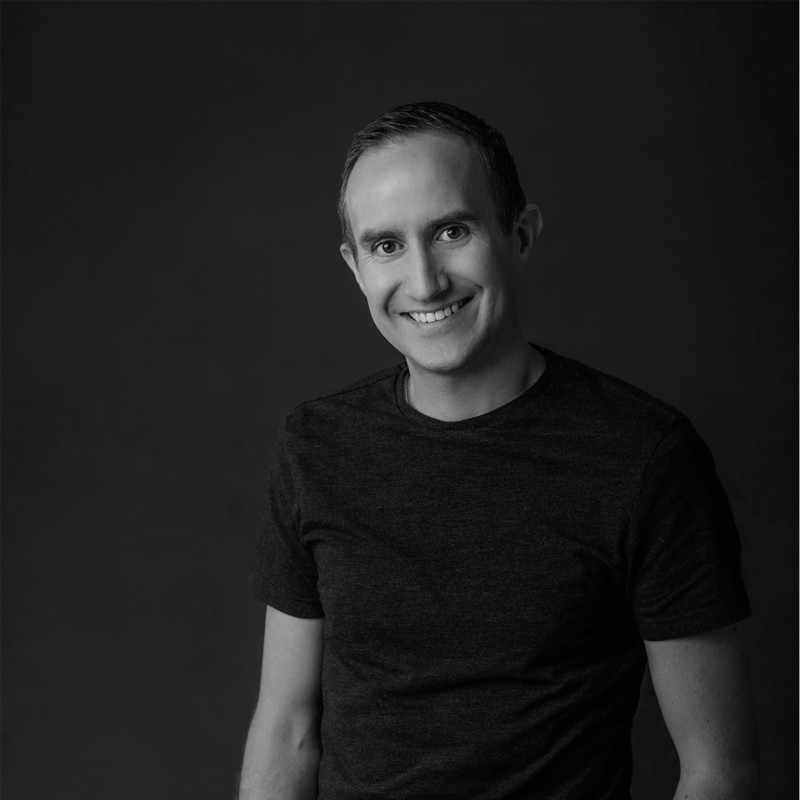
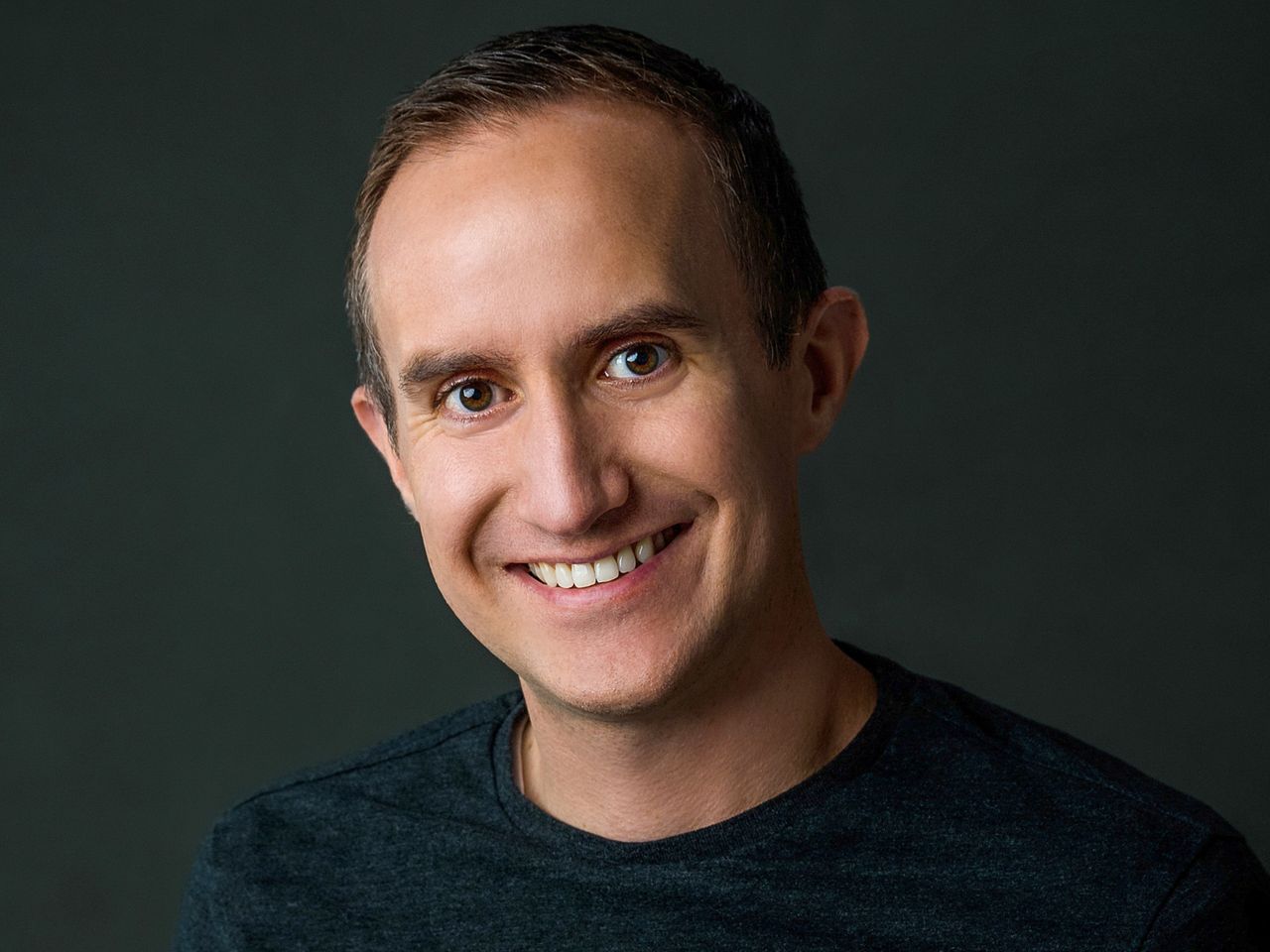
Morgan Housel is a partner at The Collab Fund and a former columnist at The Motley Fool and The Wall Street Journal. An expert on behavioral finance and investing history, he is a two-time winner of the Best in Business award from the Society of American Business Editors and Writers, a winner of the New York Times Sidney Award, a two-time finalist for the Gerald Loeb Award for Distinguished Business and Financial Journalism, and has received recognition from the Columbia Journalism Review for the Best Business Writing 2012 anthology. In 2013 he was a finalist for the Scripps Howard Award.
In 2022, MarketWatch named him one of the 50 most influential people in markets. Morgan speaks about the importance of financial independence, control over your time, and spending prioritization in a way that requires no math, charts, or complexity that often turns people away from the subject. He has presented at more than 100 conferences in a dozen countries and lives in Seattle with his wife and two kids.
Contact us for Morgan Housel fees and availability
Videos
Speech TopicsExpand each topic to learn more
Risk, in investing textbooks, is taught as the stock market going up and down. In the real world, risk is far more complicated, harder to define and different for every investor. Risk in the real world is not being able to meet your financial goals, which is primarily caused by investors’ own biases and behaviors, particularly buying when the market is high and selling after a pullback. Morgan Housel shares five clear stories of how investors, business executives, and everyday people misinterpreted risk to disastrous consequences, and how investors can identify and correct their own biases to make better investment decisions.
Every economy is driven by how groups of people respond to incentives and opportunities. Those behaviors are ingrained in human nature, rarely changing over time, so there's a lot we can learn about tomorrow's economy by studying how we responded to the past. At the same time, the economy in recent years has undergone tremendous changes in how people share and interpret information. Two years after the Wright Brothers flew for the first time, The New York Times still questioned whether humans would ever fly; today, Twitter breaks news faster than any journalist can report it. That has upended many of the traditional forces that have guided how people think about risk and opportunity, and thus economic growth.
Presented through the lens of behavioral finance and psychology, this talk walks audiences through where the economy is heading and how industries can stand to thrive.
If the market never fell, it wouldn’t be risky. If it wasn’t risky, everyone would buy it. If everyone bought it, it would get expensive. When it’s expensive, it’s risky. And when it’s risky, it falls. Morgan Housel shows why market volatility and bear markets are not only normal, but inevitable. Using stock market history, economic theory, and current examples of real investors, he walks audiences through the history of bull and bear markets, turning points and the smartest ways investors can navigate volatility—namely, learning how to deal with and accept it, rather than attempting to avoid it.
Investing is more than just the study of finance. It’s ultimately the study of human behavior and how people react under pressure and with limited information. There are many lessons from diverse fields that can teach us valuable investing takeaways, such as how the War on Cancer focuses on complicated treatments with low chance of success while discounting simple prevention that can make a massive difference. The best investors in the world integrate knowledge from many different fields, including psychology, sociology, history, biology, and physics. Morgan Housel shares four lessons from different fields to help make you a better investor.
Personal finance is special. No matter what field you're in, it will affect your life, whether you are interested in it or not. Despite this, the record is dismal: Most people are terrible at managing money. Why? Partially because we don't teach enough personal finance at a young age. But more importantly, we don't teach it very well. Financial literacy, to the extend that it's taught, tends to focus on math, acronyms, and rules to memorize, when instead it should be taught as a philosophy about what tends to make people happy in life, in the same way we're introduced to sports without being asked to memorize the formula of how far a baseball will travel when hit with a bat.
This talk walks audiences through how you—and others you may teach—can gain a deeper appreciation for topics like financial independence, control over your time, and spending prioritization in a way requires no math, charts, or complexity that often turns people away from the subject. It is intended for both novices and financial professionals alike, as the latter group tends to solve problems rooted in psychology with solutions rooted in math, often to their own detriment.
Booksby Morgan Housel
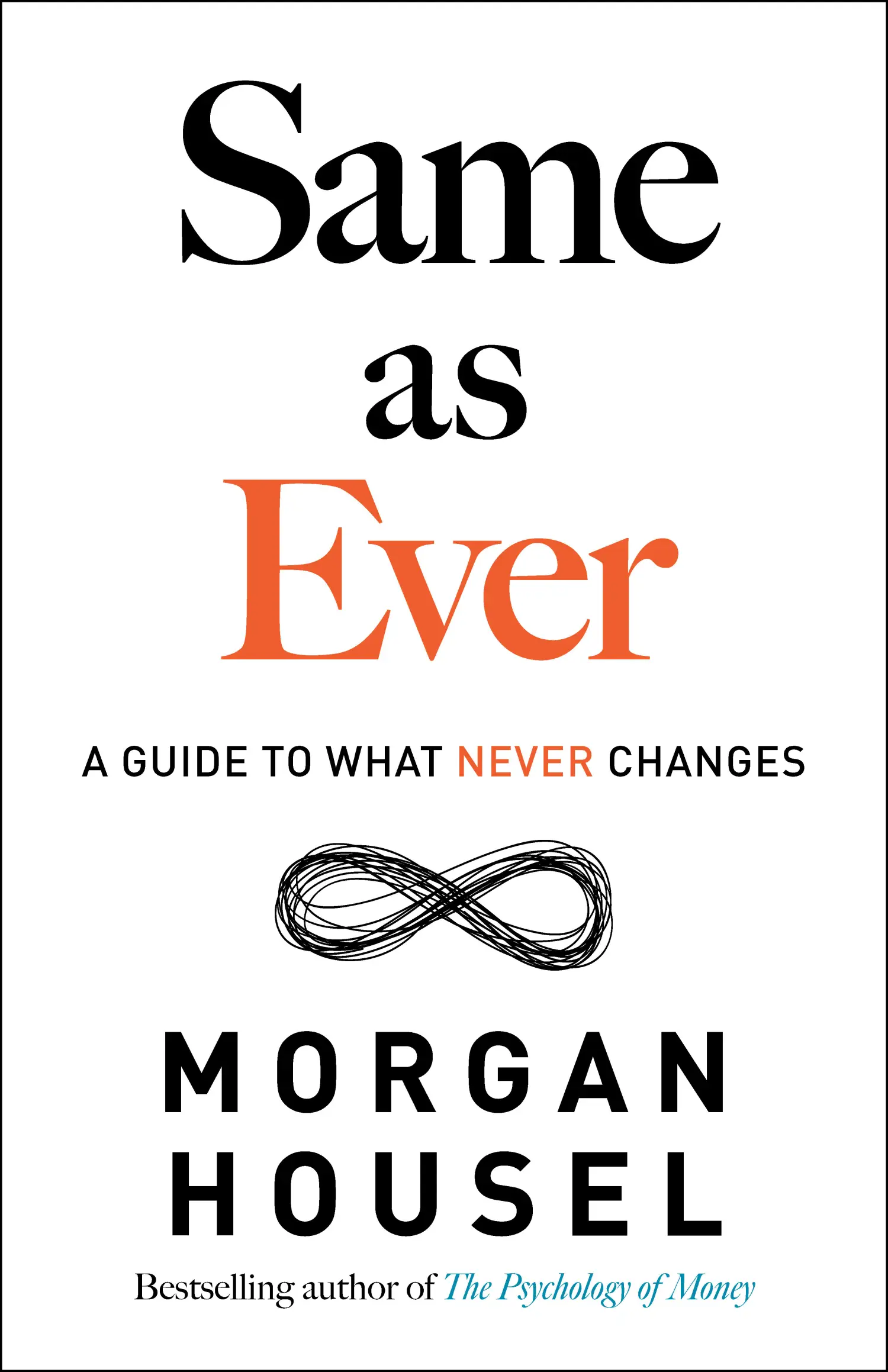
Same as Ever
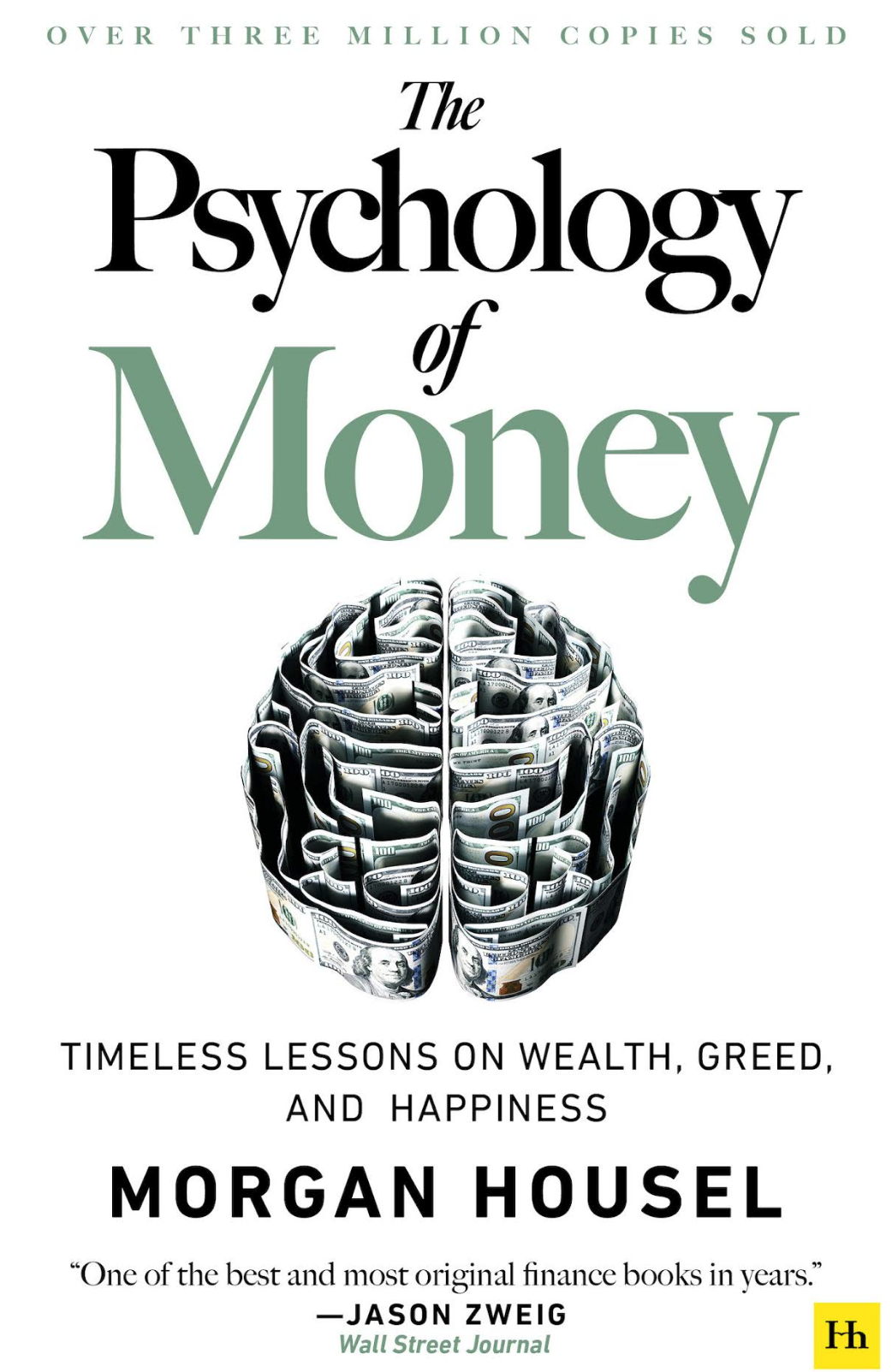
The Psychology of Money
For Meeting Planners

Get in TouchContact US
Fill out the form so we can best understand your needs.
A representative from The Keynote Curators will reach out to you.
Blog Posts
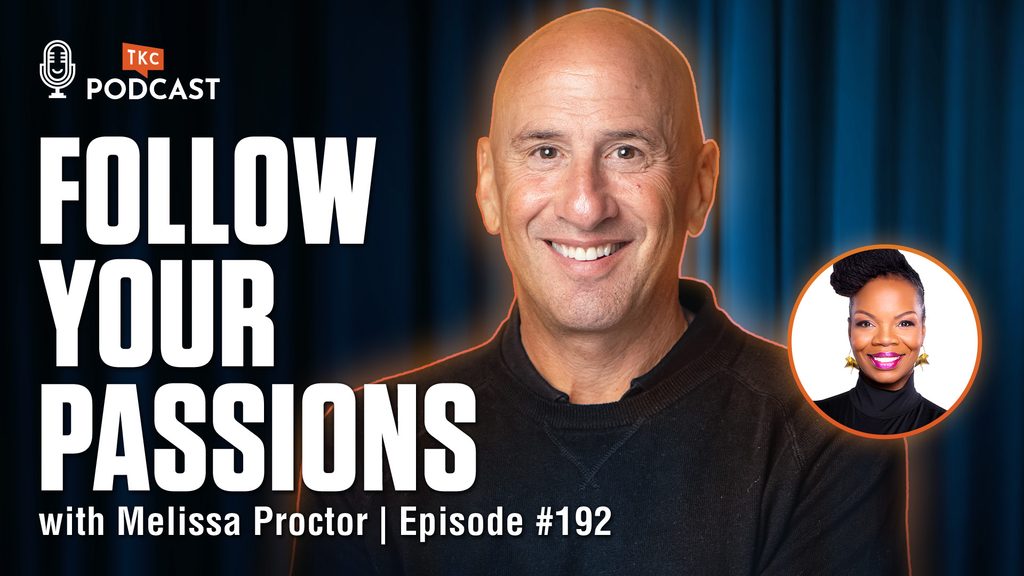
Your Career Could Show Up Where You Least Expect It with Melissa Proctor
Melissa Proctor's career took her from NBA ball girl to CMO. Here's what her path teaches us about growth, leadership, and career choices.
Read More
Negotiation Is the Most Analog Skill Leaders Can’t Outsource
Negotiation is still a human skill. Here's why the most analog part of work matters more as AI takes over the rest.
Read More
Why High Performers Fall Into the When-Then Trap (and How to Escape It)
High performers often delay their own well-being for "someday." Dr. Robyne Hanley-Dafoe explains why, and what to do instead.
Read More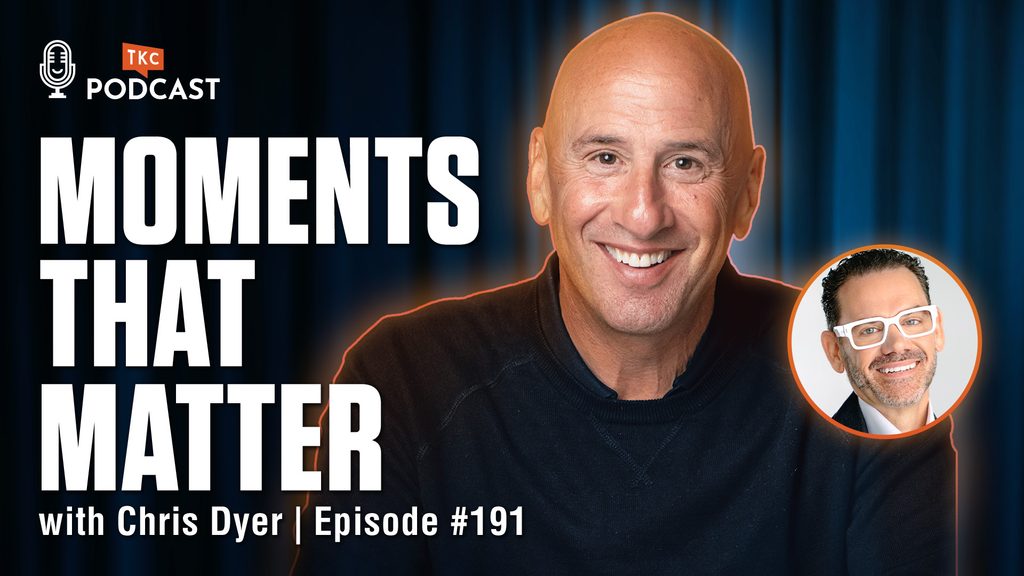
Business Culture Is Built in Small Moments, with Chris Dyer
Chris Dyer explains how everyday leadership moments shape business culture, trust, and whether employees choose to stay.
Read More
25th Anniversary of 9/11
Twenty-five years is a strange distance. It’s long enough for 9/11 to start sounding like history to people who weren’t alive for it, and close enough that many of us can still say exactly where...
Read More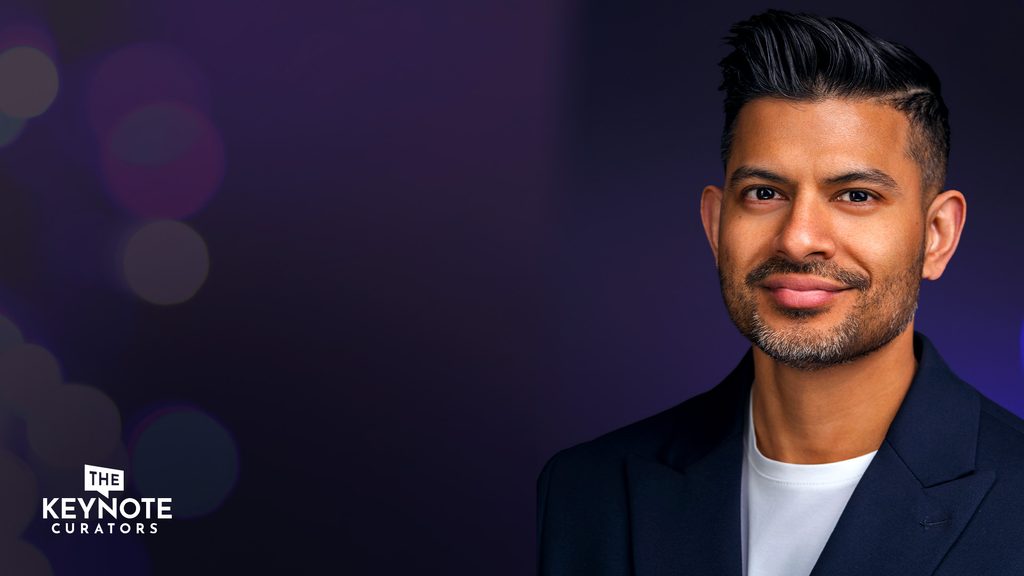
Why Remote Work Is Quietly Breaking Your Team’s Ability to Innovate
Shawn Kanungo explains why remote work quietly damages innovation, even when it boosts individual productivity. Here's the real cost.
Read More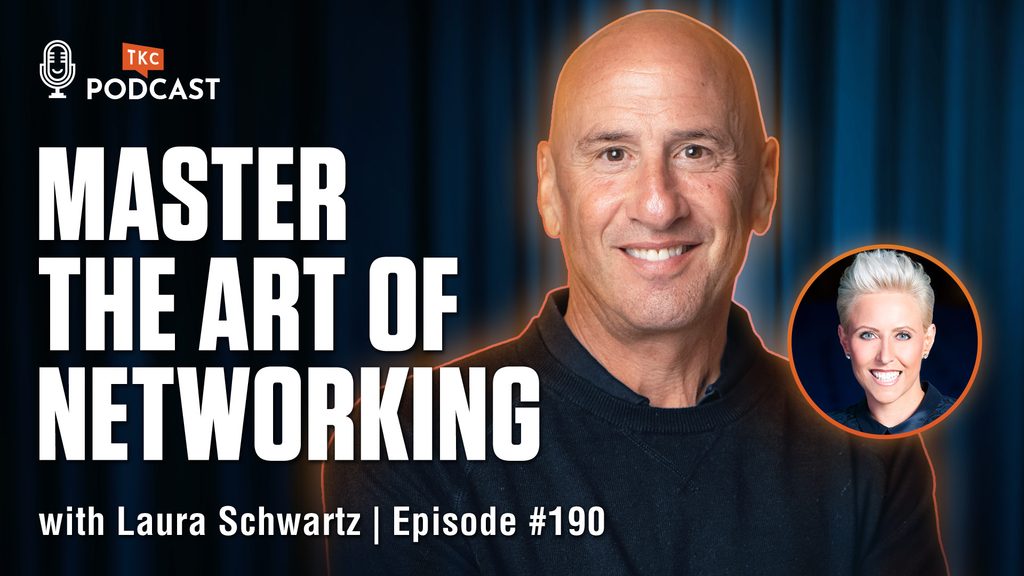
Networking Redefined: Eat, Drink, and Succeed, with Laura Schwartz
Laura Schwartz reveals what real networking looks like: service, presence, and community over status and self-interest.
Read More
Toxic Workplace Culture Starts Quietly and Grows in Silence
A toxic workplace rarely starts with cruelty. It starts with silence. Here's how leaders can spot it early and build real trust instead.
Read More