
Book Robert Wachter, M.D. through The Keynote Curators
Biography
Robert Wachter, MD is professor and chair of the Department of Medicine at the University of California, San Francisco (UCSF); in 2021, the department was ranked the best in the nation by US News & World Report.
Wachter is author of 300 articles and six books, including the New York Times science bestseller, The Digital Doctor: Hope, Hype and Harm at the Dawn of Medicine’s Computer Age. He coined the term “hospitalist” in 1996 and is often considered the “father” of the hospitalist field, the fastest growing specialty in the history of modern medicine. He is past president of the Society of Hospital Medicine, past chair of the American Board of Internal Medicine, and an elected member of the National Academy of Medicine.
In 2015, Modern Healthcare magazine ranked him as the most influential physician-executive in the U.S. In 2020-22, his tweets on Covid-19 were viewed more than 400 million times by 260,000 followers and served as a trusted source of information on the clinical, public health, and policy issues surrounding the pandemic.
He has made scores of media appearances, including on Fresh Air, All Things Considered, the Rachel Maddow Show, Fareed Zakaria GPS, and Pod Save America, and has been quoted hundreds of times in publications that include the Wall Street Journal, Washington Post, and the New York Times. He has advised many companies on their digital strategy, including Google and Teladoc. With his leadership roles in academia, hospital medicine, quality and patient safety, digital health, and Covid, Wachter is often sought after for his dynamic, thoughtful, accessible, and humorous takes on healthcare’s current state and its future opportunities and challenges.
Contact us for Robert Wachter, M.D. fees and availability
Videos
Speech TopicsExpand each topic to learn more
Everyone had high hopes computers would be the magic bullet to improve the safety, quality and efficiency of healthcare. In the past five years – catalyzed by a $30 billion federal incentive program – medicine has finally, reluctantly, gone digital. Drawing from personal experiences and real-life case examples, Dr. Wachter explores some of the unforeseen consequences of information technology – including the movement to hire scribes so doctors and patients can look each other in the eye again, alert fatigue, and the tendency for clinicians to defer to a new kind of authority (an electronic one) – and discusses proposed solutions. He also touches on core issues in medicine, such as what it means to be a doctor – and patient – in the digital age, the theme of his recently published book of the same title (April 2015).
If there’s one thing most people inside and outside of healthcare can agree on, it’s that the American healthcare system is broken and must be fixed. Dr. Wachter reviews the brief history of the quality and safety movements, the new push for “value” (quality + safety + patient satisfaction divided by cost), and how all of these levers (accreditation, regulation, transparency, payment changes) are combining to create unprecedented pressure on caregivers and delivery organizations to change their ways of doing business. But for all of the pain, there is also hope: attendees will gain a deep understanding of healthcare’s evolving landscape and a roadmap (and some optimism) for success in this new world.
The title is a riff of a famous Seinfeld episode, one in which Jerry convinces his hapless friend George to try the opposite of his every instinct, but the topic has serious implications for physicians. In healthcare, physicians have been taught to be individualistic, to think about individual patients versus systems, to look outside their institution for answers, and not to consider resource allocation tradeoffs. Dr. Wachter talks about the imperative to move in new directions and provides some cautionary notes about what may be lost if the pendulum swings too far.
Dr. Wachter coined the term “hospitalist” in the New England Journal of Medicine in 1996. He describes the forces driving the growth of the field – the fastest-growing specialty in the history of medicine – and what’s to come. He also uses the case of hospitalists to discuss some key issues in healthcare innovation and change management.
Booksby Robert Wachter, M.D.
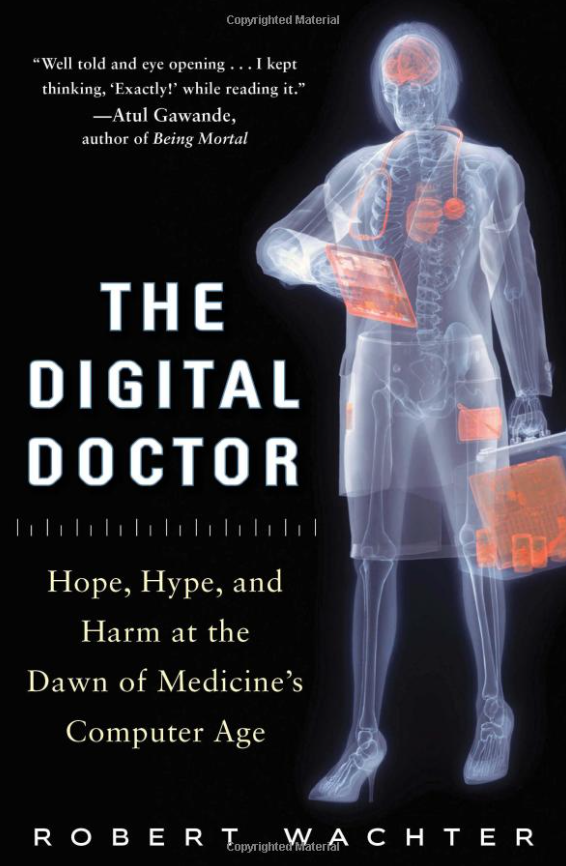
he Digital Doctor: Hope, Hype and Harm at the Dawn of Medicine’s Computer Age
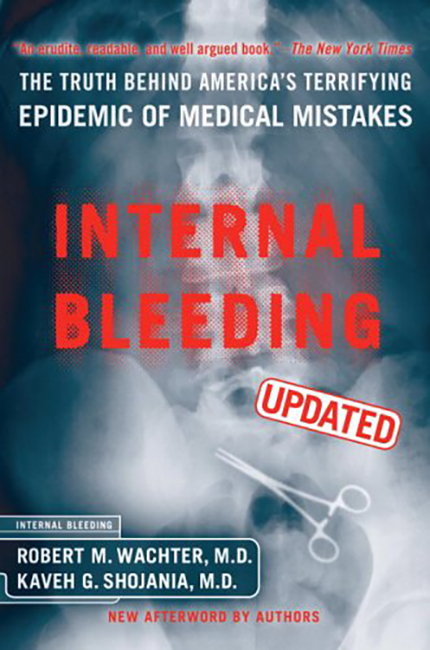
Internal Bleeding: The Truth Behind America's Terrifying Epidemic of Medical Mistakes

Understanding Patient Safety
For Meeting Planners


Get in TouchContact US
Fill out the form so we can best understand your needs.
A representative from The Keynote Curators will reach out to you.
Blog Posts

Breast Cancer Awareness Needs More Than Pink Ribbons and Good Intentions
Breast cancer awareness doesn't end in October. Here is what real workplace support and easier access can look like all year.
Read More
How to Create Event Experiences People Will Always Remember
What makes an event memorable? Dr. Robyne Hanley-Dafoe explains why full presence beats polls, phones, and gadgets in any live room.
Read More
Leadership Succession Planning Is the Advantage No One Is Building
Leadership succession planning is the biggest competitive advantage most companies ignore. Here's why the gap matters and how to close it.
Read More
Workplace Culture Lessons on Trust and Safety with Danny Goldberg
Danny Goldberg explains how leaders can close the gap between the workplace culture they intend and the one employees actually feel.
Read More
Real Productivity Is About Deciding What Not to Finish Before Year-End
Real year-end productivity means finishing fewer things well rather than everything done. Here is how to choose what deserves your time before December 31.
Read More
What is Psychological Flexibility and Why Leaders Need It Before a Crisis Hits
Psychological flexibility keeps leaders steady in a crisis. Dr. Jannell MacAulay shares what the cockpit teaches about calm under pressure.
Read More
Workplace Communication Patterns That Are Costing You More Than You Think
Melina Palmer explains how poor communication quietly creates friction that costs businesses trust, sales, and loyalty.
Read More
Customer Service Strategies That Actually Work in the Real World
Brad Cleveland breaks down why good customer service is hard work in disguise, and what it takes to get it right in the AI era.
Read More