
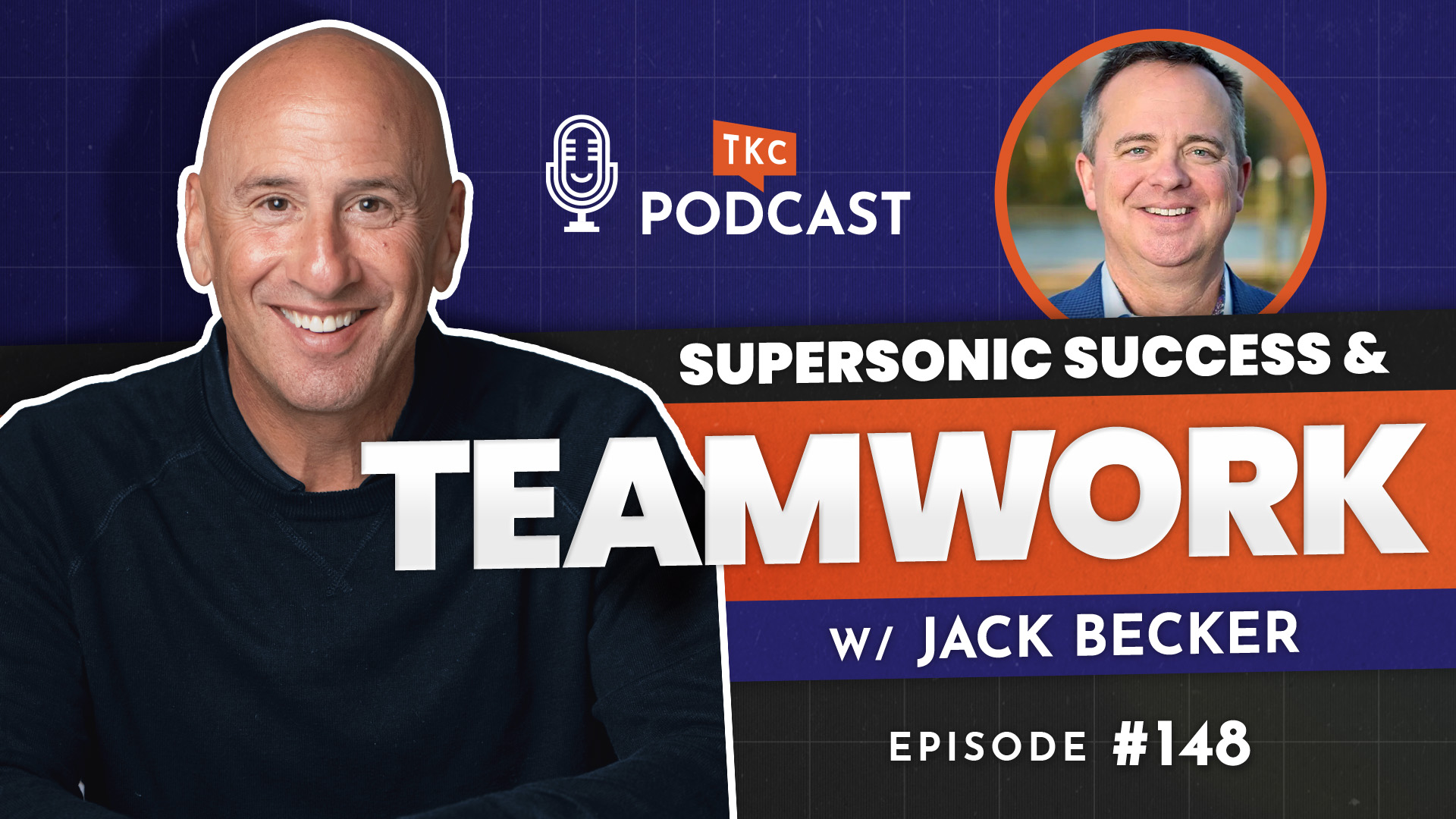
December 11, 2025How Elite Teams Prevent Catastrophic Failures Before They Happen (Teamwork Lessons From a Fighter Pilot)
Navy fighter pilot Jack Becker reveals how elite teams catch errors fast, protect blind spots, and perform under pressure using proven teamwork strategies.
When Teamwork Isn’t Optional, It’s Survival
Picture this: you’re landing a 44,000-pound supersonic jet on a moving aircraft carrier at night, and the deck is pitching in rough seas. There’s no room for error, additionally there’s no second chance. In that moment, teamwork isn’t a corporate buzzword plastered on motivational posters—it’s the difference between mission success and catastrophe.
That’s the world teamwork keynote speaker Jack Becker lived in for years as a decorated U.S. Navy F/A-18 Super Hornet fighter pilot. But here’s what makes his perspective invaluable for meeting planners and business leaders: the same principles that keep pilots alive at 30,000 feet are the exact ones that separate high-performing organizations from those that crash and burn during critical moments.
In this conversation, Jack breaks down how elite teams protect each other’s blind spots, fix small errors before they become disasters, and maintain elite performance when pressure mounts. Whether you’re coordinating a multi-day conference, managing cross-functional projects, or building cultures where people actually speak up, these insights will transform how your team operates. Because real teamwork isn’t about trust falls—it’s about creating systems where everyone protects everyone else, even when ego and hierarchy get in the way.
? Watch and listen to the podcast episode: YouTube • Spotify • Apple Podcasts • Amazon Music
When Teamwork Isn’t Optional, It’s Survival
Picture this: you’re landing a 44,000-pound supersonic jet on a moving aircraft carrier at night, and the deck is pitching in rough seas. There’s no room for error, and there’s no second chance. In that moment, teamwork isn’t a corporate buzzword plastered on motivational posters—it’s the difference between mission success and catastrophe.
That’s the world teamwork keynote speaker Jack Becker lived in for years as a decorated U.S. Navy F/A-18 Super Hornet fighter pilot. But here’s what makes his perspective invaluable for meeting planners and business leaders: the same teamwork principles that keep pilots alive at 30,000 feet are the exact ones that separate high-performing organizations from those that crash and burn during critical moments.
In this conversation, Jack breaks down how elite teams protect each other’s blind spots, fix small errors before they become disasters, and maintain elite performance when pressure mounts. Whether you’re coordinating a multi-day conference, managing cross-functional projects, or building cultures where people actually speak up, these teamwork insights will transform how your team operates. Because real teamwork isn’t about trust falls—it’s about creating systems where everyone protects everyone else, even when ego and hierarchy get in the way.
The Myth of the Solo Performer
We love the image of the lone hero. The star quarterback. The visionary CEO. The ace pilot streaking across the sky. It’s compelling, dramatic, and completely misleading about how successful teamwork actually functions.
Jack Becker shatters this illusion immediately. When he climbs into that F/A-18 cockpit, he’s not alone. Behind that single-seat fighter jet is an entire ecosystem of teamwork—maintainers who’ve checked every system, Landing Signal Officers (LSOs) guiding him back to the carrier deck, air traffic controllers managing the airspace, fellow pilots flying wing, and mission planners coordinating the entire operation. As a result, what looks like individual brilliance is actually a masterclass in coordinated teamwork.
This matters for meeting professionals because we make the same mistake constantly. We celebrate the keynote speaker on stage, the event producer who pulled off the impossible, or the sales executive who closed the deal, yet we ignore the dozens of people whose teamwork made that moment possible. The AV crew who prevented technical disasters. The registration team handled last-minute changes through effective teamwork. The support staff solved problems before attendees even noticed them.
Jack’s insight challenges us to rethink how we structure recognition and support systems. Your highest-visibility people—whether they’re presenting at your annual conference or leading your most important client relationships—need the same kind of built-in backup that keeps pilots safe through coordinated teamwork. That means assigning clear roles, establishing communication protocols, and creating redundancy so no single person becomes a critical point of failure.
Meeting planners especially understand this dynamic. You’ve experienced events where one person’s mistake cascaded into chaos because no one else knew how to catch it. Conversely, you’ve seen teams where someone spots a registration error at 6 AM and quietly fixes it before breakfast service. That’s not luck, it’s intentional teamwork design from the ground up.
The Wingman Mentality That Saves Lives
In aviation, the wingman concept goes far beyond flying in formation. It’s a fundamental philosophy of teamwork: you are responsible for watching your teammate’s blind spots while they watch yours. This isn’t casual observation, it’s active protection that defines elite teamwork.
Jack explains that when pilots fly together, they’re constantly demonstrating teamwork by cross-checking each other’s instruments, scanning for threats the other person might miss, and verifying decisions before they become irreversible. If your wingman drifts off course, you speak up immediately. If they’re about to make a dangerous maneuver, you intervene without hesitation through this teamwork framework. There’s no “not my job” mentality at 500 knots.
This creates a culture where catching someone’s error isn’t criticism—it’s your obligation within the teamwork structure. In fact, not speaking up when you see a problem is the real failure. Imagine transplanting this mindset into your organization. Instead of siloed departments where mistakes get discovered only after damage is done, you’d have teams where employee engagement means actively looking for ways to support each other through genuine teamwork.
For event professionals, this translates directly to how you structure your teams during critical phases. During load-in, does everyone understand their teamwork responsibility extends to safety issues even outside their specific role? During registration, can your volunteer coordinator spot a catering problem and alert the right person? During the keynote, is your AV technician empowered to interrupt a speaker if equipment is failing?
The wingman mentality requires two things: clear expectations that everyone owns collective success, and psychological safety so people can speak up without fear. Jack emphasizes that in military aviation, rank matters for decision-making, but anyone can call out a safety issue. The newest pilot can tell a squadron commander they’re about to make a mistake, and that’s not only accepted—it’s expected within their teamwork culture.
Why Your Team Keeps Repeating the Same Mistakes
Here’s a question that should make every meeting planner uncomfortable: How many times have you experienced the same avoidable problem at consecutive events? The registration software that crashes under load. The AV setup that takes twice as long as scheduled. The catering change that doesn’t get communicated to the kitchen. These failures often point to gaps in your teamwork processes.
Jack Becker has a simple explanation for why this happens: you’re not debriefing properly. Or more likely, you’re not debriefing at all, which means your teamwork can’t improve systematically.
In Navy fighter squadrons, the debrief is sacred to their teamwork excellence. After every single flight—training or combat, successful or challenging—the entire team sits down and methodically reviews what happened. Not to assign blame, but to strengthen teamwork by extracting lessons. They watch video footage of the mission, discuss decision points, identify errors, and determine what needs to change. This happens within hours of landing, while memories are fresh and emotions are still real.
The kicker? The most junior person speaks first. This prevents the senior officer’s opinion from influencing everyone else’s assessment. It creates space for uncomfortable truths to surface. And it reinforces that leadership means being vulnerable enough to acknowledge your own mistakes publicly, which strengthens overall teamwork.
Compare this to how most organizations handle crisis management and post-event reviews. If they happen at all, they’re often superficial—a quick email asking for feedback, a brief team meeting where everyone says “good job,” or a lessons-learned document that gets filed away and never referenced. Consequently, you repeat the same mistakes because you haven’t created a systematic process to prevent them through better teamwork.
Jack’s debrief model offers a practical framework you can implement immediately to improve teamwork. Within 48 hours of your event, gather the core team for a structured review. Start with objective data: what actually happened, timeline by timeline. Then move to analysis: where did we drift from the plan, and why? Next, identify specific errors and near-misses. Finally, create concrete action items for the next event.
The key is psychological safety. If people fear retribution for honesty, they’ll protect themselves instead of protecting the team. Jack learned this flying combat missions where lives literally depended on transparent communication and solid teamwork. Your events might not involve life-or-death stakes, but the principle holds: teams that debrief honestly improve exponentially faster than teams that protect egos.
Meeting planners who adopt this practice report dramatic improvements in productivity and problem-solving through enhanced teamwork. They stop relitigating the same issues year after year. They build institutional knowledge that survives staff turnover. And they create cultures where people actually want to surface problems early because they know the response will be constructive rather than punitive.
The Dangerous Dance Between Ego and Vulnerability in Teamwork
One of Jack Becker’s most powerful insights involves a paradox: elite performers need both supreme confidence and radical vulnerability. Too much ego, and you stop learning. Too much self-doubt, and you can’t perform under pressure. The magic happens when teams master both simultaneously through balanced teamwork.
Fighter pilots embody this balance beautifully. They must have absolute confidence in their skills to execute complex maneuvers in dangerous conditions, yet they must also be willing to admit mistakes immediately and learn from junior teammates. This isn’t weakness—it’s the ultimate expression of professional maturity and advanced teamwork.
Jack describes how senior pilots in his squadron would openly discuss their errors in debriefs, modeling vulnerability for younger aviators. A squadron commander might say, “I completely missed that visual cue on approach, and it nearly caused a dangerous situation. Here’s what I should have done differently.” This transparency doesn’t diminish respect, in other words, it increases it because everyone recognizes the courage required to acknowledge imperfection publicly.
Contrast this with typical corporate environments where leaders pretend to have all the answers, mistakes get minimized or blamed on others, and asking for help is perceived as incompetence. These cultures create massive blind spots because people hide problems until they become crises. The impact on professional development is devastating—people can’t improve if they’re too afraid to admit what they don’t know, and teamwork becomes performative rather than functional.
For meeting planners, this balance is particularly crucial because events involve so many moving parts and unexpected challenges. You need confidence to make quick decisions under pressure, for instance, when a keynote speaker’s flight is delayed and you’re scrambling to adjust the agenda. But you also need the vulnerability to say, “I don’t know the best solution here—who has ideas?” or “I made the wrong call earlier, and here’s what we’re doing to fix it.”
Jack emphasizes that creating this culture starts with leadership. If you’re managing an events team, your willingness to model vulnerability gives everyone else permission to be honest. Share your mistakes openly. Ask for input on difficult decisions. Celebrate team members who raise concerns before they become disasters. This builds the psychological safety that elite teamwork requires to function at peak levels.
The business impact is measurable. Organizations with psychologically safe cultures innovate faster, retain talent better, and respond to challenges more effectively through superior teamwork. They don’t waste energy on political maneuvering or blame games. Instead, they channel that energy into actual problem-solving and continuous improvement.
Flattening Communication Hierarchies for Better Teamwork
Hierarchy kills effective collaboration when it prevents critical information from flowing freely. Jack Becker learned this lesson across multiple high-stakes industries—military aviation, commercial airlines, and healthcare—where communication failures cause preventable tragedies and where restoring open teamwork communication saves lives.
The classic example: a junior crew member notices a serious problem but doesn’t speak up because they assume the senior person must know better, or they fear looking foolish, or they’ve been conditioned not to question authority. Minutes later, disaster strikes. Post-incident investigations consistently reveal that someone saw the warning signs but stayed silent, breaking the teamwork chain.
Aviation has worked hard to flatten communication hierarchies through Crew Resource Management (CRM) training. Jack was one of the Navy’s top CRM instructors, and he explains how the philosophy revolutionized safety through better teamwork. The core principle is simple: everyone on the team has both the authority and the obligation to speak up about safety concerns, regardless of rank.
This doesn’t eliminate hierarchy for decision-making. The captain still commands the ship, and the squadron leader still has final authority. However, it creates explicit channels and expectations for upward communication that strengthen teamwork. A junior pilot can challenge a senior officer’s decision using structured phrases like “I’m concerned about…” or “I recommend we reconsider…” These protocols remove the personal awkwardness and make it clear that raising concerns is professional behavior, not insubordination.
Jack points to healthcare as another field that’s embraced these principles for better teamwork. Operating rooms now use standardized callouts where any team member can stop a procedure if they notice something wrong. A surgical nurse can halt a surgeon if they’re about to make an error. This has saved countless lives by recognizing that the person with the most specialized knowledge in a given moment might not be the person with the highest rank.
Meeting planners can implement these same safeguards. Create explicit permission for anyone on your team to raise concerns during critical event phases. Teach structured communication methods so people have language for uncomfortable conversations. For example, “I want to make sure we’re aligned on…” or “Before we proceed, I noticed…” These phrases make it easier to speak up without triggering defensiveness.
Think about your own events. How often has a temporary staff member, venue coordinator, or junior team member noticed a problem early but didn’t speak up because they didn’t think it was their place? How much time and money have you lost because information stayed trapped at lower levels until it became an emergency?
Jack’s experience with strategy in high-pressure environments shows that your competitive advantage isn’t just hiring smart people—it’s creating systems where every person’s intelligence actually gets utilized through effective teamwork. The quietest person in your planning meeting might have the insight that prevents your biggest failure, but only if you’ve built a culture where they feel empowered to share it.
This connects directly to the future of work that organizations are trying to build. Younger professionals expect to be heard regardless of tenure. Remote and hybrid teams need explicit communication protocols to function effectively. Diverse teams bring valuable perspectives only if those perspectives are actually welcomed. Flattening communication isn’t just good for safety—it’s essential for engagement, innovation, and retention in modern teamwork environments.
Training for Turbulence Before the Storm Hits
Jack Becker shares a crucial insight about carrier operations: pilots don’t just practice perfect landings in ideal conditions. They specifically train for the worst possible scenarios—night landings in rough seas, limited visibility, equipment failures, and compounding emergencies. Because when everything goes smoothly, you don’t need elite skills. You need elite teamwork skills when conditions deteriorate and margins disappear.
This philosophy transforms how organizations think about preparation. Most companies train for normal operations and hope they can figure out crisis response when needed. Elite teams do the opposite. They systematically practice responding to things going wrong so those responses become automatic under pressure, building resilient teamwork.
Jack describes how his squadron would deliberately introduce complications during training flights. Equipment malfunctions. Communication failures. Unexpected weather changes. Time pressure. These weren’t sadistic exercises; they were essential preparation for real combat missions where everything goes wrong simultaneously, and you still have to complete the objective through solid teamwork.
For meeting planners, this approach revolutionizes how you prepare teams. Instead of just reviewing the event schedule and hoping for the best, you actively train for likely failure scenarios. What happens if your keynote speaker’s presentation file won’t load five minutes before they go on stage? What’s your response if registration lines are twice as long as expected? How do you handle a fire alarm during your general session?
The power comes from practicing these responses before they’re needed. Run tabletop exercises where you present scenarios and the team walks through their response, building teamwork muscle memory. Conduct actual drills during setup day. Create decision trees for common crises so people know exactly who does what. This preparation means that when inevitable problems arise during your event, your team responds with confidence instead of panic.
Jack emphasizes that this kind of training also builds trust within teams. When you’ve practiced handling chaos together, you develop confidence in each other’s abilities. You know your colleague will catch your error. You trust your leader to make good decisions under pressure. You believe your team will support you if you need help. That trust becomes the foundation for exceptional performance when it matters most.
This connects to how organizations think about business resilience and adaptability. Companies that train only for success struggle when markets shift, competitors emerge, or crises hit. Companies that train for adversity build muscles they can flex when conditions change through practiced teamwork. They’re not hoping they can figure it out—they’ve already practiced the response.
The meeting industry experienced this dramatically during the pandemic. Organizations that had practiced adaptability, built strong team communication, and trained for unexpected changes pivoted successfully to hybrid and virtual events. Organizations that had optimized only for the status quo struggled because they’d never developed those resilience muscles or tested their teamwork under real pressure.
Jack’s military background also informs his perspective on personal development and growth. Elite performers don’t avoid difficult situations—they actively seek them out as training opportunities. They don’t wait for challenges to appear, they create challenges that stretch their capabilities. This mindset shift transforms how you approach professional growth for yourself and your team.
The Hypoxia Moment When Your Wingman Saves Your Life
Jack shares a gripping personal story that crystallizes everything about wingman culture and team protection. During a training flight, he began experiencing hypoxia—a dangerous condition where your brain isn’t getting enough oxygen. The insidious thing about hypoxia is that you don’t realize it’s happening. You feel fine even as your cognitive function deteriorates and you make increasingly poor decisions.
But his wingman noticed through vigilant teamwork. Subtle changes in Jack’s flying. Responses that didn’t quite make sense over the radio. Small deviations that individually seemed insignificant but together painted a concerning pattern. His wingman immediately intervened, guided Jack through the proper procedures, and helped him recover before the situation became critical.
This story illustrates several profound lessons about effective collaboration. First, protection requires attention. Jack’s wingman wasn’t just flying his own jet—he was actively monitoring Jack’s performance and looking for warning signs through committed teamwork. Second, early intervention matters. Small problems caught early stay small. Third, trust enables acceptance. Jack didn’t get defensive when his wingman intervened because that’s exactly what wingmen are supposed to do.
Now translate this to your organization. How often are your team members so focused on their own tasks that they don’t notice when a colleague is struggling? How often do small warning signs get ignored until they become obvious crises? How often do people resist help because accepting it feels like admitting failure?
Creating a culture where people actively watch out for each other requires explicit expectations and practice. It means scheduling regular check-ins where you genuinely assess how team members are doing. It means training people to recognize early warning signs of burnout, overwhelm, or disengagement. And it means responding supportively when someone raises concerns instead of dismissing them.
For meeting planners managing complex events with multiple simultaneous workstreams, this vigilance is essential. Your registration lead might be drowning but not asking for help. Your AV coordinator might be making errors because they’re exhausted. Your volunteer coordinator might have spotted a safety issue but isn’t sure who to tell. Elite teams catch these situations before they escalate because everyone is watching everyone else’s back through active teamwork.
Jack’s hypoxia story also highlights the importance of having clear protocols for intervention. His wingman didn’t have to invent a response in the moment—there was a well-established procedure for handling suspected hypoxia. Similarly, your team needs clear escalation paths and response protocols so people know exactly what to do when they spot a problem.
The Brief-Execute-Debrief-Perfect Cycle That Drives Continuous Improvement
At the heart of Jack Becker’s leadership philosophy is a four-step cycle that elite teams use to improve relentlessly: Brief-Execute-Debrief-Perfect. This isn’t a one-time exercise; it’s a continuous loop that happens before and after every mission, every event, every significant undertaking, constantly refining teamwork.
The Brief phase is where teams align on objectives, roles, potential challenges, and decision criteria. This isn’t just reviewing logistics, it’s creating shared mental models so everyone understands not just what needs to happen but why those things matter and how they connect. For fighter pilots, this means reviewing the mission plan, discussing threats, establishing communication protocols, and confirming what success looks like.
The Execute phase is where plans meet reality. Teams perform their roles while remaining adaptable to changing conditions. Communication flows continuously. People watch for deviations from the plan and adjust as needed. The key is maintaining situational awareness—understanding what’s happening right now while keeping the bigger picture in mind through coordinated teamwork.
The Debrief phase is where learning happens. Teams review what actually occurred, compare it to what was planned, identify successes to replicate and errors to eliminate, and extract specific lessons. Jack emphasizes brutal honesty here—no sugarcoating, no politics, just objective assessment of performance.
The Perfect phase is where lessons become changes. Teams update procedures, modify training, improve equipment, or adjust how they communicate. This isn’t about achieving perfection in the absolute sense, it’s about making each iteration better than the last through systematic refinement.
Meeting planners can implement this exact cycle to improve their teamwork. Before your event, conduct thorough briefings where everyone understands their roles, potential challenges, and how to handle likely scenarios. During the event, maintain strong communication and adaptability. After the event, hold honest debriefs while memories are fresh. Then make specific changes to improve next time.
The magic is in the repetition. One debrief might catch a few issues. Ten debriefs start revealing patterns. A hundred debriefs build institutional knowledge that dramatically elevates your entire organization’s capability through systematic teamwork improvement. This is how Jack’s squadron achieved over 21,000 mishap-free carrier landings—not through luck, but through disciplined improvement cycles.
This methodology also addresses a common challenge in events: high turnover and inconsistent documentation. When you systematically capture lessons and update procedures after each event, knowledge transfers effectively even when people leave. New team members inherit the accumulated wisdom of hundreds of previous events instead of starting from scratch.
What Call Signs Reveal About Culture and Identity
Jack shares the story behind his call sign “Mordo,” revealing unexpected insights about team culture and identity. In military aviation, call signs aren’t chosen by the pilots themselves—they’re given by squadronmates, often commemorating mistakes, embarrassing moments, or personality quirks. This tradition might seem like hazing, but it actually serves important purposes for team cohesion and effective teamwork.
First, it reinforces humility. No one gets to craft their own heroic identity. Your call sign comes from how others see you, keeping egos in check. Second, it creates belonging through shared stories. Every call sign has a story, and those stories become part of the squadron’s collective memory. Third, it establishes equality through humor. The newest pilot and the squadron commander both have call signs, creating a level of camaraderie across ranks.
Jack’s call sign, “Mordo,” came from a mishap that could have been embarrassing but instead became a bonding moment. This ability to laugh at yourself while taking your responsibilities seriously is a hallmark of high-performing teams. They don’t take themselves too seriously even while taking their mission extremely seriously.
For meeting planners and business teams, this suggests creating informal traditions that build identity and cohesion. Maybe it’s nicknames based on memorable event moments. Maybe it’s stories that get retold and become part of your organizational culture. Maybe it’s inside jokes that only people who’ve been through tough events together truly understand.
The key is that these cultural elements can’t be manufactured from above—they emerge organically from shared experiences. What you can do as a leader is create space for that culture to develop by bringing teams together regularly, celebrating not just successes but also the interesting failures, and encouraging the storytelling that builds collective identity and strengthens teamwork bonds.
Bringing Fighter Squadron Principles to Your Next Event
Teamwork keynote speaker Jack Becker offers meeting professionals a blueprint for transforming how teams prepare, execute, and improve. His insights aren’t theoretical—they’re battle-tested principles from environments where communication failures have life-or-death consequences and where exceptional teamwork is non-negotiable.
The most powerful lesson is this: elite collaboration isn’t about getting along or feeling good. It’s about building systems where people actively protect each other, speak uncomfortable truths quickly, learn relentlessly from mistakes, and perform exceptionally when pressure mounts through disciplined teamwork. These capabilities don’t emerge accidentally; they result from intentional design, consistent practice, and leadership that models vulnerability alongside confidence.
Your next event is an opportunity to implement these principles. Brief your team thoroughly. Execute with strong communication and mutual support. Debrief honestly within 48 hours. Perfect your processes based on what you learned. Then repeat the cycle. Each iteration builds capability, trust, and resilience that compound over time through improved teamwork.
The meeting industry faces increasing complexity—hybrid formats, evolving attendee expectations, tighter budgets, and higher stakes that demand better teamwork. Organizations that treat teamwork as a soft skill they can ignore will struggle. Organizations that adopt the disciplined, systematic approach Jack describes will thrive because they’re building the operational excellence that separates good events from exceptional ones.
Jack’s journey from carrier decks to corporate keynotes demonstrates that these principles work across contexts. Whether you’re landing jets or planning conferences, the fundamentals of successful teamwork remain constant: clear communication, mutual support, honest assessment, and continuous improvement. The question isn’t whether these principles are valid—decades of aviation safety data and business performance research confirm they are. The question is whether you’re willing to implement them consistently, even when it requires uncomfortable changes to how your team operates.
Your Next Mission Briefing
Ready to build teams that protect each other’s blind spots and perform under pressure through exceptional teamwork? The strategies Jack Becker shares work because they’re designed for environments where failure isn’t an option and improvement isn’t negotiable.
Book Jack Becker for your next conference and give your team the fighter squadron mindset that turns good performers into elite operators.
Explore more speakers who can transform how your organization approaches teamwork, leadership, and elite performance at thekeynotecurators.com.
Schedule a 15-minute discovery call to discuss how the right keynote speaker can deliver measurable impact for your 2026 events: calendly.com/thekeynotecurators/15min.
Email for immediate assistance with speaker selection, programming strategy, or event design: info@thekeynotecurators.com.
Watch the full interview with Jack Becker to hear more about carrier landings, crisis management, and building teams that excel when the stakes are highest.
Discover More Insights





Get in TouchContact US
Fill out the form so we can best understand your needs.
A representative from The Keynote Curators will reach out to you.
Our Services
Keynote Speakers Topics
© 2026 The Keynote Curators. All Rights Reserved | Terms and Conditions
The Keynote Curators, 8275 South Eastern Avenue, Suite 200, Las Vegas, NV 89123
Local (310) 299-4595 | Toll Free (888) 585-8715 | info@thekeynotecurators.com
The Keynote Curators - Top Keynote Agency, USA.