
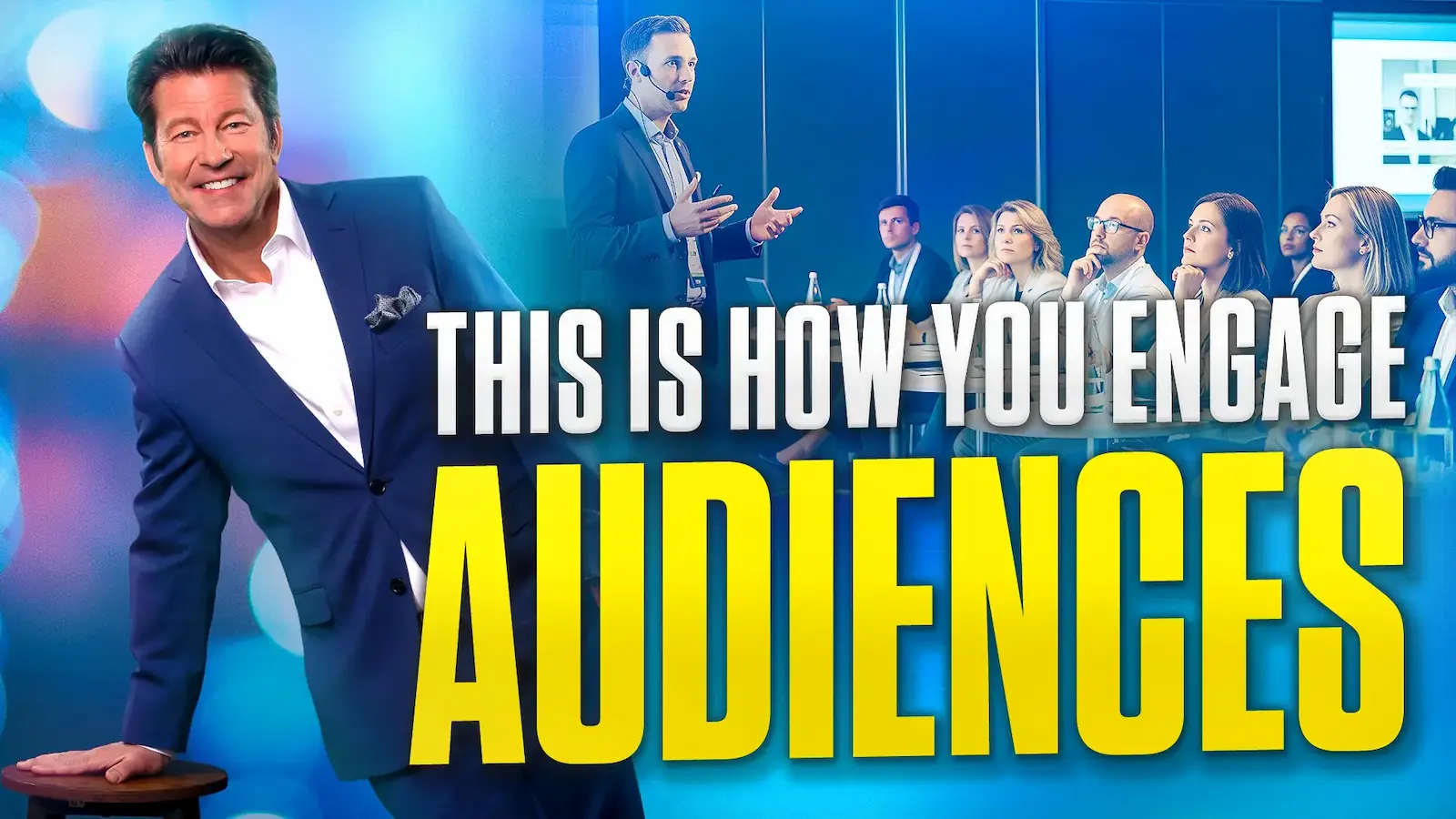
January 5, 2026How Pros Stay Steady To Engage & Interact With Their Event’s Audience
Stop second-guessing your audience's reactions. Learn how veteran emcee Scott Bloom reads rooms without losing confidence during live events.
When the Room Goes Silent and Your Confidence Wavers
You’re on stage, delivering what you thought was your strongest material. The joke lands flat. Additionally, the energy you felt at your last three events seems completely absent from this room. That anxious voice in your head starts whispering: “This isn’t working.”
Here’s what most speakers get wrong in that exact moment. They assume the silence means failure, consequently abandoning their carefully prepared content and scrambling to fix something that might not actually be broken. After hosting hundreds of corporate events for companies like FedEx, Ford, IBM, and Verizon over two decades, comedy & humorist keynote speaker Scott Bloom has learned the counterintuitive truth about audience reactions.
The biggest mistake isn’t about your material or delivery. It’s about trusting what you think you’re seeing instead of trusting what you actually know. This blog post reveals how professional speakers and emcees maintain confidence when audience energy doesn’t match expectations, providing actionable strategies that transform those nerve-wracking moments into opportunities for genuine connection.
? Watch and listen to the full interview about how to engage your audience here
The Unexpected Moments That Define Professional Emcees
Live events are inherently unpredictable. Moreover, the best moderator, host & emcee professionals understand that unexpected situations aren’t disruptions but rather part of the territory. Scott Bloom shares a perspective that transforms how you approach these challenges: “This is a live show. Anything can happen.”
When a speaker doesn’t show up backstage on time, or when technical difficulties derail the planned flow, Scott doesn’t panic. Instead, he relies on what he calls his “common material” bank. This isn’t just about having backup jokes ready. Specifically, it’s about building a versatile toolkit of content that works across different contexts and audience types.
The key to handling unexpected curveballs lies in preparation that doesn’t feel rigid. Scott explains his approach: “I have a lot of material, I have a lot of common material, so I could always jump into something.” This strategy serves dual purposes for audience engagement. First, it gives you confidence knowing you’re never truly stuck without content. Second, it allows you to adapt seamlessly without the audience sensing any disruption.
Professional emcees working in the business world understand that corporate audiences notice authenticity. When you’re scrambling or visibly uncomfortable, that energy permeates the room. However, when you transition smoothly through unexpected moments, audiences perceive you as competent and trustworthy. This perception directly impacts how they receive your message and engage with your content throughout the event.
Building this kind of adaptability requires intentional practice. Start by identifying five to seven pieces of content that work regardless of industry or audience composition. These might include universal observations about workplace dynamics, relatable stories about communication challenges, or humorous takes on common business experiences. Furthermore, practice transitioning into these pieces from various starting points so you can deploy them naturally when needed.
Why Silence Doesn’t Signal Disaster
The quantum paradox of audience energy creates one of the most challenging mental traps for speakers. You’re standing on stage, consequently hyper-aware of every facial expression and body language cue. The audience seems quieter than you expected. Your brain immediately jumps to the worst conclusion: they’re not engaged, they don’t like the content, you’re bombing.
Scott Bloom challenges this assumption completely. “You could be reading the room and not relying on the room,” he explains. This distinction represents a fundamental shift in how speakers approach audience assessment. Reading the room means staying aware of audience cues and energy levels. Nevertheless, relying on the room means letting those observations dictate your confidence and performance quality.
The difference matters enormously for maintaining composure during presentations. When you rely too heavily on immediate audience feedback, you create a feedback loop that can spiral quickly. One person checking their phone makes you nervous, which affects your delivery, which makes another person disengage, which increases your anxiety further. In contrast, when you trust your material while simultaneously staying aware of the room, you maintain steady energy regardless of momentary fluctuations in audience response.
This approach aligns with Scott’s philosophy: “I know what’s going on, but I’m not gonna determine whether I’m doing well based on how they’re feeling.” For instance, corporate audiences often process information differently than comedy club crowds. A silent audience in a sales training session might be deeply engaged, mentally applying concepts to their specific challenges rather than providing visible reactions.
Scott’s experience working with companies like PepsiCo, Pfizer, and Verizon taught him that different industries and organizational cultures shape how audiences express engagement. Financial services audiences might remain stoic while fully absorbing content. Tech company crowds might multitask on devices without disengaging from your message. Entertainment industry professionals might offer enthusiastic reactions but process information more superficially.
Understanding these dynamics prevents you from misinterpreting silence as disinterest. Some of the most impactful presentations receive minimal in-the-moment reactions because audiences are thinking deeply rather than responding superficially. The standing ovation at the end or the thoughtful questions during Q&A reveal the true engagement that quiet body language concealed throughout your talk.
Trusting Your Professional Experience Over Momentary Doubt
The internal battle between confidence and doubt intensifies when the audience energy doesn’t match your expectations. You’ve delivered this content successfully dozens of times. Therefore, you know it works. Yet something feels different today, and your brain searches desperately for explanations.
This is where professional speakers separate themselves from amateurs. Audience engagement expert Scott Bloom has developed what he calls “earned confidence” through thousands of events across two decades. This confidence doesn’t come from arrogance or ignoring feedback. Rather, it comes from trusting the process you’ve refined through extensive experience.
When you’ve tested material across diverse audience types and consistently seen positive outcomes, you develop evidence-based confidence in your content. One quiet room doesn’t invalidate twenty successful presentations. Accordingly, professional speakers like Scott maintain their delivery quality and energy even when immediate feedback seems lukewarm.
This trust extends beyond just the content itself to encompass your entire approach. Scott’s background spans comedy clubs, VH1 television series, and Grammy Awards simulcasts from the Palace Theatre. Such varied experience taught him that audience dynamics shift based on countless variables beyond your control. The time of day matters. Whether the audience has just returned from lunch makes a difference. If your presentation follows particularly engaging or particularly boring content affects their energy.
None of these factors reflects on your quality as a speaker. Thus, trusting your professional experience means recognizing that you’re delivering the same high-quality content regardless of the circumstances you didn’t create. Your job involves maintaining excellence in your controllable elements while adapting gracefully to variables beyond your influence.
Scott’s reputation as someone who “never misses a beat” comes partly from this unwavering trust in his preparation. Clients describe him as “smart, funny, clea,n and always engaging” because he doesn’t let momentary audience uncertainty shake his confidence. That stability creates a positive feedback loop where your steady energy eventually brings the audience along rather than allowing their initial energy to drag you down.
Building this level of trust requires documenting your successes. Keep testimonials from previous events accessible for review before presentations. Track the positive outcomes your content produces regardless of in-the-moment audience reactions. Record yourself presenting so you can objectively assess your delivery quality independent of audience energy. These practices build evidence that supports trusting yourself when doubt creeps in.
The Art of Reading Rooms Without Losing Yourself
Professional employee engagement speakers master a delicate balance. They remain acutely aware of audience dynamics while maintaining their core identity and approach. This balance represents perhaps the most sophisticated skill in the speaking profession because it requires simultaneous attention to external factors and internal stability.
Scott Bloom describes this as being able to “walk and talk the corporate brand and business” while remaining authentically himself. His comedic routines, built around company culture and corporate environment,s demonstrate this integration. He’s not performing generic material with company names swapped in. Similarly, he’s not abandoning his comedic voice to become a corporate robot. Instead, he finds the intersection where his authentic style serves the audience’s specific needs.
This approach requires extensive preparation before you ever step on stage. Scott is described as “a quick study,” but that quickness comes from a systematic process of understanding each client’s culture, challenges, and goals. When you invest time learning about your audience beforehand, you can adapt in real-time without losing your footing.
The preparation creates room for genuine responsiveness during the actual presentation. For example, if you notice the audience responding particularly well to stories about workplace collaboration challenges, you can lean into that theme. If technical content seems to resonate more than humor at a particular moment, you can adjust your ratio accordingly. These adaptations happen naturally when you’re reading the room without depending on it for your sense of competence.
Scott’s ability to turn “any unexpected moment on stage into corporate gold” stems from this balanced awareness. He notices what’s happening, processes it quickly, and responds authentically without second-guessing his overall approach. When something unexpected occurs, he doesn’t interpret it as failure requiring complete course correction. Rather, he sees it as an opportunity to demonstrate adaptability while maintaining his core message.
This perspective transforms how you experience those challenging moments on stage. Instead of thinking “I need to fix this immediately,” you approach it as “I notice this dynamic, and here’s how I’ll incorporate it.” The shift from reactive panic to responsive adaptation changes everything about your audience engagement quality.
Developing this skill requires practice in lower-stakes environments. Record yourself presenting and watch specifically for moments where you stayed true to your style while adapting to audience cues. Seek feedback from trusted colleagues about whether your adaptations feel natural or forced. Over time, you build the muscle memory that allows real-time adjustments without losing your authentic voice.
Building Versatile Material for Any Room Dynamic
The foundation of confident audience engagement rests on having content that works across various scenarios. Scott Bloom’s extensive material bank allows him to “vamp for a little while” when unexpected situations arise without the audience sensing any concern. This versatility doesn’t happen accidentally but rather through intentional content development and testing.
Creating versatile material starts with identifying themes that resonate universally across industries and organizational cultures. While you might customize specific examples or references for each client, the underlying observations about human behavior, workplace dynamics, and business challenges should apply broadly. Media appearances, corporate events, and comedy stages all taught Scott which material transcends specific contexts.
The key involves finding what communications experts call “universal particulars.” These are specific stories or observations that feel particular enough to be authentic and relatable, yet address experiences common enough that diverse audiences see themselves reflected. For instance, everyone has experienced miscommunication with colleagues, even though the specific circumstances vary widely. A well-crafted story about miscommunication resonates with finance professionals and creative teams alike.
Testing material across different audience types reveals what truly works universally versus what requires heavy customization. Scott’s experience with companies ranging from FedEx to Pfizer to MetLife provided this testing ground. When a piece of content works equally well for logistics professionals and pharmaceutical executives, you know you’ve found genuinely versatile material worth keeping in your core toolkit.
Beyond just having versatile content, professional speakers develop multiple entry points into their material. You need to access your best content from various starting positions depending on where the conversation or presentation takes you. This requires mapping out your content library in a way that allows quick mental access during live events.
Think of your material as a network rather than a linear path. From any given point, you should be able to transition smoothly to several different pieces depending on audience response and event dynamics. This networked approach prevents you from feeling trapped in a predetermined sequence that might not be working in the moment.
Scott’s reputation for flawless transitions and introductions comes from this systematic organization of his content. He’s not improvising randomly when unexpected moments occur. Instead, he’s accessing carefully prepared material through practiced pathways that feel spontaneous to audiences but represent deliberate skill development behind the scenes.
When Quiet Audiences Reveal Deep Engagement
The most counterintuitive lesson from Scott Bloom’s decades of experience challenges our assumptions about what engaged audiences look like. We expect laughter, applause, and visible enthusiasm. However, the audiences that seem the toughest or quietest often turn out to be the ones who need your message most urgently.
This phenomenon occurs because deep processing sometimes looks like disengagement on the surface. When audience members are truly wrestling with how your content applies to their specific challenges, they might appear distant or preoccupied. They’re not disengaged but rather actively engaged in internal dialogue about implementation and application.
Corporate audiences in particular often exhibit this pattern. During a session on workplace culture transformation, for instance, leaders might sit quietly calculating the implications for their departments rather than providing enthusiastic reactions. Their silence doesn’t indicate boredom but concentration. In fact, it often signals that your content hit close enough to home that they’re doing the hard work of honest self-assessment.
Scott has learned to recognize these moments and trust them rather than misinterpreting them as failure. “I’m not gonna determine whether I’m doing well based on how they’re feeling,” he explains. This detachment from immediate validation allows him to maintain quality delivery even when the room feels heavy or quiet.
The validation often comes later through unexpected channels. Post-event surveys reveal that the quiet audience members found tremendous value. Clients report significant behavior changes and improved outcomes in the weeks following your presentation. These delayed indicators of success matter more than in-the-moment applause, yet many speakers never connect the dots because they’ve already written off the “quiet” event as unsuccessful.
Professional keynote speakers, therefore, develop multiple metrics for assessing impact beyond immediate audience reaction. They track follow-up inquiries, implementation stories, and long-term client relationships rather than relying solely on how the room felt during the presentation itself. This broader perspective prevents momentary uncertainty from undermining your confidence or causing you to abandon approaches that actually work effectively.
Understanding this dynamic also helps you set realistic expectations before events. Not every audience will provide the energetic feedback that feels validating in the moment. Some of your most important work happens in rooms where people are processing seriously rather than responding enthusiastically. Knowing this in advance prevents you from panicking when you encounter that dynamic.
Practical Strategies for Maintaining Confidence Mid-Presentation
Translating Scott Bloom‘s insights into actionable strategies requires specific techniques you can deploy when doubt creeps in during live presentations. These aren’t theoretical concepts but practical tools that professional speakers use to stay grounded when audience energy doesn’t match expectations.
First, develop a pre-presentation ritual that anchors your confidence in preparation rather than audience reaction. Review your past successes, read recent testimonials, or remind yourself of the extensive testing your content has undergone. This creates a mental foundation independent of what happens in the upcoming room. When uncertainty arises mid-presentation, you can mentally return to this foundation rather than spiraling into doubt.
Second, practice what performers call “playing to the back of the room.” Instead of fixating on individuals who seem disengaged, identify one or two people who are clearly responding positively and use them as anchors. This doesn’t mean ignoring the rest of the audience, but rather ensuring you have positive reference points that prevent you from catastrophizing based on a few neutral faces.
Third, build in moments during your presentation where you can objectively assess engagement without relying on superficial cues. Ask direct questions that require a response. Include interactive elements that give you concrete data about understanding and interest. These touchpoints provide more reliable feedback than trying to interpret ambiguous body language while simultaneously delivering content.
Fourth, develop transition phrases that give you thinking time when you need to adapt. Scott’s extensive material allows him to pivot smoothly, but those pivots often include brief transitional moments where he’s reading the room and selecting his next direction. Having a few practiced transitions like “Let me give you another perspective on this” or “Here’s what that looks like in practice” creates space for strategic decisions without awkward pauses.
Fifth, record your presentations and review them afterward with specific attention to the disconnect between how you felt and what actually happened. You’ll often discover that moments where you felt uncertain don’t appear that way on video. The audience seems more engaged than you perceived in the moment. This evidence helps recalibrate your internal assessment system so it becomes more accurate and less prone to catastrophizing.
The Long-Term Benefits of Trusting Your Process
Building the kind of steady confidence Scott Bloom demonstrates doesn’t happen overnight, but it pays dividends throughout your entire speaking career. Clients describe Scott as someone who can be “trusted in front of any audience,” specifically because he’s developed this unshakeable foundation that weathered temporary uncertainty.
This trust creates a virtuous cycle in your professional development. When you maintain quality delivery regardless of momentary audience fluctuations, you collect more data about what actually works across diverse contexts. That data further reinforces your confidence, which improves your delivery, which generates more positive outcomes. Over time, you build a track record that makes temporary doubt easier to dismiss as noise rather than a signal.
The business impact matters significantly as well. Scott’s clients “continue to bring him back year after year” precisely because of this consistency. Meeting planners and event organizers value speakers who don’t require hand-holding or become visibly rattled by unexpected circumstances. When you demonstrate this level of professional composure, you become the safe choice for high-stakes events where reliability matters more than flash.
This reputation also allows you to command premium fees and work with premier clients. Organizations like FedEx, IBM, and Verizon invest in speakers who won’t fold under pressure or deliver inconsistent experiences based on variables beyond anyone’s control. Your ability to maintain excellence regardless of room dynamics becomes a valuable differentiator in a crowded speaking marketplace.
Perhaps most importantly, trusting your process reduces the emotional toll of professional speaking. The anxiety that comes from constantly second-guessing yourself based on audience reactions drains energy and diminishes your enjoyment of the work. When you develop Scott’s approach of reading the room without relying on it for validation, speaking becomes more sustainable and enjoyable long-term.
Your Next Steps Toward Unshakeable Audience Engagement
The journey from anxious speaker to confident professional doesn’t require dramatic personality changes or years of additional experience. Instead, it demands intentional practice of specific skills that separate reactive speakers from responsive professionals. Start by documenting your current material and identifying which pieces work across diverse contexts. Build your versatile content library systematically rather than starting from scratch every time.
Next, develop your pre-event research process so you understand each audience deeply before you arrive. This preparation creates the foundation for adaptation that doesn’t compromise your authentic voice. Record yourself presenting and review those recordings specifically for moments where you stayed grounded despite uncertainty. Celebrate those instances and study what allowed you to maintain confidence.
Most crucially, start reframing those challenging moments as data collection rather than failure. Every quiet room, every unexpected situation, every moment of doubt provides information about your process and areas for growth. Professional speakers like Scott Bloom reached their level of mastery by learning from thousands of varied experiences rather than avoiding uncertainty.
The audience engagement mistake that costs speakers their confidence isn’t about technique or timing. It’s about trusting momentary perceptions over proven preparation. When you shift from relying on the room to reading the room while trusting yourself, everything changes. The audiences that once seemed difficult become opportunities to demonstrate your professional depth. The unexpected moments that once triggered panic become chances to showcase adaptability.
Your audience needs what you bring to the stage. Sometimes they show it with enthusiastic reactions. Sometimes they show it with quiet concentration. Either way, trust that your preparation and experience are guiding you well. That trust transforms both your speaking career and the impact you create for every audience you serve.
Work with Proven Audience Engagement Experts
Ready to bring unshakeable professional emcee expertise to your next event? Scott Bloom has hosted hundreds of corporate events across two decades, maintaining confidence and excellence regardless of unexpected circumstances.
Schedule a consultation to discuss your event needs: Book a 15-minute call with The Keynote Curators
Connect directly about your speaking requirements: Email us at info@thekeynotecurators.com
Watch the complete conversation with Scott Bloom: View the full interview on YouTube
Explore Scott’s insights on event excellence: Listen to the No More Bad Events podcast featuring Seth Dechtman
Discover More Insights




Get in TouchContact US
Fill out the form so we can best understand your needs.
A representative from The Keynote Curators will reach out to you.
Our Services
Keynote Speakers Topics
© 2026 The Keynote Curators. All Rights Reserved | Terms and Conditions
The Keynote Curators, 8275 South Eastern Avenue, Suite 200, Las Vegas, NV 89123
Local (310) 299-4595 | Toll Free (888) 585-8715 | info@thekeynotecurators.com
The Keynote Curators - Top Keynote Agency, USA.