
Book Lee Rubin through The Keynote Curators
Biography
Lee Rubin is a keynote speaker and TEDx presenter known for his ability to help organizations understand the Five Components of Extraordinary Teams. For more than 30 years, he has been building high-performance teams in corporate America, professional associations, and the collegiate sports world, sharing a framework, mindset, and useful tools that help leaders transform a collection of talented individuals into an extraordinary, collaborative team.
Lee’s foundation in teamwork was established early at Penn State University, where he earned a bachelor’s degree in Speech Communications with a minor in Business. As a college athlete, he served as Captain of the Nittany Lions football team and was a three-year starting free safety, the 1994 Florida Citrus Bowl Defensive MVP, an All-Big Ten Conference selection, and an Honorable Mention All-American.
Following his academic success, Lee transitioned into the corporate world, with over sixteen years of experience as a Human Resources Executive for globally recognized corporations. This experience gave him a unique inside view into how high-performance teams communicate, build, and succeed. Lee addresses nuanced ideas that will help your team stretch from where they are to where they could be.
Today, Lee is one of the most sought-after voices on team building and leadership. He has delivered impactful keynotes for leading Fortune 500 companies—including Johnson & Johnson, Sony, and JP Morgan—as well as collegiate programs and professional organizations across the country.
Lee is also the author of WIN: Simple Insights to Help STUDENT-ATHLETES Win the Game of Life, a powerful guide that translates lessons from sports and leadership into practical insights for success far beyond the playing field.
Born in Honolulu, Hawaii, and raised in Central New Jersey, Lee continues to reside there with his wife, Carmen.
Contact us for Lee Rubin fees and availability
Videos
Speech TopicsExpand each topic to learn more
Machines are evaluated based on the output of the entire unit, not the impressiveness of their individual parts. Extraordinary teams, like great machines, require certain components that hold their pieces together. While most organizations focus exclusively on building the skills of their individual members, elite organizations invest in the “stuff” that transforms a collection of talented individuals into extraordinary, machine-like teams.
Key Points:
• Individuals must make sacrifices to achieve the team’s COMMON GOAL
• Open and honest COMMUNICATION is the foundation for trust
• Daily, focused discipline is the key to CONSISTENCY
Diversity, Equity and Inclusion are critical issues that require constant attention. Leaders who are having lasting success in those areas are focusing their efforts on building a championship culture. Any efforts to manufacture quantitative results without doing the deeper work of creating an inclusive culture where everyone is able to bring their best selves to work each day, will be short-lived. This insightful, engaging talk identifies the specific areas of focus that contribute to a championship culture.
Specifically, championship cultures are identified by:
• Team members who leverage a diverse collection of individual strengths to achieve a COMMON GOAL
• Open & Honest COMMUNICATION to foster a culture of trust.
• CHEMISTRY: Challenges are embraced as opportunities to learn and grow as a team
• CURIOSITY: Team members seek first to understand the uniqueness of fellow team members and value their perspectives
• CONSISTENCY: Since there are no quick fixes, teams make a long-term commitment to the behaviors that contribute to a culture of inclusion
Testimonials
Booksby Lee Rubin
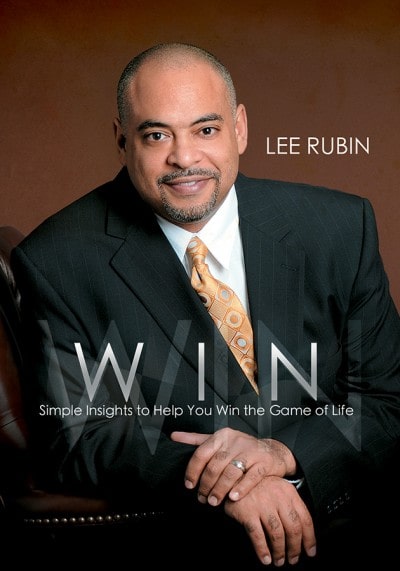
WIN: Simple Insights to Help You Win the Game of Life
Thoughts of a Champion

WIN: Simple Insights to Help Student-Athletes Win the Game of Life
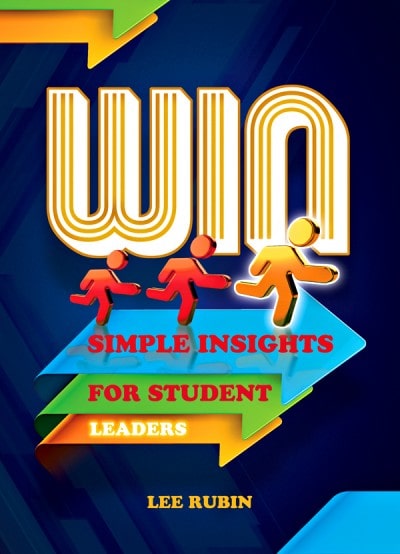
WIN: Simple Insights for Student Leaders


Get in TouchContact US
Fill out the form so we can best understand your needs.
A representative from The Keynote Curators will reach out to you.
Blog Posts

Change Starts When You Embrace Your Emotions, with Cassandra Worthy
Change starts when you embrace your emotions. Cassandra Worthy shows how to read your feelings as signals and turn discomfort into forward movement.
Read More
Breast Cancer Awareness Needs More Than Pink Ribbons and Good Intentions
Breast cancer awareness doesn't end in October. Here is what real workplace support and easier access can look like all year.
Read More
How to Create Event Experiences People Will Always Remember
What makes an event memorable? Dr. Robyne Hanley-Dafoe explains why full presence beats polls, phones, and gadgets in any live room.
Read More
Leadership Succession Planning Is the Advantage No One Is Building
Leadership succession planning is the biggest competitive advantage most companies ignore. Here's why the gap matters and how to close it.
Read More
Workplace Culture Lessons on Trust and Safety with Danny Goldberg
Danny Goldberg explains how leaders can close the gap between the workplace culture they intend and the one employees actually feel.
Read More
Real Productivity Is About Deciding What Not to Finish Before Year-End
Real year-end productivity means finishing fewer things well rather than everything done. Here is how to choose what deserves your time before December 31.
Read More
What is Psychological Flexibility and Why Leaders Need It Before a Crisis Hits
Psychological flexibility keeps leaders steady in a crisis. Dr. Jannell MacAulay shares what the cockpit teaches about calm under pressure.
Read More
Workplace Communication Patterns That Are Costing You More Than You Think
Melina Palmer explains how poor communication quietly creates friction that costs businesses trust, sales, and loyalty.
Read More