
Book Nouriel Roubini through The Keynote Curators
Biography
Nouriel Roubini is CEO of Roubini Macro Associates, LLC, a global macroeconomic consultancy firm in New York. He is also Chief Economist for Atlas Capital Team LP, as well as Co-Founder of Rosa & Roubini Associates. At a 2006 address to the International Monetary Fund, Roubini warned of the impending recession due to the credit and housing market bubble. His predictions of these upside-down balance sheets became a reality in 2008, with the bubble bursting and reverberating around the world into a global financial crisis lasting well into the next decade.
Dr. Roubini has extensive policy experience as well as broad academic credentials. He is Professor Emeritus (2021-present), Professor of Economics (1995-2021), Stern School of Business, New York University. He was Cofounder and Chairman of Roubini Global Economics from 2005 to 2016 – a firm whose website was named one of the best economics web resources by BusinessWeek, Forbes, the Wall Street Journal and the Economist. From 1998 to 2000, he served as the senior economist for international affairs on the White House Council of Economic Advisors and then the senior advisor to the undersecretary for international affairs at the U.S. Treasury Department, helping to resolve the Asian and global financial crises, among other issues. The International Monetary Fund, the World Bank and numerous other prominent public and private institutions have drawn upon his consulting expertise.
He has published numerous theoretical, empirical and policy papers on international macroeconomic issues and coauthored the books Political Cycles: Theory and Evidence (MIT Press, 1997) and Bailouts or Bail-ins? Responding to Financial Crises in Emerging Markets (Institute for International Economics, 2004) and Crisis Economics: A Crash Course in the Future of Finance (Penguin Press, 2010). Dr. Roubini’s views on global economic issues are widely cited by the media, and he is a frequent commentator on various business news programs. He has been the subject of extended profiles in the New York Times Magazine, The Financial Times, among other leading current-affairs publications. He is published monthly as a columnist with Project Syndicate. He also hosts www.NourielToday.com where is perspectives can be found and co-runs the site www.theboombust.com, an economic indicator research service.
Dr. Roubini received an undergraduate degree at Bocconi University in Milan, Italy, and a doctorate in economics at Harvard University. Prior to joining Stern, he was on the faculty of Yale University’s department of economics.
Contact us for Nouriel Roubini fees and availability
Videos
Speech TopicsExpand each topic to learn more
The outlook for the global economy and financial markets is mixed. The positives and upside include a pick-up in global growth after years of a new mediocre, profitable corporate firms, better business and consumer confidence, more optimistic investors with markets in risk-on mode, the rise of emerging markets, new technologies and innovation. The downside are however several: uncertainties about Trumponomics, the risks of European and Eurozone dis-integration, the potential for a hard landing of highly indebted China, the sluggish global growth and productivity in a world of high private and public debts, the frothiness in financial markets and the risks of assets and credit bubbles fed by easy monetary policies, the backlash against globalization and geopolitical risks. Markets are now bullish is not bubbly but the economies are still sluggish. Roubini argues that a new policy framework is needed to minimize the downsides and maximize the upsides.
Uncertainties remain about the economic policies of Trump and their impact on the US economy and markets. Since the presidential election investors have become bullish pushing financial markets to new highs while business and consumer confidence have risen in spite of still sluggish growth. Investors hope that fiscal stimulus, infrastructure spending, tax reform and deregulation will boost growth and markets. A honeymoon can continue for quite a while if positive policies are properly implemented. But markets may be overestimating Trump’s ability to deliver positive policy changes and the impact of such changes on a potential growth that is kept low by longer term and structural forces. Markets may also be underestimating some of the potential negatives of Trumponomics: protectionism and the risk of trade wars; restrictions to migration that may slow growth in an ageing society; inefficient micro-management of the decisions of the corporate sector on where to produce, invest and hire; a sub-optimal policy mix with loose fiscal policy in an economy close to full employment that will force the Fed to tighten sooner and more; that could lead to higher interest rates and a stronger dollar that will hurt jobs and growth. Roubini argues that the jury is still out on whether Trumponomics will be more populist and protectionist or more mainstream and pragmatic, even if the latter scenario looks more likely.
Booksby Nouriel Roubini
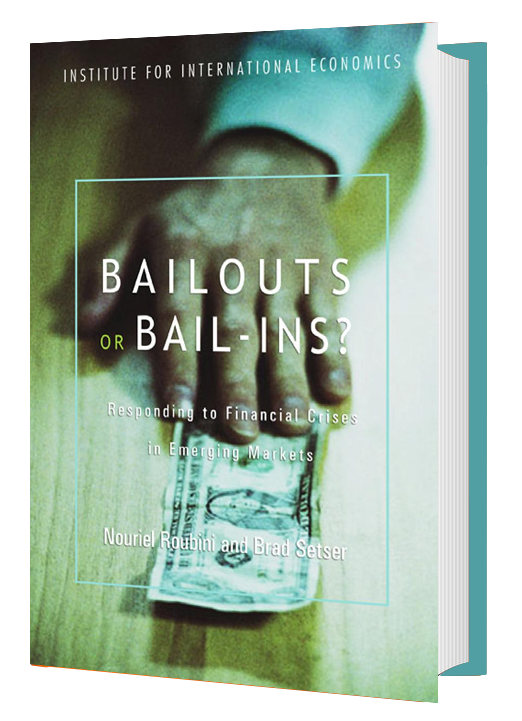
Bailouts or Bail-ins? Responding to Financial Crises in Emerging Markets
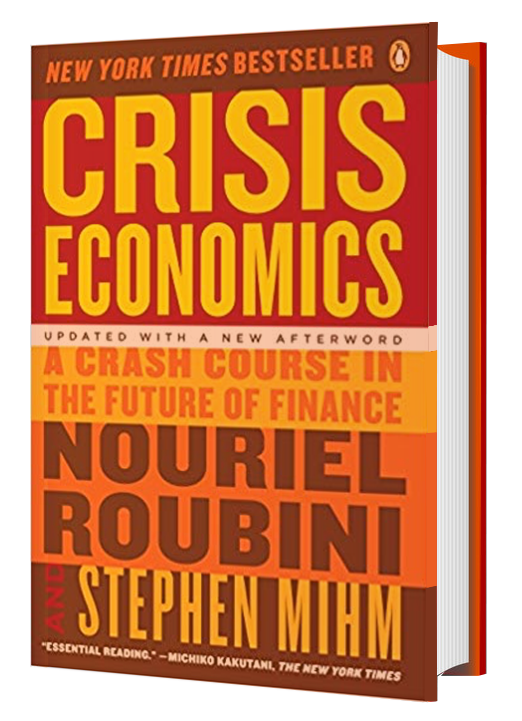
Crisis Economics: A Crash Course in the Future of Finance
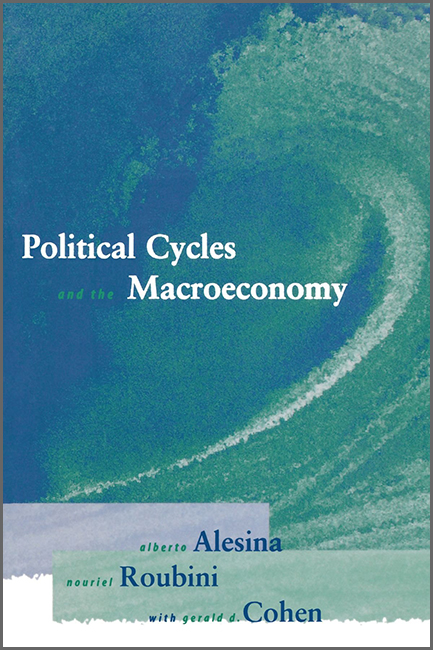
Political Cycles and the Macroeconomy
For Meeting Planners


Get in TouchContact US
Fill out the form so we can best understand your needs.
A representative from The Keynote Curators will reach out to you.
Blog Posts

Workplace Culture Lessons on Trust and Safety with Danny Goldberg
Danny Goldberg explains how leaders can close the gap between the workplace culture they intend and the one employees actually feel.
Read More
Real Productivity Is About Deciding What Not to Finish Before Year-End
Real year-end productivity means finishing fewer things well rather than everything done. Here is how to choose what deserves your time before December 31.
Read More
What is Psychological Flexibility and Why Leaders Need It Before a Crisis Hits
Psychological flexibility keeps leaders steady in a crisis. Dr. Jannell MacAulay shares what the cockpit teaches about calm under pressure.
Read More
Workplace Communication Patterns That Are Costing You More Than You Think
Melina Palmer explains how poor communication quietly creates friction that costs businesses trust, sales, and loyalty.
Read More
Customer Service Strategies That Actually Work in the Real World
Brad Cleveland breaks down why good customer service is hard work in disguise, and what it takes to get it right in the AI era.
Read More
Resilience Is a Cultural Contingency Plan, Not a Personal Trait
Every event planner knows the moment when resilience stops being a theory. At 7:12 a.m., the group chat lights up. The keynote’s flight is delayed. The ballroom doors open in 48 minutes. The sponsor wants...
Read More
Values in Business: Why Living Them Matters More Than Posting About Them
Are your values just posted on the wall? Keynote speaker McKain explains why living your values, not displaying them, is what keeps customers loyal.
Read More
Why Curiosity Is the Secret to Real Growth in Business and Life
Discover why curiosity, not busyness, drives real growth. Diana Kander explains how a weekly reset builds curiosity into business and life.
Read More