
Book Marian Tupy through The Keynote Curators
Biography
Marian Tupy is a senior fellow at the Cato Institute’s Center for Global Liberty and Prosperity, and co-author of The Simon Abundance Index. He specializes in globalization and global well‐being, and politics and economics of Europe and Southern Africa.
Marian Tupy is the coauthor of Superabundance: The Story of Population Growth, Innovation, and Human Flourishing on an Infinitely Bountiful Planet (2022) and Ten Global Trends Every Smart Person Should Know: And Many Others You Will Find Interesting (2020).
Marian Tupy’s Superabundance challenges the notion that population growth depletes resources. Analyzing two centuries of commodity prices, Tupy and Gale Pooley discovered that resources actually become more abundant as the population increases, a phenomenon they term “superabundance.” They found that each additional person creates more value than they consume, driven by increased ideas and innovations that enhance economic growth and living standards. However, Tupy emphasizes that true innovation requires freedom—people must be able to think, speak, and trade freely to sustain this growth.
His articles have been published in the Financial Times, Washington Post, Los Angeles Times, Wall Street Journal, The Atlantic, Newsweek, U.K. Spectator, Foreign Policy, and various other outlets both in the United States and overseas. Marian Tupy has appeared on the BBC, CNN, CNBC, MSNBC, Fox News, Fox Business, and other channels.
Marian Tupy received his BA in international relations and classics from the University of the Witwatersrand in Johannesburg, South Africa, and his PhD in international relations from the University of St. Andrews in Great Britain.
Contact us for Marian Tupy fees and availability
Videos
Speech TopicsExpand each topic to learn more
Evidence from individual scholars, academic institutions, and international organizations shows dramatic improvements in human well-being throughout much of the world. In recent decades, these improvements have been especially striking in developing countries. Unfortunately, there is often a wide gap between the reality of human experience, which is characterized by incremental improvements, and public perception, which tends to be quite negative about the current state of the world and skeptical about humanity’s future prospects. To rectify the widely held misperceptions about the state of humanity, we have gathered empirical data from reliable sources that look at worldwide long-term trends. By putting together these comprehensive data in an accessible way, our goal is to provide a useful resource for students, scholars, journalists, policymakers, and the general public.
Whereas we think that policies and institutions compatible with freedom and openness are important factors in
promoting human well-being, we let the evidence speak for itself. Finally, we hope that this website leads to a
greater appreciation of the improving state of the world and stimulates an intelligent debate on the drivers of
human progress.
Generations of people have been taught that population growth makes resources scarcer. In 2021, for example, one widely publicized report argued, “The world's rapidly growing population is consuming the planet's natural resources at an alarming rate . . . the world currently needs 1.6 Earths to satisfy the demand for natural resources . . . [a figure that] could rise to 2 planets by 2030.” But is that true? After analyzing the prices of hundreds of commodities, goods, and services spanning two centuries, Marian Tupy and Gale Pooley found that resources became more abundant as the population grew. That was especially true when they looked at “time prices,” which represent the length of time that people must work to buy something. To their surprise, the authors also found that resource abundance increased faster than the population―a relationship that they call “superabundance.” On average, every additional human being created more value than he or she consumed. This relationship between population growth and abundance is deeply counterintuitive, yet it is true. Why? More people produce more ideas, which lead to more inventions. People then test those inventions in the marketplace to separate the useful from the useless. At the end of that process of discovery, people are left with innovations that overcome shortages, spur economic growth, and raise standards of living.
Booksby Marian Tupy
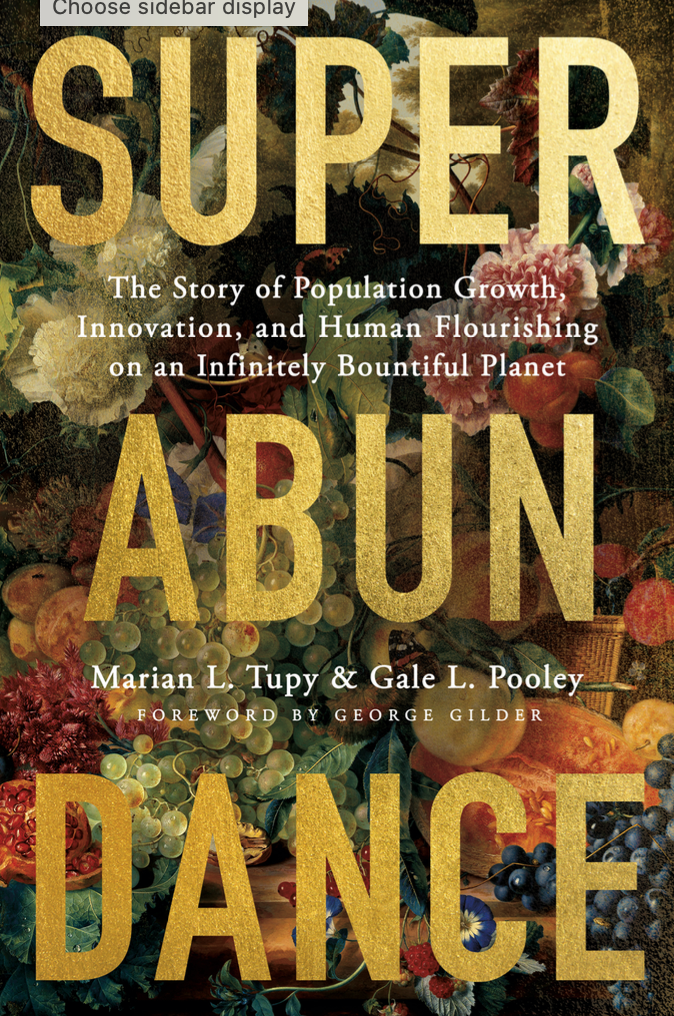
Superabundance: The Story of Population Growth, Innovation, and Human Flourishing on an Infinitely Bountiful Planet
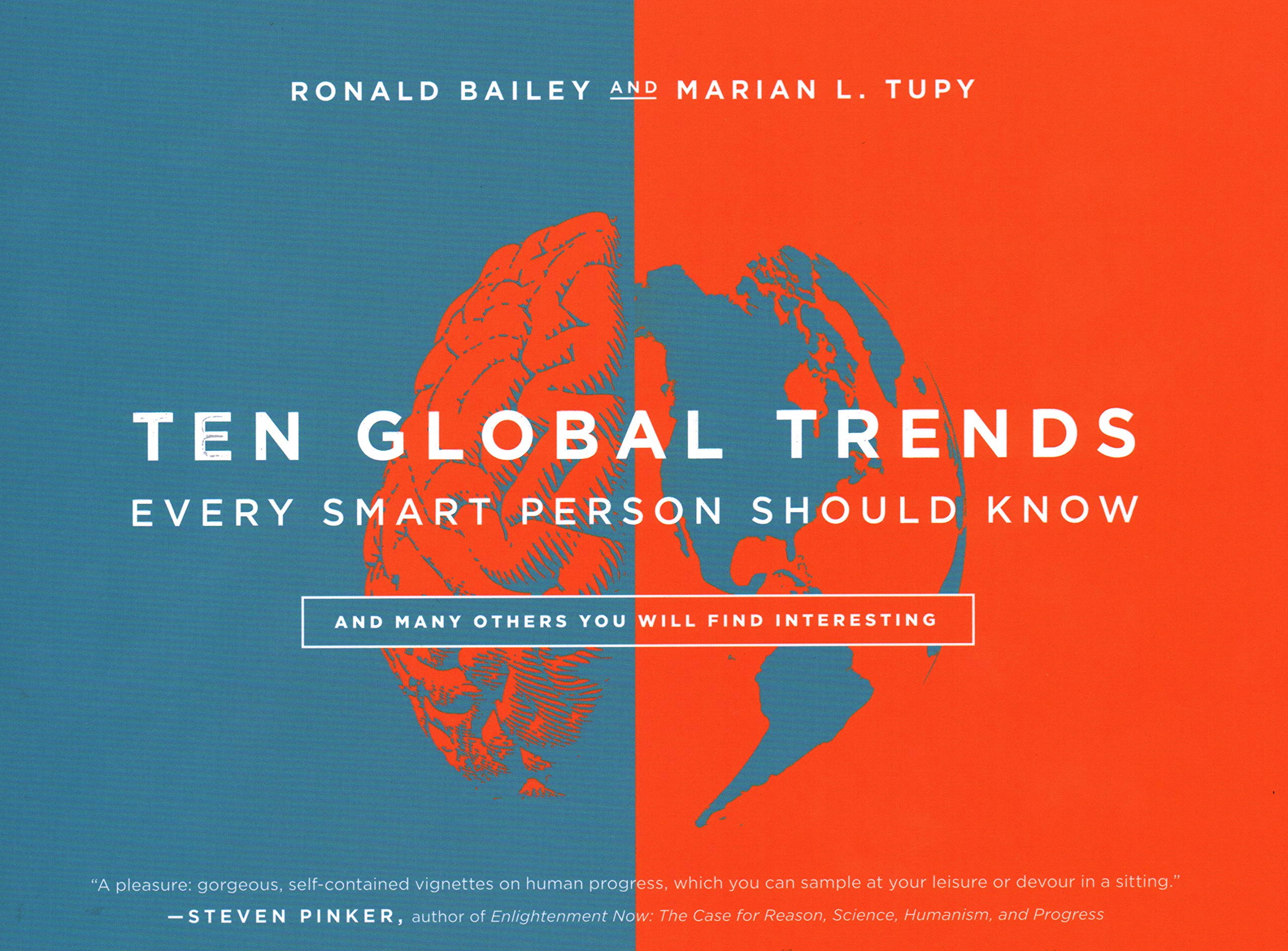
Ten Global Trends Every Smart Person Should Know: And Many Others You Will Find Interesting
For Meeting Planners
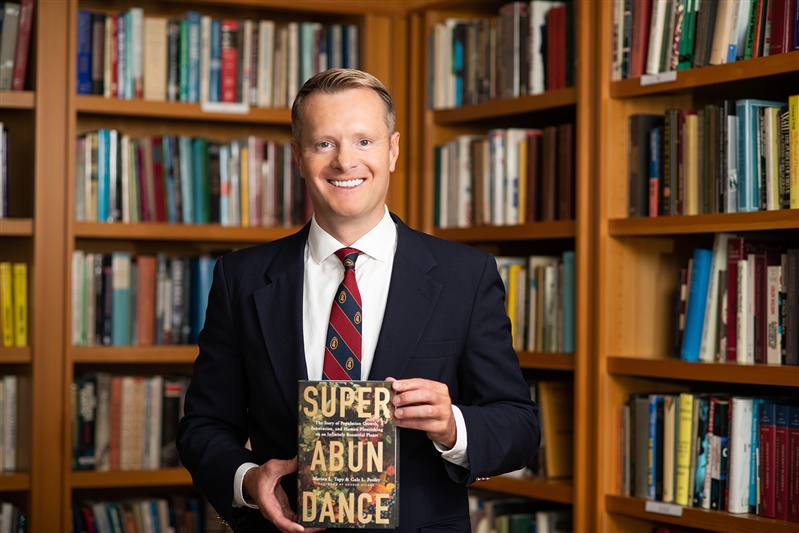
Get in TouchContact US
Fill out the form so we can best understand your needs.
A representative from The Keynote Curators will reach out to you.
Blog Posts

Why Curiosity Is the Secret to Real Growth in Business and Life
Discover why curiosity, not busyness, drives real growth. Diana Kander explains how a weekly reset builds curiosity into business and life.
Read More
Your Career Could Show Up Where You Least Expect It with Melissa Proctor
Melissa Proctor's career took her from NBA ball girl to CMO. Here's what her path teaches us about growth, leadership, and career choices.
Read More
Negotiation Is the Most Analog Skill Leaders Can’t Outsource
Negotiation is still a human skill. Here's why the most analog part of work matters more as AI takes over the rest.
Read More
Why High Performers Fall Into the When-Then Trap (and How to Escape It)
High performers often delay their own well-being for "someday." Dr. Robyne Hanley-Dafoe explains why, and what to do instead.
Read More
Business Culture Is Built in Small Moments, with Chris Dyer
Chris Dyer explains how everyday leadership moments shape business culture, trust, and whether employees choose to stay.
Read More
25th Anniversary of 9/11
Twenty-five years is a strange distance. It’s long enough for 9/11 to start sounding like history to people who weren’t alive for it, and close enough that many of us can still say exactly where...
Read More
Why Remote Work Is Quietly Breaking Your Team’s Ability to Innovate
Shawn Kanungo explains why remote work quietly damages innovation, even when it boosts individual productivity. Here's the real cost.
Read More
Networking Redefined: Eat, Drink, and Succeed, with Laura Schwartz
Laura Schwartz reveals what real networking looks like: service, presence, and community over status and self-interest.
Read More