
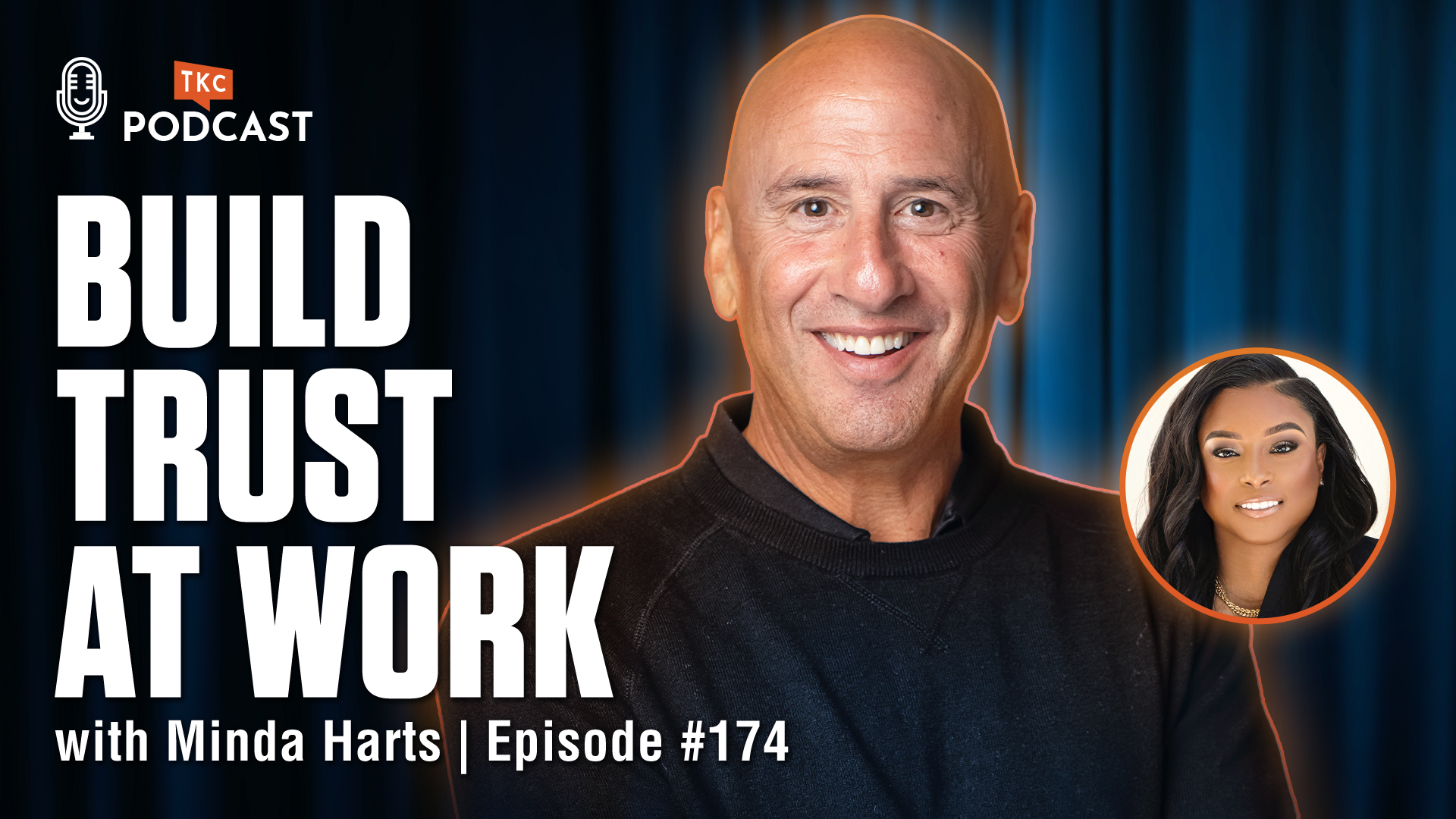
June 15, 2026Trust Is the Foundation Every Strong Workplace Culture Needs, with Minda Harts
Keynote speaker Minda Harts explains how trust shapes communication, leadership, and workplace culture, and what it really takes to rebuild it.
I’ve spent a lot of time over the years studying how organizations actually function once you strip away the mission statements and the culture decks, and the conclusion I keep coming back to is this: trust is the real operating system of every workplace. Not a soft add-on, not a value printed on a poster in the break room, but the thing that quietly determines whether people speak up, follow through, or slowly check out without ever saying why.
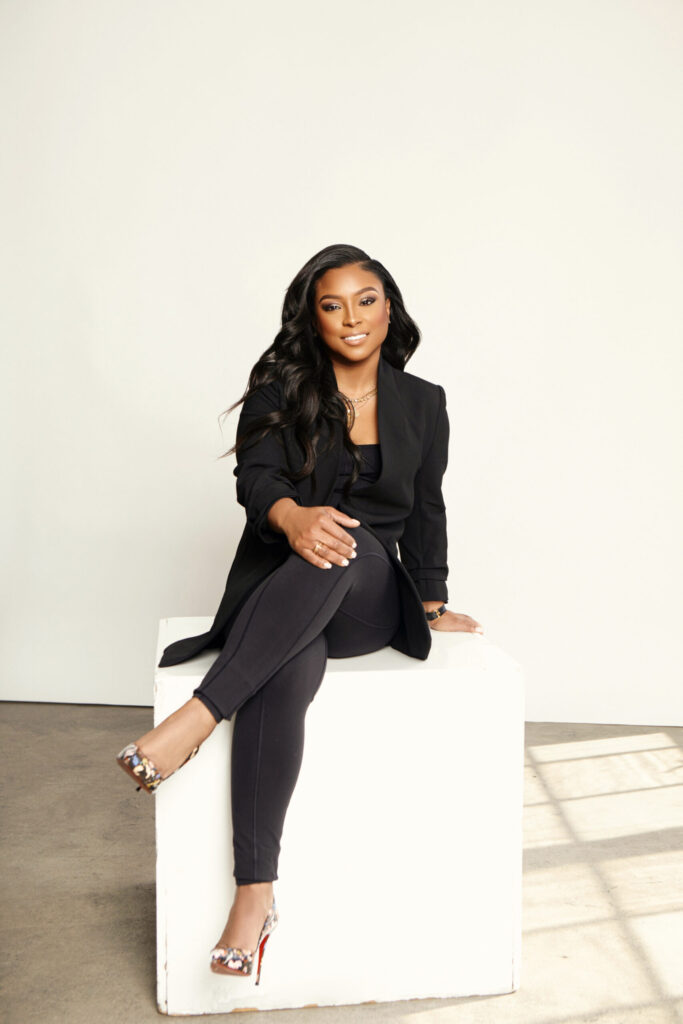
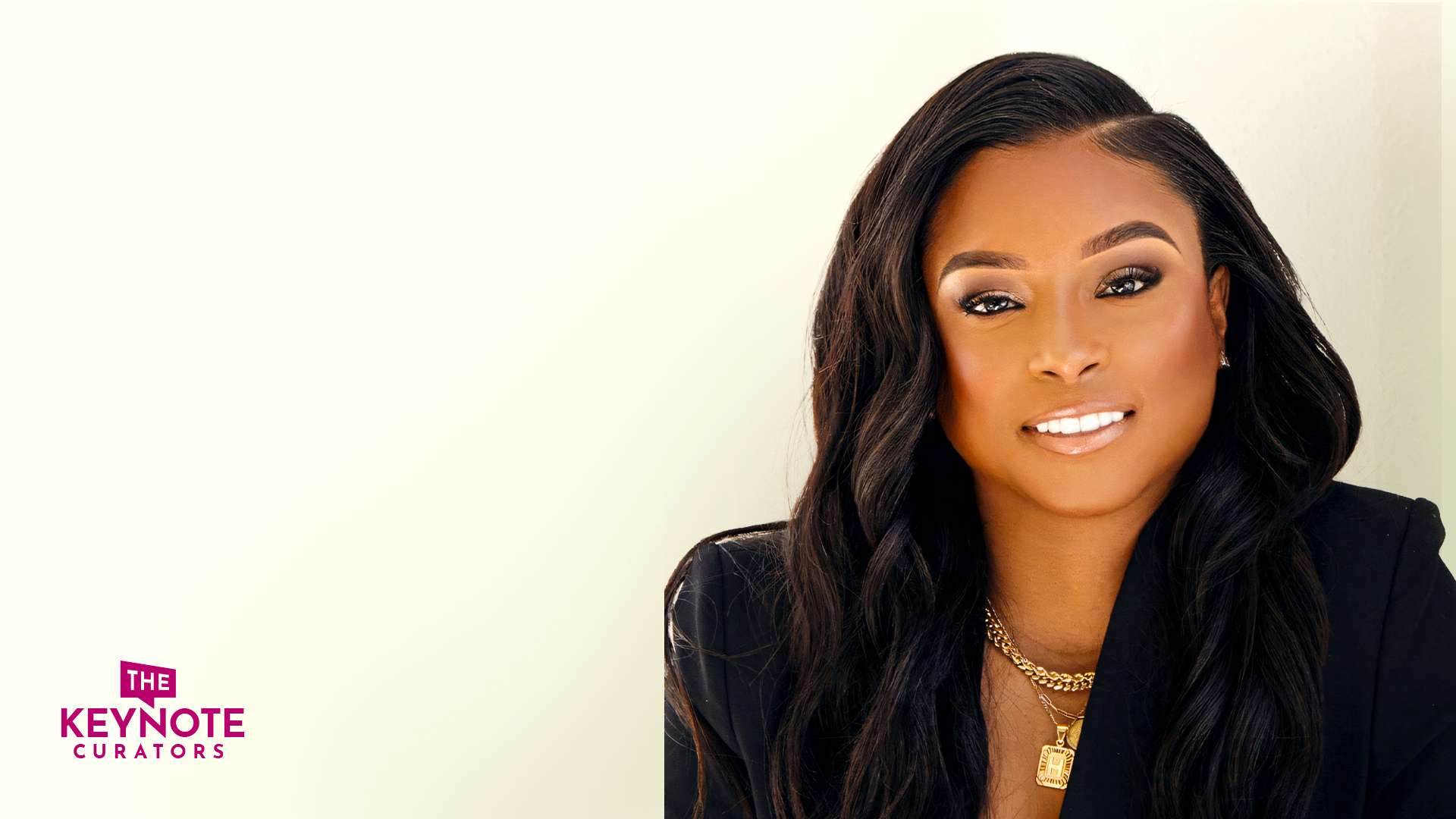
That’s exactly the territory I explored in a recent conversation with Minda Harts. She’s a business keynote speaker, workplace consultant, and bestselling author whose work has shaped how companies like Nike, Google, Best Buy, and JPMorgan Chase think about leadership and culture.
What struck me most about this conversation is how undramatic trust actually is in practice. We tend to imagine trust breaking in big, visible moments, a scandal, a betrayal, a public failure. But that’s rarely how it actually happens. Trust usually erodes in small, quiet ways long before anyone names the problem out loud. A missed follow-up here. A joke that lands wrong there. A decision made without explanation. None of these moments feels like a crisis in the moment, but together they reshape how people show up at work, often without anyone realizing it’s happening until the damage is already done.
🎧 Watch and listen to the podcast episode: YouTube • Spotify • Apple Podcasts • Amazon Music
The Quiet Way Trust Breaks Down
One of the most useful reframes from this conversation is the idea that trust problems rarely announce themselves. By the time a team openly says they don’t trust leadership, or that they don’t trust each other, the erosion has usually been happening for months, sometimes years. What Minda described instead is a kind of slow leak. Someone notices that a commitment from last quarter never materialized, but doesn’t say anything because it feels petty to bring up. Someone else feels overlooked in a meeting, but assumes it wasn’t intentional. Individually, these moments seem too small to matter. Collectively, they become the quiet evidence people use to decide how much of themselves they’re willing to bring to work.
I’ve seen this same pattern play out across very different organizations, and what I find most interesting is that the people experiencing the erosion are often the last to name it, while the people causing it are often the last to notice. Leaders tend to measure this through formal channels, engagement surveys, retention numbers, and performance reviews, while the real signal is happening in the in-between moments. The hallway conversation that doesn’t happen anymore. The message that used to get a quick reply now sits unanswered for a day. The meeting where someone used to speak up and now just nods along.
What this tells me is that spotting a trust problem early requires a different kind of attention than most leadership training prepares people for. It’s less about watching for dramatic failures and more about noticing subtle shifts in behavior, energy, and participation. The earlier a leader catches that shift, the more options they have. Once trust has fully eroded, rebuilding it takes far more effort than maintaining it ever would have, which is part of why corporate culture conversations so often arrive a year too late.
Trust doesn’t announce its own absence. It just quietly stops asking to be present.
The Signals Leaders Overlook
Something that came up repeatedly in this conversation is how often leaders underestimate the weight of small acknowledgments. Minda talked about transparency, acknowledgment, and sensitivity as three signals that quietly shape how much trust people extend to leadership, and what struck me is how rarely these show up in formal leadership frameworks. Most leadership training focuses on strategy, decision-making, and execution. Far less attention goes to the simple act of acknowledging that someone raised a concern, being transparent about why a decision was made, or being sensitive to the fact that change affects people differently depending on what else is happening in their lives.
I think part of the reason these signals get neglected is that they don’t feel urgent. Acknowledging someone’s input doesn’t show up on a quarterly scorecard. Being transparent about a decision doesn’t directly move a metric tied to employee engagement. But trust doesn’t accumulate through metrics. It accumulates through repeated experiences of being seen, heard, and treated honestly, especially in the moments that don’t carry obvious stakes.
What I find most compelling about this is the compounding effect. When someone raises an idea in a meeting, and a leader visibly acknowledges it, even briefly, that single moment becomes evidence the next time that person decides whether to speak up again. When a leader explains the reasoning behind a decision, even an unpopular one, that transparency becomes evidence the next time people are asked to support a decision they don’t fully understand. Trust isn’t built through grand gestures. It’s built through hundreds of small moments where people decide, often unconsciously, whether this is a place where their voice matters.
When Communication Gaps Become Trust Gaps
If there’s one throughline in this conversation, it’s that almost every trust problem, when you trace it back far enough, turns out to be a communication problem. Minda was direct about this: miscommunication drains trust faster than almost anything else, and it does so quietly, because the damage isn’t in what was said. It’s in what was left unsaid. Someone requests without explaining the reasoning behind it, and the person on the other end fills in the gap with their own interpretation, often a less generous one than reality deserves. A leader changes a plan without context, and the team quietly assumes the worst about why.
What I find most useful about this framing is that it shifts the conversation away from who is right and toward what wasn’t communicated. Most workplace conflict isn’t really about disagreement over facts. It’s about two people operating from different unstated assumptions, each convinced their interpretation is obvious, neither realizing the other person never received the context that would have made it obvious. This is where trust quietly drains away, not because anyone acted in bad faith, but because intent was never made explicit.
This connects directly to one of the most overlooked aspects of teamwork: the assumption that good intentions are visible. They’re not. Intent has to be communicated, repeated, and reinforced, especially during moments of change or ambiguity, or people will fill the silence with their own story. And that story is rarely as generous as the truth.
Why Trust Speaks Different Languages
One of the most striking ideas from this conversation is the framework at the heart of Minda’s newest book, Talk to Me Nice, which introduces the concept of the Seven Trust Languages. The premise is simple but carries real weight: people don’t all build and experience trust the same way. For some people, it’s built through consistency, showing up reliably over time. For others, it’s built through directness, knowing exactly where they stand even when the message is uncomfortable. For others still, it’s built through care, feeling like someone notices when they’re struggling.
What makes this idea so useful is that it explains why two well-intentioned people can work side by side for years and still feel like something is missing between them. They may both be acting in good faith, but if one person expresses care through consistency and the other through directness, neither may recognize the other’s efforts as meaningful at all. The consistent person feels like their reliability isn’t appreciated. The direct person feels like their honesty is read as harshness.
I think this is one of the more important reframes for anyone in a leadership role, because it suggests that building trust across a team isn’t about applying one universal approach. It’s about learning to recognize how people experience trust differently, and adjusting how you show up accordingly. Minda is one of the best-selling author voices working on this idea right now, and her framework gives leaders language for something many of them have felt but never been able to name. Once you start thinking about trust as something expressed in different languages, a lot of workplace friction starts to make more sense.
Closing the Expectation Gap Before It’s Too Late
Another idea that stayed with me from this conversation is how much workplace resentment traces back to unclear expectations rather than unclear performance. Minda described a pattern that I think most people will recognize immediately: someone is given a task without a clear sense of what success looks like, they do their best interpretation of it, and then later discover that what they delivered wasn’t what was actually wanted. No one necessarily did anything wrong, but the gap between what was expected and what was communicated becomes a small wound. Repeat that pattern enough times, and it stops being a series of misunderstandings and starts being evidence that this is just how things work here.
What makes expectation gaps so corrosive to trust is that they rarely get addressed directly. Instead of a conversation about what went wrong and why, what usually happens is a quiet recalibration. The person who felt let down quietly lowers their expectations of what clear direction they’ll receive next time. The person who feels their work wasn’t valued quietly lowers how much effort they invest in getting it right. Neither says anything, but both have adjusted how much they’re willing to extend going forward.
This is why I think closing expectation gaps early is one of the highest-leverage things a leader can do, and it’s a theme that comes up again and again in conversations about business leadership. It doesn’t require a dramatic culture initiative. It requires the much harder, much smaller discipline of being explicit about what success looks like before the work begins, and being willing to revisit that definition out loud when something doesn’t land as expected. That single habit, done consistently, prevents an enormous amount of the silent resentment that quietly erodes trust from the inside.
When Spending Decisions and Layoffs Collide
One of the more pointed parts of this conversation dealt with what happens when a company’s actions and its messaging don’t match, particularly around spending decisions and layoffs. Minda talked about how visible these moments are inside an organization, and how little room there is for spin once people can see the full picture. If a company announces cost-cutting measures and layoffs in one breath, and then employees see spending on things that seem to contradict that message, the gap between what’s said and what’s done becomes impossible to ignore. It doesn’t matter how carefully the announcement was worded. People notice, and they remember.
What I find most important about this is the asymmetry of how trust works in these moments. It takes years of consistent behavior to build trust, but a single visible contradiction can undo a significant portion of it almost instantly, because it confirms a suspicion that many people were probably already carrying quietly. Layoffs are difficult under any circumstances, but they become genuinely damaging to trust when the explanation for them doesn’t hold up against what people can see with their own eyes.
This is a lesson that extends well beyond layoffs specifically. Any time a business makes a decision that affects people’s livelihoods or daily experience, the explanation matters almost as much as the decision itself. People don’t expect leaders to make every choice they’d personally agree with. What they expect is for the reasoning to be honest enough to survive contact with what they already know. When that reasoning holds up, trust takes a hit but survives. When it doesn’t, the damage tends to outlast the original decision by a long time.
Why Trust Has to Move in Both Directions
A theme that came up again and again in this conversation, almost as a quiet correction to how trust is usually discussed, is that it’s not something leaders give to employees while employees passively receive it. Minda was clear that it has to move in both directions. Leaders extend it to their teams by giving them autonomy, context, and the benefit of the doubt. Teams extend it back to leaders by giving honest feedback, raising concerns early, and assuming good intent when something doesn’t make sense yet. When this flow only moves one way, the relationship becomes unstable, no matter how good either side’s individual intentions are.
What I think gets missed most often is that asking people to extend it to leadership while leadership doesn’t reciprocate creates a relationship that looks cooperative on the surface but functions more like compliance underneath. People will do what’s asked. They’ll show up, hit deadlines, and say the right things in meetings. But none of that is the same as trust, and the difference becomes obvious the moment something goes wrong, and people choose silence over honesty because they’ve learned that honesty isn’t safe.
This reframing matters for anyone thinking seriously about leadership, because it puts some of the responsibility for building trust on both sides of the relationship. Not as a way of letting leaders off the hook, but as a way of being honest about how trust actually works. A leader can do everything right and still struggle to build it if the broader environment has taught people that honesty gets punished. It has to be modeled from the top, but it also has to be received and reciprocated for it to mean anything at all.
AI, Uncertainty, and the Case for Transparency
Perhaps the most timely part of this conversation was the discussion of AI and the anxiety it’s introducing into workplaces right now. Minda made a point that I think is easy to underestimate: in moments of genuine uncertainty, the instinct of many leaders is to say less, often out of a desire not to alarm people before there’s a clear answer. But what actually happens is that silence gets filled with speculation, and speculation is almost always worse than the truth, even an uncomfortable one.
One story from this conversation stuck with me in particular, about a manager who, instead of pretending everything was fine during a period of organizational uncertainty, told their team plainly that winter was coming, that change was ahead, and that they didn’t yet have all the answers but would share what they could as soon as they knew it. What I find remarkable about this is that the manager didn’t resolve the uncertainty. They couldn’t. What they did was be honest about the uncertainty itself, and that honesty became its own form of trust, because the team could believe they would be told the truth even when the truth was unfinished.
This feels especially relevant right now, with AI reshaping roles, workflows, and job security questions across nearly every industry. People are anxious, and that anxiety isn’t irrational. What determines whether that anxiety turns into disengagement or into resilience often comes down to whether people trust that leadership will be honest with them as things unfold, even when leadership doesn’t have every answer yet. Transparency during uncertainty isn’t about having the right words for every scenario. It’s about being willing to say here’s what I know, here’s what I don’t, and here’s how I’ll keep you informed, and meaning it. That, more than any reassurance, is what builds trust during periods of real business growth and disruption alike.
How Five Generations Build Trust Differently
One of the more practically useful parts of this conversation was the discussion of how differently trust gets built and experienced across the generations now sharing the same workplaces. For the first time in modern working history, organizations are regularly operating with five generations under one roof, each shaped by different formative experiences with institutions, technology, and authority. What Minda pointed out, and what I think doesn’t get discussed enough, is that these differences aren’t just about preferences for communication tools. They reflect genuinely different starting points for how much trust people extend by default, and what it takes to earn more of it.
Someone whose formative work experiences included major institutional failures may walk into a new job already a little guarded, needing to see consistency over time before extending much of it. Someone earlier in their career, having grown up with more transparency as a baseline expectation from brands, employers, and institutions, may expect that same transparency immediately and read its absence as a red flag rather than business as usual.
What I find most useful about this framing is that it removes the judgment from generational differences. It’s not that one generation is more trusting than another. It’s that trust is being built from different starting assumptions, shaped by different experiences, and a one-size-fits-all approach to communication will land differently across those groups. Leaders who take the time to understand these different starting points, rather than assuming everyone experiences trust the same way, are far better positioned to communicate in ways that actually land, which is exactly why this topic keeps surfacing in thought leadership conversations about the future of work.
Follow-Through and the Long Road Back
If there’s a single thread that ties this entire conversation together, it’s follow-through. Almost every theme we covered, communication gaps, expectation gaps, generational differences, AI anxiety, eventually comes back to whether people do what they said they would do, and what happens when they don’t. Minda was candid about the fact that follow-through is where a lot of leadership development falls short. It’s relatively easy to say the right things in a meeting, to acknowledge a concern, to promise a follow-up conversation. It’s much harder to actually have that follow-up conversation three weeks later when other priorities have crowded in.
What happens when follow-through breaks down is rarely a single dramatic event. It’s usually a slow accumulation of small unmet commitments, each one easy to explain away individually, things got busy, it slipped through the cracks, but collectively they teach people something important: that commitments made to them are negotiable in a way that commitments made by them are not. That asymmetry is one of the fastest ways trust quietly disappears from a relationship, because it signals, without anyone saying it directly, whose time and whose word matters more.
What I appreciated most about this part of the conversation was the practical guidance on what to do when you’ve missed a commitment, because avoidance is almost always the instinct, and it’s almost always the wrong one. Reopening a missed commitment, even late, even awkwardly, sends a completely different signal than letting it quietly disappear. It tells the other person that the relationship matters more than the discomfort of admitting you dropped the ball. This is also where rebuilding trust after it’s been broken becomes possible, not through grand gestures or elaborate apologies, but through the much quieter discipline of doing what you say you’ll do, consistently, over time, especially in the small moments no one is watching closely.
It comes back the same way it left. In small moments, repeated often enough to be believed again.
What Trust Actually Asks of Us
Looking back on this conversation, what stays with me most is how ordinary trust actually is, and how extraordinary its absence becomes. Trust isn’t built in dramatic moments of crisis, even though those moments reveal how much of it exists. It’s built in the unremarkable, repeatable choices that happen dozens of times a day: explaining the reasoning behind a decision, acknowledging a concern instead of moving past it, following through on something small that no one would have noticed if it hadn’t happened.
What Minda Harts offered in this conversation isn’t a quick fix or a checklist. It’s a different way of paying attention, to the quiet signals, the unspoken expectations, the small commitments that quietly define whether people feel safe enough to be honest. Trust, in the end, isn’t something an organization announces. It’s something people decide, often without realizing they’re deciding it, every time they choose whether to speak up, follow through, or stay quiet for one more day.
If there’s one thing I hope readers take from this, it’s that trust is built or lost in the moments that feel too small to matter. Paying attention to those moments, consistently, is the real work of building a workplace people actually want to be part of.
🎤 Explore Minda Harts’ keynote speaker profile to learn more about booking her for your event
📞 Book a quick call to talk through bringing this message of trust and communication to your audience
📩 Email us your event details, and we’ll help you find the right speaker fit
Discover More Insights


Get in TouchContact US
Fill out the form so we can best understand your needs.
A representative from The Keynote Curators will reach out to you.
Our Services
Keynote Speakers Topics
© 2026 The Keynote Curators. All Rights Reserved | Terms and Conditions
The Keynote Curators, 8275 South Eastern Avenue, Suite 200, Las Vegas, NV 89123
Local (310) 299-4595 | Toll Free (888) 585-8715 | info@thekeynotecurators.com
The Keynote Curators - Top Keynote Agency, USA.