
Book The Honorable Patrick J. Kennedy through The Keynote Curators
Biography
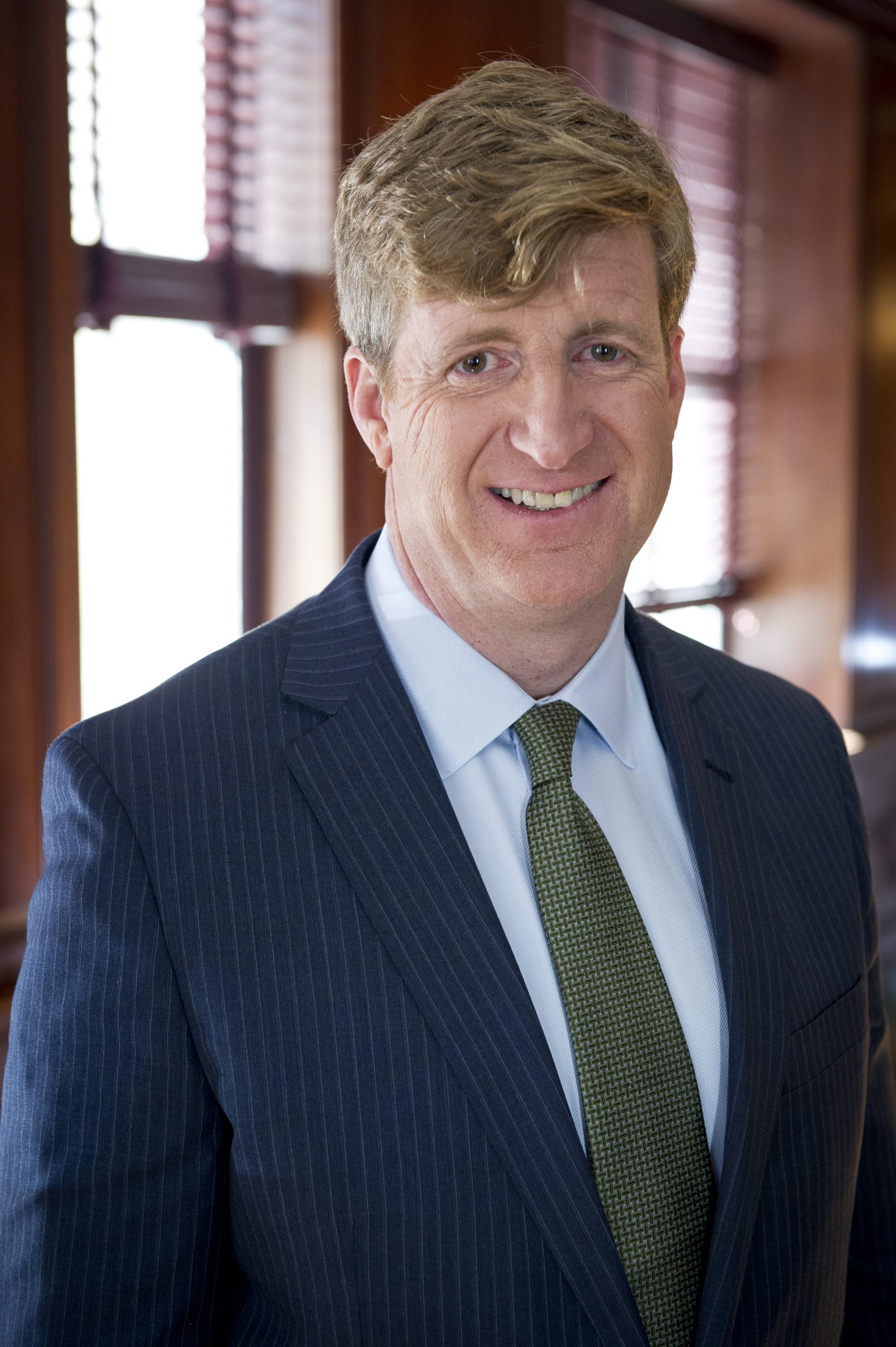
During his 16 years in the U.S. House of Representatives, serving Rhode Island’s First Congressional District, Patrick J. Kennedy fought to end discrimination against those with mental illness, addiction, and other brain diseases. He is best known as the lead sponsor of the landmark Mental Health Parity and Addiction Equity Act (Federal Parity Law), which was passed with bi-partisan support and signed into law by President George W. Bush on October 3, 2008. The Federal Parity Law provides millions of Americans, previously denied care, with access to mental health and addiction treatment by requiring insurance companies to cover treatment for mental health and substance use disorders no more restrictively than treatment for illnesses of the body, such as diabetes and cancer.
In addition to the Federal Parity Law, Kennedy authored and co-sponsored dozens of bills during his time in Congress to increase the understanding and treatment of neurological and psychiatric disorders, including the Positive Aging Act; Foundations for Learning Act; National Neurotechnology Initiative Act; Genomics and Personalized Medicine Act; COMBAT PTSD Act; Nurse-Family Partnership Act; Alzheimer’s Treatment and Caregiver Support Act; and Ready, Willing, and Able Act, which called on the Department of Homeland Security to deploy a civilian response system to blunt the psychological impact of terrorism. He served on various committees and subcommittees, including the House Appropriations Committee; the Subcommittee on Health, Education and Welfare; the Subcommittee on Labor, Health and Human Services, and Education; and the Subcommittee on Veterans Affairs.
In 2013, he founded The Kennedy Forum, a non-profit organization whose mission is to lead a national dialogue on transforming mental health and addiction care delivery by uniting mental health advocates, business leaders, and government agencies around a common set of principles, including full implementation of the Federal Parity Law. The Forum aims to achieve health equity by advancing evidence-based practices, policies, political will, and programming in mental health and addiction treatment.
In 2015, Kennedy co-authored the New York Times bestseller “A Common Struggle” in which he shares both his personal narrative and his experience shepherding the Federal Parity Law. The book ends with Kennedy’s detailed roadmap to achieve health equity in the United States.
In 2017, Kennedy served on the President’s Commission on Combating Drug Addiction and the Opioid Crisis. His personal contributions to the final report focused on the declaration of a federal emergency and strong parity-based recommendations.
Patrick J. Kennedy is also the founder of DontDenyMe.org, an educational campaign that empowers consumers and providers to understand parity rights and connects them to essential appeals guidance and resources; co-founder of One Mind, an organization that pushes for greater global investment in brain research; co-founder of Psych Hub, the most comprehensive online learning platform on mental health, substance use, and suicide prevention topics in the world; co-chair of Mental Health for US, a nonpartisan initiative designed to elevate mental health and addiction in policy conversations during the 2020 election cycle; and co-chair of the Action Alliance’s National Response to COVID-19, which brings together public and private sectors to lead a coordinated mental health and suicide prevention response.
Amid countless recognitions, meaningful partnerships, and political affiliations, Kennedy’s most important achievement continues to be leveraging his family legacy in the arenas of civil rights, mental health, and intellectual disabilities to advance the cause of social justice and health equity for all people. He lives in New Jersey with his wife, Amy, and their children.
Contact us for The Honorable Patrick J. Kennedy fees and availability
Videos
Speech TopicsExpand each topic to learn more
Since his earliest days in public service, Patrick J. Kennedy believed that mental health should be a national priority. After 16 years in Congress, and countless bills passed, one stands out among the rest for the impact it has on the lives of all Americans – the Mental Health Parity and Addiction Equity Act of 2008. This bill ensures that mental health is treated on-par with physical health, breaking down decades-old practices in the health care system that kept those two areas separate from one another, often with dire consequences.
Patrick J. Kennedy will discuss why mental health is critical to the overall health and wellbeing of all Americans, why the healthcare system needs to adapt to better accommodate mental healthcare, the underlying public policy imperatives of parity, and why we need to invest in innovation. Kennedy will also discuss his own journey toward mental health and recovery, and how he sees the world today.
More than 50 years ago, President John F. Kennedy asked Americans to think big, engage in the world beyond their own backyards, and make public service an integral component of everyday life. Part of the president’s cutting-edge approach to governing was to set audacious, seemingly unreachable goals…and exceed them. One of those goals was also the most storied, and most impactful: a call to reach the moon in a decade, catalyzing what is now known as the “space race.”
Today, Patrick J. Kennedy believes we’re are in a new space race, but it’s not about reaching a new planet, or exploring the cosmos. It’s a race of a different kind – a race to “inner-space,” a quest to understand the brain and brain health as much as we sought to understand the surface of the moon. The stakes are clear – 1 in 4 Americans are touched by mental illness, whether personally or through the experience of a family member. Almost 20 million Americans have a substance abuse issue. More than 8 million people in this country have had a serious suicidal thought.
What binds these statistics together? A need to understand the underlying science of the brain, how it works, how it becomes compromised, and what we can do to achieve brain health. Patrick J. Kennedy will discuss new advances in science and policy that are leading the way toward a deeper understanding of “inner space,” and the role we all play in achieving the goal of making mental healthcare as routine, accessible, and understandable as physical healthcare.
Testimonials
Booksby The Honorable Patrick J. Kennedy

A Common Struggle
For Meeting Planners
Get in TouchContact US
Fill out the form so we can best understand your needs.
A representative from The Keynote Curators will reach out to you.
Blog Posts
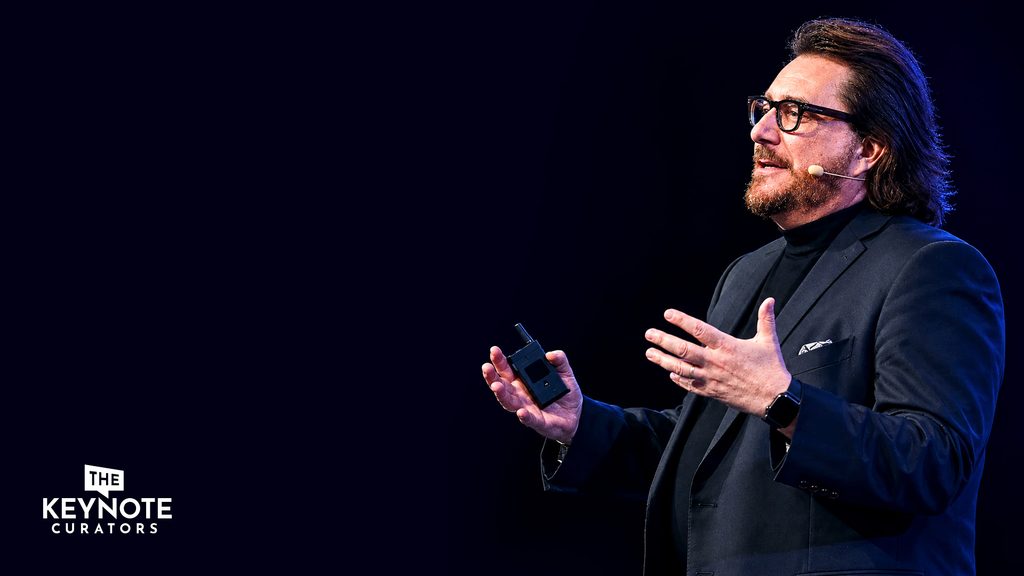
Values in Business: Why Living Them Matters More Than Posting About Them
Are your values just posted on the wall? Keynote speaker McKain explains why living your values, not displaying them, is what keeps customers loyal.
Read More
Why Curiosity Is the Secret to Real Growth in Business and Life
Discover why curiosity, not busyness, drives real growth. Diana Kander explains how a weekly reset builds curiosity into business and life.
Read More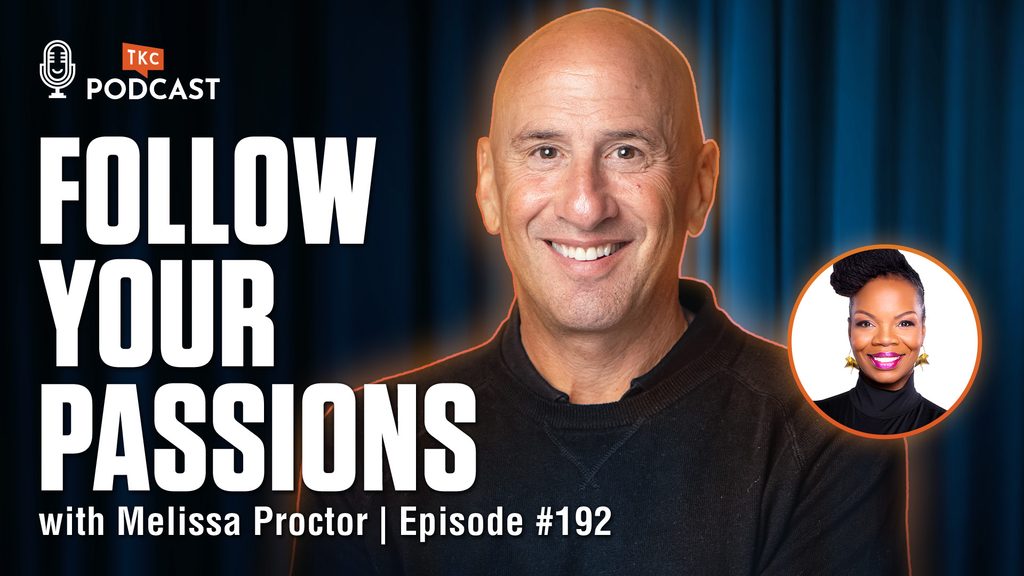
Your Career Could Show Up Where You Least Expect It with Melissa Proctor
Melissa Proctor's career took her from NBA ball girl to CMO. Here's what her path teaches us about growth, leadership, and career choices.
Read More
Negotiation Is the Most Analog Skill Leaders Can’t Outsource
Negotiation is still a human skill. Here's why the most analog part of work matters more as AI takes over the rest.
Read More
Why High Performers Fall Into the When-Then Trap (and How to Escape It)
High performers often delay their own well-being for "someday." Dr. Robyne Hanley-Dafoe explains why, and what to do instead.
Read More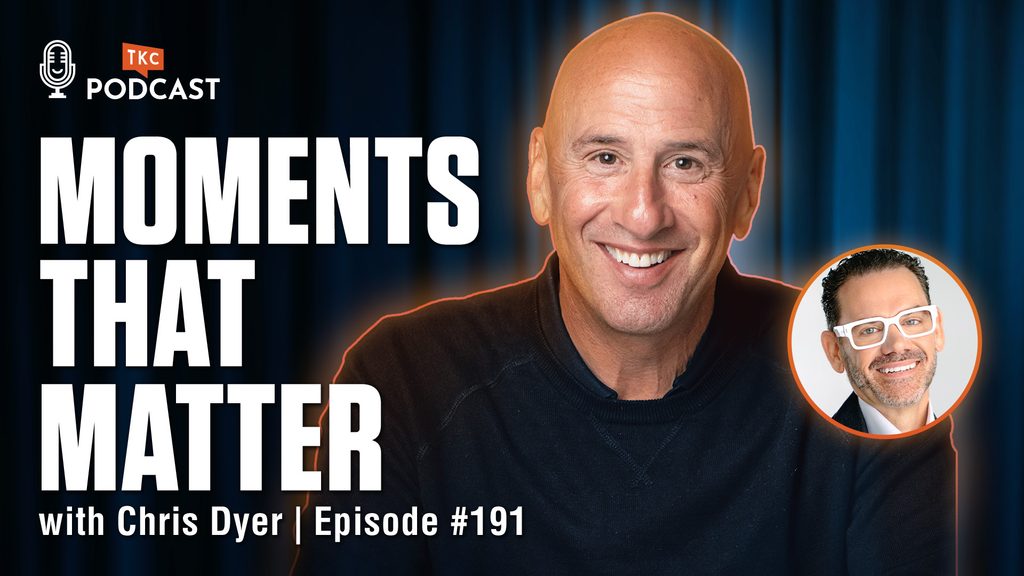
Business Culture Is Built in Small Moments, with Chris Dyer
Chris Dyer explains how everyday leadership moments shape business culture, trust, and whether employees choose to stay.
Read More
25th Anniversary of 9/11
Twenty-five years is a strange distance. It’s long enough for 9/11 to start sounding like history to people who weren’t alive for it, and close enough that many of us can still say exactly where...
Read More
Why Remote Work Is Quietly Breaking Your Team’s Ability to Innovate
Shawn Kanungo explains why remote work quietly damages innovation, even when it boosts individual productivity. Here's the real cost.
Read More