
April 6, 2026Event Planning Strategies to Book the Right Keynote Speaker
Learn how to choose the right event keynote speaker by balancing executive expectations with what your attendees actually want.
Here’s the uncomfortable truth most event professionals already know but rarely say out loud: your executives want one thing, your attendees want another, and somewhere in that gap, your event keynote either lands or falls completely flat.
I’ve sat with this tension long enough to know it doesn’t go away on its own. It has to be managed, strategically and consistently, from the moment you start planning through the final post-event touchpoint. And the professionals who get this right aren’t guessing. They’re listening.
That’s exactly why I wanted to bring Rachel Andrews into this conversation. Rachel is the Global Head of Meetings and Events at Cvent, where she leads a 30-person team responsible for executing more than 1,200 events annually. She also hosts the Great Events Podcast and serves on MPI’s International Board of Directors. With nearly two decades of experience across events of every size and scope, Rachel has developed a clear-eyed, practical approach to one of the most debated decisions in event design: how to choose the right keynote speaker for your event.
What she shared changed the way I think about this process. If you’re responsible for any part of event planning, this one is worth your full attention.
🎤 Watch and listen to the full interview about event planning keynote speakers here
Event Planning Starts with an Honest Look at Your Audience
Before you even think about booking a speaker, you need to ask a more fundamental question: who are you actually planning this event for?
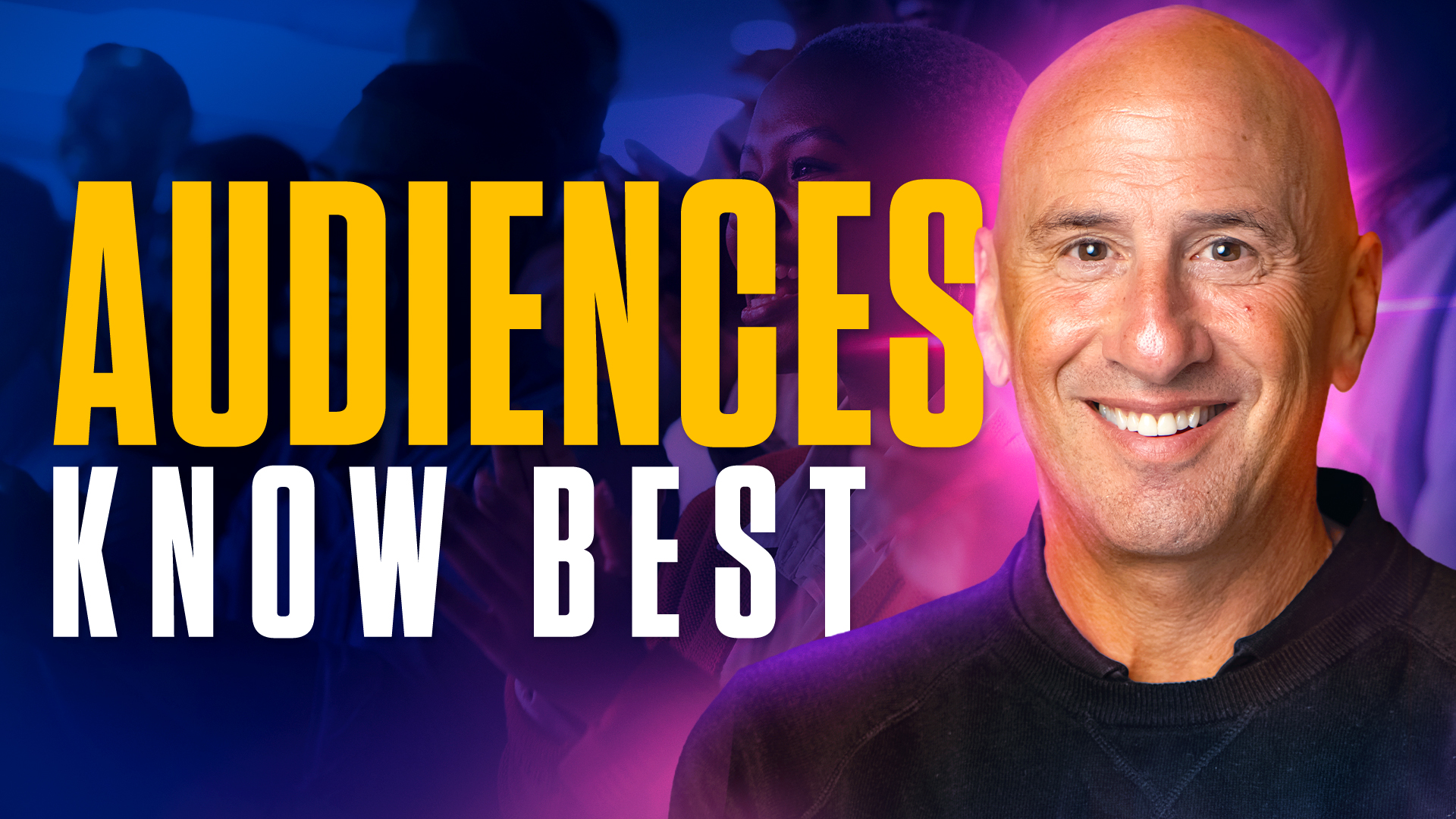
Rachel frames it simply and directly. “Audiences are selfish. They want what they want. They don’t want what you want.” That’s not a criticism of attendees. It’s a reminder that good event planning requires you to put your audience’s needs above your own preferences, and above your executives’ preferences too.
This is harder than it sounds. When leadership has a vision, a name they’re excited about, or a speaker they think will impress the board, it creates real internal pressure. But Rachel’s experience has taught her that impressive on paper doesn’t always translate to meaningful on stage. A big-name celebrity might generate buzz before the event, but if that person doesn’t connect with your specific audience, the investment quietly fails.
The better approach is to survey your attendees before you ever start the booking conversation. Ask them directly: what format do they want? A celebrity keynote? An industry influencer? An interactive workshop? The answers will often surprise you, and they will almost always give you better information than internal assumptions ever could. Understanding what drives your attendees to register, what they’re hoping to walk away with, and what would make the event genuinely valuable to them is where smart event planning always begins.
Why Crowdsourcing Is Useful but Not Enough
Surveying your audience is essential. But Rachel is clear that crowdsourcing has limits, and treating it as a complete answer is one of the more common mistakes in event planning.
When people respond to surveys in groups, opinions can cluster. Trends emerge. One idea gains momentum, and suddenly the feedback reflects group consensus more than individual need. That’s valuable data, but it’s not a mandate. You still need to apply judgment, weigh the results against your event’s goals, and make a call that serves the whole room, not just the loudest voices in the survey.
Rachel’s team uses pre-event surveys as one input in a larger process, not as the final word. They look at attendee demographics, the purpose of the event, and the relationship between the speaker’s message and the organization’s priorities. They ask whether the content will resonate with someone in sales, someone in operations, or someone in leadership. The goal is a speaker who speaks to the room as a whole, not just to a segment of it.
This is where strong event planning distinguishes itself. Anyone can run a survey. What matters is how you interpret the results and how you use them to make a more intentional choice. If you want to explore more about professional development strategies for your team and audience, that context can help you frame the right questions even before the survey goes out.
The Real Cost of Getting the Keynote Wrong
Rachel has a story she tells carefully, without naming names, about a comedian who was booked for an event and proceeded to offend every segment of the audience. Equally. Comprehensively. “He was an equal opportunity offender,” she says with the kind of wry honesty that only comes from hard-won experience.
This wasn’t a small misstep. It was a costly one. And in the aftermath, the team had to ask how it happened. The answer was that they hadn’t looked closely enough at what the speaker actually talked about. They had a name, they had availability, they had a stage, and they moved forward without doing the deeper work.
That kind of failure is more common than the industry admits, and it’s almost always preventable. The event planning process needs to include a thorough review of a speaker’s actual content: their recorded talks, their typical themes, their approach to different audiences. It also needs to include honest conversations about fit. Does this person’s message align with what we’re trying to accomplish? Will their humor, their storytelling, or their framework land with our specific crowd?
Getting this wrong isn’t just a reputational issue. It’s a financial one. As Rachel puts it, “Why are you spending 300 grand on a celebrity keynote that nobody wants? You could use that money for 25 other speakers.” That’s a line worth printing out and taping to the wall of every planning office. Topics like customer experience and branding and marketing are often better served by focused, relevant speakers than by splashy names who don’t understand the room.
How Relatability Turns a Good Speaker into a Great Event
One of the things Rachel articulates best is the difference between a speaker who is impressive and a speaker who is transformative. The impressive speaker has credentials, a big story, maybe a gold medal or a bestselling book. The transformative speaker takes that story and makes it yours.
She gives the example of athletes on stage. She loves having them. But she’s also learned to watch for the moment when the inspiration stops translating. When someone shares an Olympian’s journey and the audience quietly thinks, “That’s incredible, but I’ll never be an Olympian,” the connection has been lost. The speaker’s story becomes a spectacle instead of a lesson.
The great keynote speakers, Rachel explains, are the ones who build the bridge. They take their extraordinary experience and connect it to something ordinary and actionable. Maybe it’s about goal-setting. Maybe it’s about resilience in the face of setbacks. Maybe it’s about building a team that performs under pressure. Whatever it is, they find the version of their story that lives inside your attendee’s daily work life, and they tell that version.
This is the real craft of keynote speaking, and it’s also the right filter to use when you’re evaluating candidates. Don’t just ask whether a speaker is impressive. Ask whether they’re relatable. Ask whether they can take what they know and make it useful for the specific people sitting in your room. Themes like empowerment and creativity are only meaningful to an audience when they’re grounded in something real and applicable.
The Event Planning Infrastructure That Makes Keynotes Work
Even the right speaker can fall flat without the right infrastructure around them. Rachel’s team invests as much energy in preparation and alignment as they do in selection, because a great speaker delivered badly is still a missed opportunity.
The process starts early. Before the event, Rachel’s team sends event briefs to every key stakeholder, including the emcee. Those briefs aren’t just logistics documents. They’re strategic alignment tools. They communicate the event’s theme, the intended takeaways, the tone, and the specific connection between the speaker’s message and the organization’s goals. The emcee gets a tailored run-of-show that weaves the keynote into the larger arc of the day rather than treating it as a standalone moment.
This kind of alignment work is what separates events that feel coherent from events that feel assembled. When the opening remarks, the MC’s intro, and the keynote itself are all pulling in the same direction, the audience experiences the event as a unified whole. When they’re not, even a strong keynote can feel disconnected.
The alignment work doesn’t stop when the event ends, either. Rachel talks about post-event follow-ups as a significant and underused opportunity. Some speakers, not all, but some, will join a 20-minute Zoom call after the event to continue the conversation around one of their key ideas. That follow-up gives attendees a second moment of engagement, deepens the value of the initial investment, and turns a one-time speech into an ongoing resource. If you’re thinking about how communication flows throughout an event experience, these post-event touchpoints are one of the most effective tools available.
What Happens When You Skip the Prep and Governance
Rachel is candid about the limits of even the most rigorous process. She’s done everything right: sent the speaker brief, scheduled the pre-event call, followed up multiple times, triple-checked the alignment. And then, minutes before the speaker takes the stage, while the mic is being clipped on, she’s heard the question: “So what does this group do again?”
That moment is infuriating. It’s also instructive.
It tells you that governance matters at every step, not just at the beginning. When you book a speaker, you’re not done. The relationship and the process of alignment have to continue all the way to the moment that speaker steps onto the stage. Briefing documents help. Pre-event calls help. But so does consistent, proactive communication throughout the preparation period, especially with higher-profile speakers who may be juggling multiple engagements and may need more reminders to fully internalize your context.
This is part of what Rachel means when she talks about governing the process. You can’t assume that a signed contract and a speaker brief are enough. You have to stay involved, stay communicative, and stay vigilant. The return on that vigilance is a keynote that lands. The cost of skipping it is a stage moment that wastes everyone’s time and budget.
Strong corporate culture is often built through events that feel intentional and well-executed. When keynotes fall flat because the governance wasn’t there, that culture-building opportunity disappears.
Building a Keynote Strategy Rooted in DE&I and Broader Representation
One more dimension Rachel understands well is the importance of representation in keynote selection. Events bring together diverse audiences, and the speakers on stage should reflect that diversity, not as a compliance exercise, but as a genuine commitment to DE&I and to ensuring every person in the room sees themselves in the program.
This extends to speaker backgrounds, perspectives, industries, and lived experiences. When your lineup is too homogeneous, even unintentionally, you send a message about whose stories and expertise you value. When it reflects the real range of your audience and the broader world they operate in, you create space for broader connection, deeper engagement, and more meaningful takeaways.
The best event planning integrates this thinking from the earliest stage of keynote selection, not as an afterthought but as a core criterion. Ask not just whether a speaker is qualified, but whether they bring a perspective your audience hasn’t heard before. Ask whether their presence expands the conversation or simply reinforces what’s already in the room.
Rachel’s work across hundreds of events each year has shown her that audiences respond to this kind of intentionality. When people feel seen and represented in the program, their engagement goes up. And when that engagement is channeled through a keynote that is also relevant, relatable, and well-supported by the surrounding event infrastructure, the result is an event that people talk about long after they’ve gone home.
There’s also a strong business case here. Events that consistently deliver meaningful, inclusive keynote experiences build long-term loyalty, drive stronger registration numbers over time, and create communities of attendees who return year after year, not because of the venue or the food, but because they trust that what happens on stage will be worth their time.
Choosing the right keynote speaker for your event will never be an exact science. But with the right process, the right questions, and the right commitment to your audience, it can be a decision you make with confidence. And if you’re looking for women leaders speakers who bring credibility, authority, and real-world relevance to your stage, the selection process Rachel describes is exactly the kind of framework that gets you there.
When you get the keynote right, the whole event lifts. And when you’ve built the kind of infrastructure and intentionality Rachel describes, you give yourself the best possible chance of getting it right every time.
If you’re ready to build a smarter keynote strategy, I’m here to help you find the speaker your audience actually wants.
📅 Schedule a time to talk about your keynote strategy
✉️ Have questions? Email me directly and let’s figure out the best path forward together
Discover More Insights




Get in TouchContact US
Fill out the form so we can best understand your needs.
A representative from The Keynote Curators will reach out to you.
Our Services
Keynote Speakers Topics
© 2026 The Keynote Curators. All Rights Reserved | Terms and Conditions
The Keynote Curators, 8275 South Eastern Avenue, Suite 200, Las Vegas, NV 89123
Local (310) 299-4595 | Toll Free (888) 585-8715 | info@thekeynotecurators.com
The Keynote Curators - Top Keynote Agency, USA.