
Biography
Book Harlem Globetrotters through The Keynote Curators.
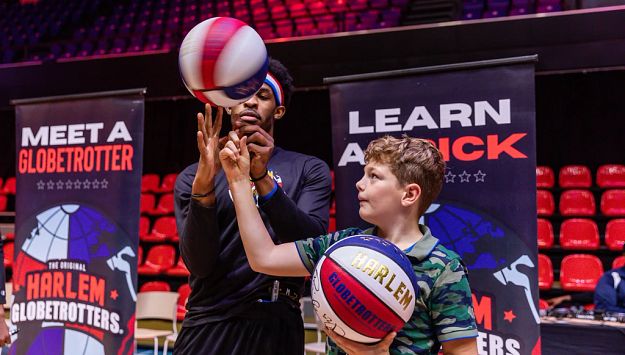
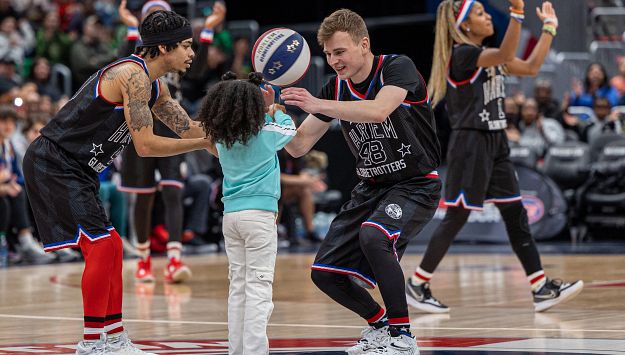
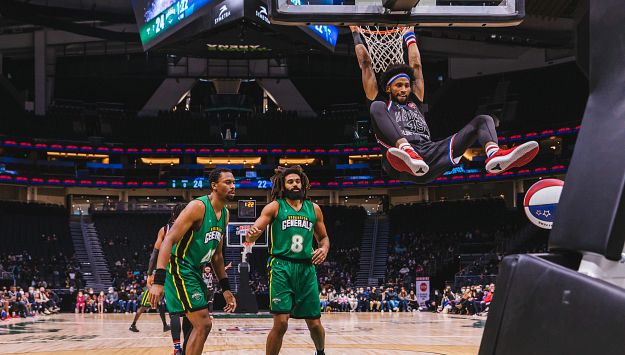
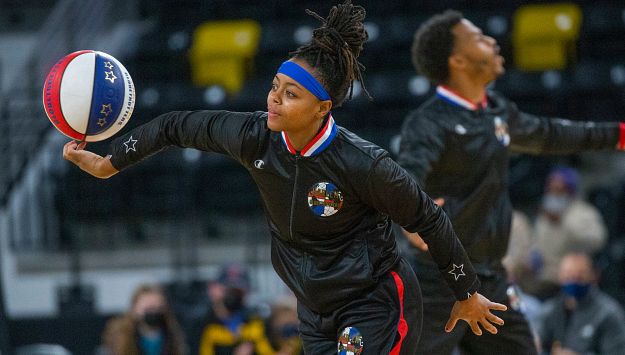
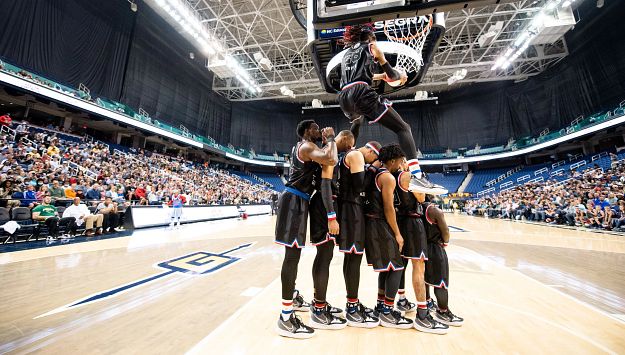
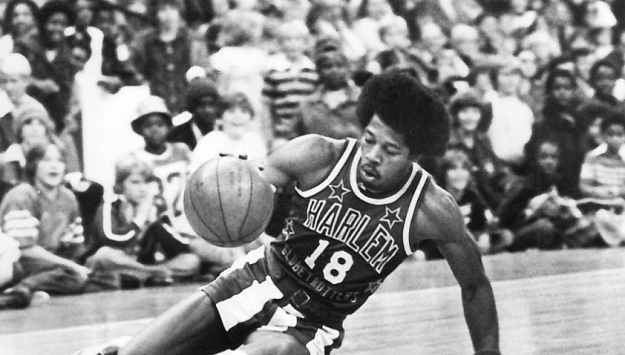
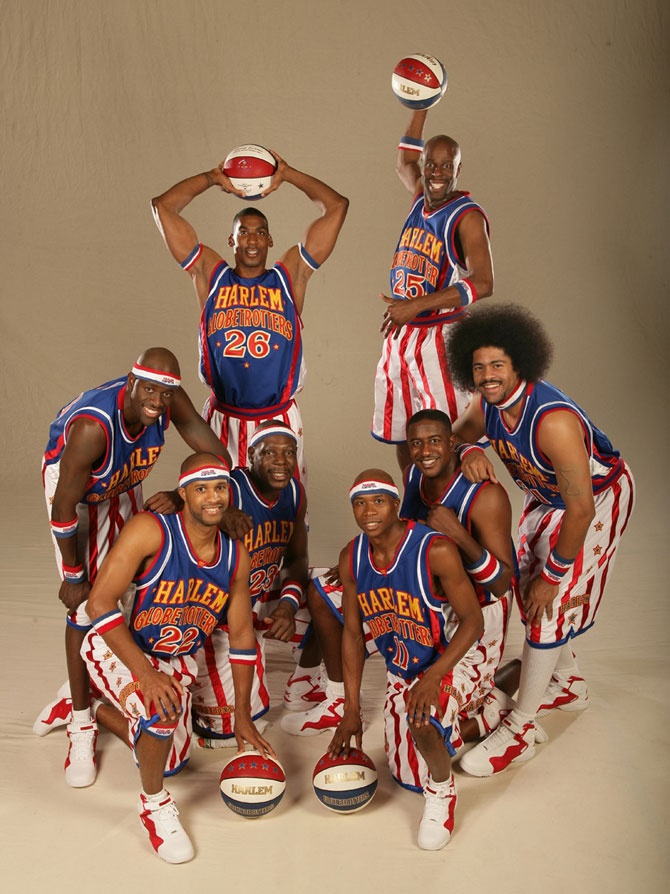
The Harlem Globetrotters, an American exhibition basketball team, were founded in 1926 by Abe Saperstein in Chicago, Illinois. Originally known as the Savoy Big Five, the team adopted the Harlem Globetrotters name to emphasize their African American heritage. They gained fame for their unique blend of athleticism, comedy, and theater, showcasing impressive basketball skills and entertaining performances.
In their early years, the Globetrotters broke racial barriers by playing against all-white teams during a time of segregation in the United States. Their skill and showmanship earned them international acclaim, and they became goodwill ambassadors, promoting sportsmanship and cultural understanding across the globe.
Throughout the 1940s and 1950s, the Globetrotters played competitive basketball against professional teams, even defeating the Minneapolis Lakers, champions of the National Basketball Association (NBA), in 1948 and 1949. Their success helped pave the way for the integration of the NBA.
The Globetrotters continued to innovate, incorporating more comedic elements and theatrical flair into their performances. They introduced iconic moves such as the “Magic Circle,” ball handling tricks, and their signature “weave” offense, captivating audiences of all ages.
Over the decades, the team expanded its reach, performing in over 123 countries and entertaining more than 148 million fans worldwide. They became cultural icons, appearing in movies, television shows, and cartoons, further solidifying their place in popular culture.
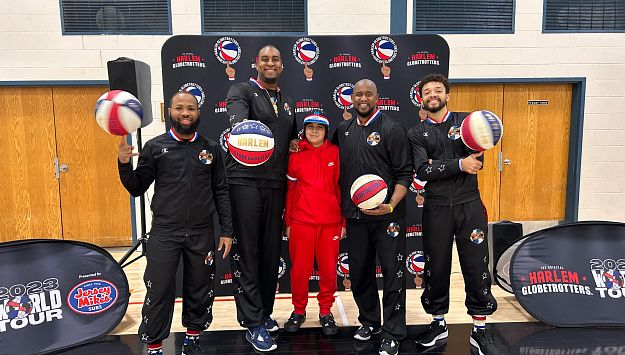
The Harlem Globetrotters have also been committed to philanthropy and community engagement. They have visited schools, hospitals, and military bases, spreading messages of positivity, education, and social justice.
As of today, the Globetrotters continue to tour the world, inspiring new generations with their exceptional basketball skills and entertaining shows. Their legacy endures as a testament to their contributions to sports, entertainment, and global goodwill.
Contact us for Harlem Globetrotters’s fees and availability.
Videos
No Edits! Globetrotters Amazing One Take 2022! | Harlem Globetrotters
On the Harlem Globetrotter's #playitforward

Blog Posts

Magic Card Trick by Jon Dorenbos You Have To See to Believe
Jon Dorenbos performs a jaw-dropping magic card trick that reveals how misdirection, preparation, and mindset create unforgettable moments.
Read More
Courage in Leadership That Turns Fear into Purpose and Action, with Julian Pistone
Discover how courage in leadership transforms fear into purpose and action, with insights from keynote speaker Julian Pistone.
Read More
Positivity at Work Is a Trust Signal, Not a Mood
Positivity at work isn't a mood: it's a trust signal. Here's how to build the conditions where hope is rational and progress is real in your workplace.
Read More
Seven Archetypes of Success Every High Achiever Must Know
Learn the seven archetypes of success from triple Emmy-winning speaker Gaby Natale and how her Virtuous Circle framework can help you get there.
Read More
Fear Is Your GPS, and Michelle Poler Shows You How to Follow It
Keynote speaker Michelle Poler shares how to navigate fear, take brave action, and build authentic brands in this episode of The Keynote Curators Podcast
Read More
Women’s History Month Keynote Speakers Who Change What Happens Next in 2026
Women's History Month demands more than applause; discover keynote speakers who create recognition that drives real change.
Read MoreRelated Black History Month Speakers
Get in TouchContact US
Fill out the form so we can best understand your needs.
A representative from The Keynote Curators will reach out to you.
Our Services
Keynote Speakers Topics
© 2026 The Keynote Curators. All Rights Reserved | Terms and Conditions
The Keynote Curators, 8275 South Eastern Avenue, Suite 200, Las Vegas, NV 89123
Local (310) 299-4595 | Toll Free (888) 585-8715 | info@thekeynotecurators.com
The Keynote Curators - Top Keynote Agency, USA.