
Book Ian Bremmer through The Keynote Curators
Biography
Ian Bremmer is a political scientist who helps business leaders, policy makers, and the general public make sense of the world around them. He is president and founder of Eurasia Group, the world’s leading political risk research and consulting firm, and GZERO Media, a company dedicated to providing intelligent and engaging coverage of international affairs. Ian is an independent voice on critical issues around the globe, offering clearheaded insights through speeches, written commentary, and even satirical puppets (really!).
He is the host of GZERO World with Ian Bremmer, which airs weekly on US national public television. Ian is also a frequent guest on CNN, Fox News, MSNBC, the BBC, Bloomberg, and many other television stations around the world. Ian is credited with bringing the craft of political risk to financial markets, creating Wall Street’s first global political risk index (GPRI), and for establishing political risk as an academic discipline. His definition of emerging markets—”those countries where politics matters at least as much as economics for market outcomes”—has become an industry standard. “G-Zero,” his term for a global power vacuum in which no country is willing and able to set the international agenda, is widely accepted by policymakers and thought leaders.
A prolific writer, Ian is the author of ten books, including the New York Times bestseller Us vs Them: The Failure of Globalism, which examines the rise of populism across the world. He also serves as the foreign affairs columnist and editor at large for Time magazine. He currently teaches at Columbia University’s School of International and Public Affairs and previously was a professor at New York University.
Ian earned a master’s degree and a doctorate in political science from Stanford University, where he went on to become the youngest-ever national fellow at the Hoover Institution. He received his bachelor’s degree in international relations from Tulane University.
Ian established Eurasia Group with just $25,000 in 1998. Today, the company has offices in New York, Washington, San Francisco, London, Brasilia, Sao Paulo, Singapore, and Tokyo, as well as a network of experts and resources in 90 countries.
Contact us for Ian Bremmer fees and availability
Videos
Speech TopicsExpand each topic to learn more
To navigate globalization, every business decision-maker weighs economic variables when considering overseas investments or market exposure. But to spot crucial opportunities and manage risk, they must also understand the political factors and trends changing our world in real-time. Whether it’s increasingly contentious relations between China and the United States, the war in Ukraine, a more complex regulatory environment in Europe, a newly global focus from India, surges of populism in Latin America, heightened competition in Africa, or dozens of other politically driven trends, political analyst and entrepreneur Ian Bremmer will detail how political risk is creating new sets of business winners and losers.
At this presentation, audiences will learn:
How to spot political risk on the horizon and balance it against economic opportunities
How to understand the opportunities, and dangers, of multilayered relations between
Washington and Beijing
How to identify the broader trends remaking tomorrow’s global balance of power
How to process the technological changes now transforming geopolitics
For the past 15 years, the post-Cold War global order has been breaking down, leaving us to respond to a series of crises with both political, market, and business implications. Ian Bremmer explains that geopolitics has entered a bust cycle. The world’s most powerful country— the United States — has become the most politically dysfunctional rich-world country. The world’s most important bilateral relationship — US-China —is deteriorating more quickly than leaders can build new guardrails. Today’s global institutions no longer reflect the world’s true balance of power. The result: a growing vacuum of leadership and cross-border coordination. This geopolitical recession will continue to limit our ability to respond to crises like the pandemic, the Russia-Ukraine war, climate change, and the emergence of disruptive new technologies.
Ian will share ideas and insights to help policymakers and business decision-makers navigate a world in accelerating transition.
In a G-Zero world, one without strong and sustainable international leadership, Ian Bremmer argues we are unprepared for a trio of looming crises—future global health emergencies, transformative climate change, and the next technological revolution. Ian discusses the geopolitics of…
War in Ukraine: How will Russia’s challenge to the existing international system and China’s ongoing effort to find the most profitable role to play in ending it shape the next security order and the future of the global economy?
Climate change: What risks will it create for political and business decision-makers in years to come, and what lessons can it teach us about the future of international cooperation?
Tech: Ian assesses the growing risks of AI, quantum computing, cyberwarfare, and their impact on the future of government, trade, and the international system.
What comes after the G-Zero world order?
Today, it’s not governments but the world’s powerhouse tech companies that set the rules in the digital world. They, not our elected leaders, decide how you and I share ideas and information. They have extraordinary real-time, real-world power. How will the technology titans use that power?
They will transform the ways we work, think, learn, play, and live. We will have longer, healthier and more productive lives that would dazzle those who lived only in a dial-up world. But these same tech companies will also decide the world’s balance of military power, create new trade and investment patterns, and decide the outcome of our race to save the planet from a human-created climate catastrophe.
Ian Bremmer will argue that the tech titans will determine the next world order – and whether we have a brighter future or a world without freedom.
Geopolitics and the future of the global order
Geopolitical implications of AI
Russia-Ukraine War
How this impacts the future global order
Implications for global trade
Unwinding of globalization (tech, labor, supply chains)
Outlook on US-China relations
China’s role in a changing global order
Latest NY Times bestseller The Power of Crisis: How Three Threats—And Our Response—Will Change the World
Geopolitics of climate change
US foreign policy
Booksby Ian Bremmer

Every Nation for Itself
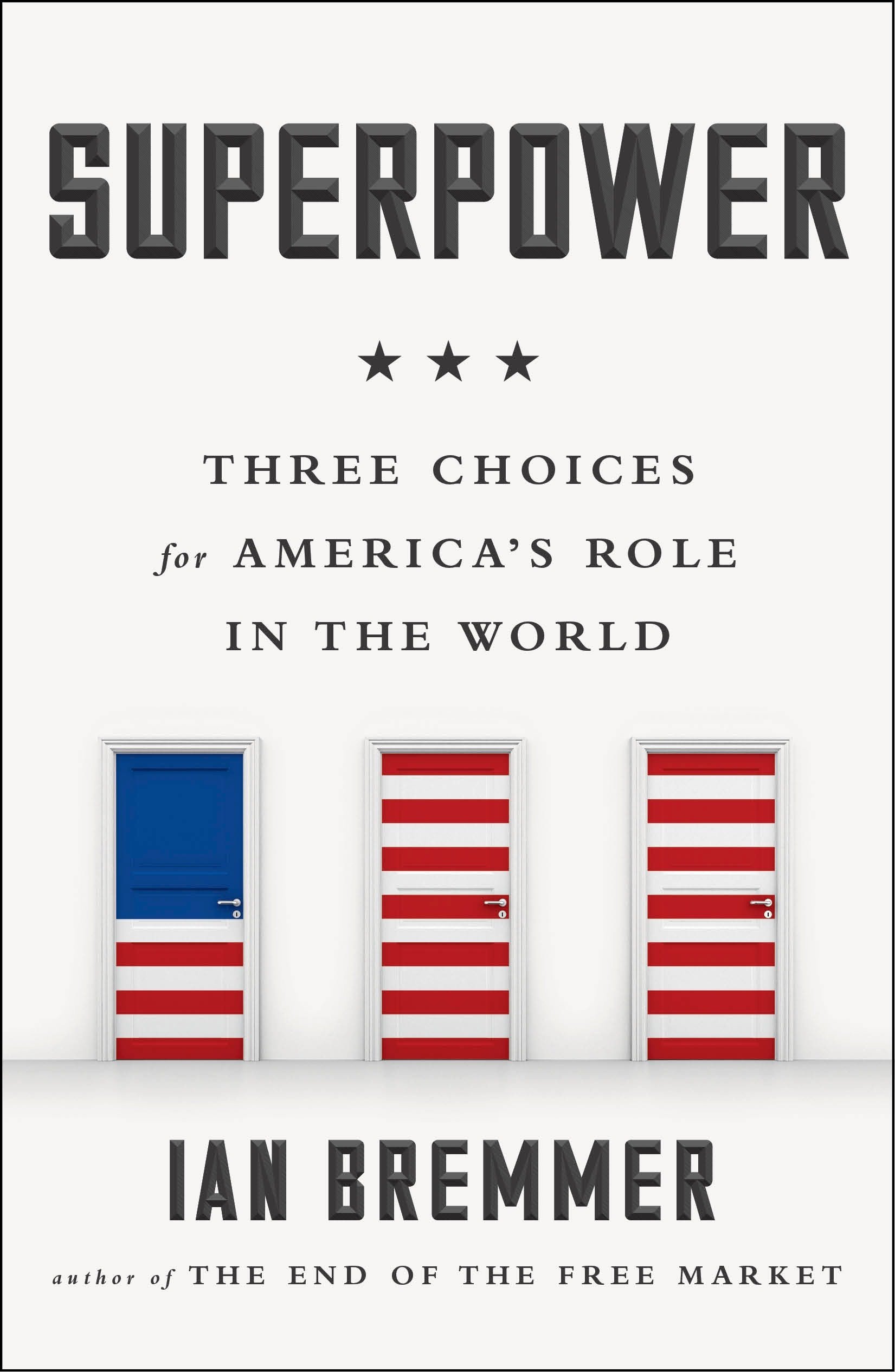
Superpower: Three Choices for America's Role in the World
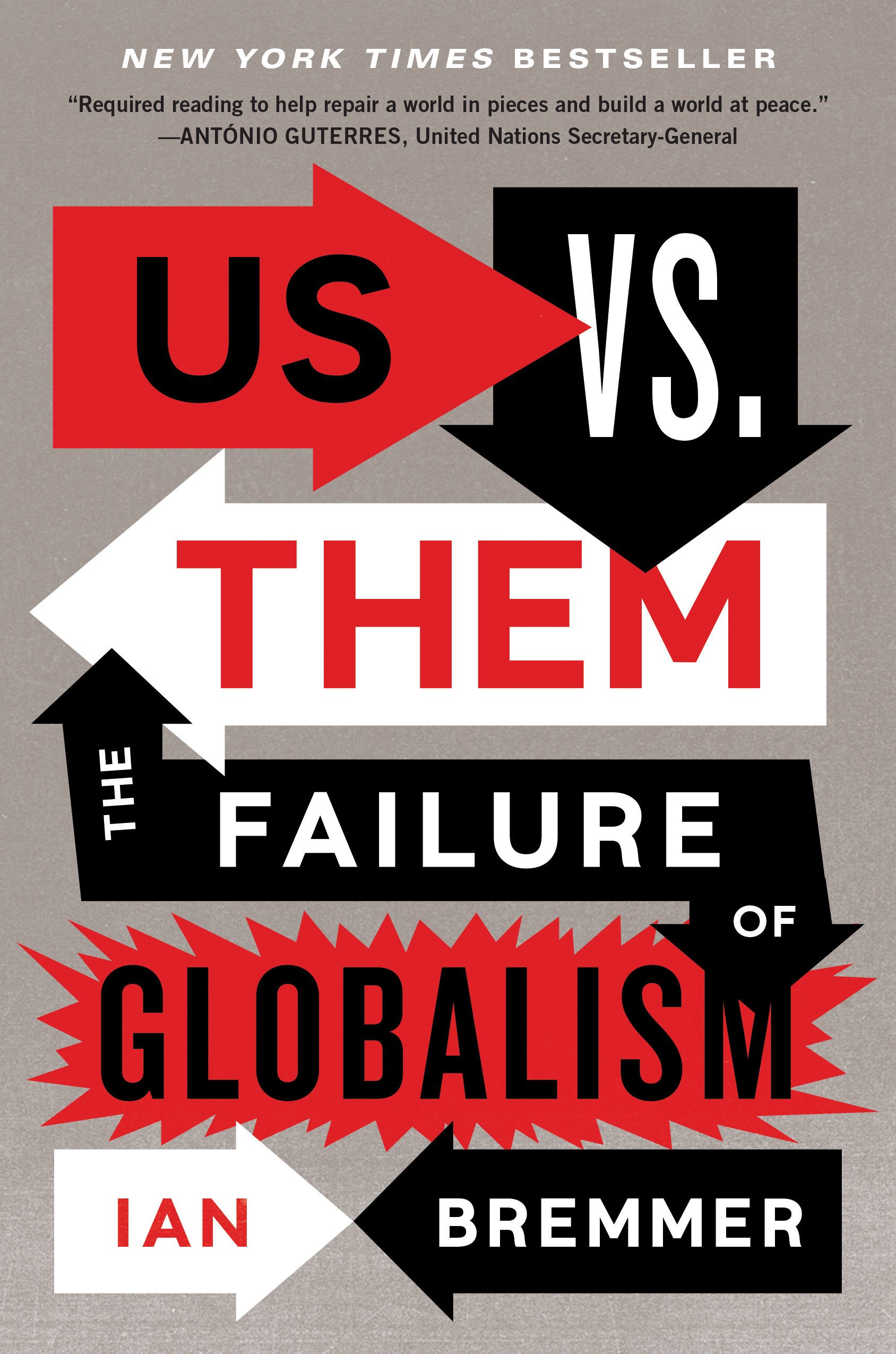
US vs. Them: The Failure of Globalism
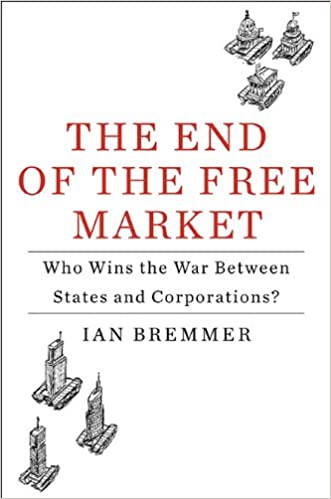
The End of the Free Market
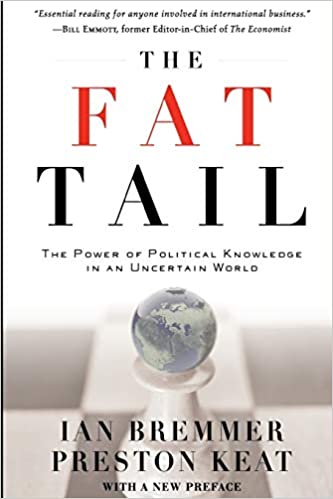
The Fat Tail
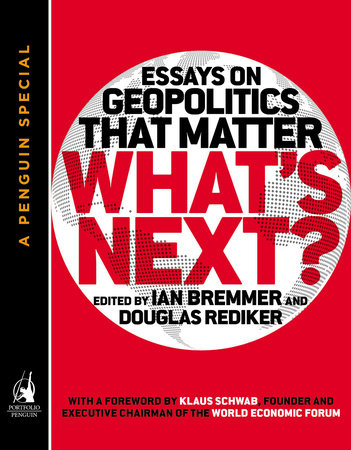
What's Next? Essays on Geopolitics That Matter
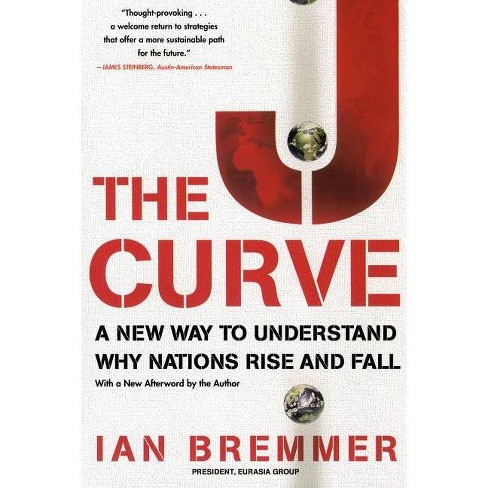
The Curve: A New Way to Understand Why Nations Rise and Fall
For Meeting Planners
Get in TouchContact US
Fill out the form so we can best understand your needs.
A representative from The Keynote Curators will reach out to you.
Blog Posts
Why Curiosity Is the Secret to Real Growth in Business and Life
Discover why curiosity, not busyness, drives real growth. Diana Kander explains how a weekly reset builds curiosity into business and life.
Read More
Your Career Could Show Up Where You Least Expect It with Melissa Proctor
Melissa Proctor's career took her from NBA ball girl to CMO. Here's what her path teaches us about growth, leadership, and career choices.
Read More
Negotiation Is the Most Analog Skill Leaders Can’t Outsource
Negotiation is still a human skill. Here's why the most analog part of work matters more as AI takes over the rest.
Read More
Why High Performers Fall Into the When-Then Trap (and How to Escape It)
High performers often delay their own well-being for "someday." Dr. Robyne Hanley-Dafoe explains why, and what to do instead.
Read More
Business Culture Is Built in Small Moments, with Chris Dyer
Chris Dyer explains how everyday leadership moments shape business culture, trust, and whether employees choose to stay.
Read More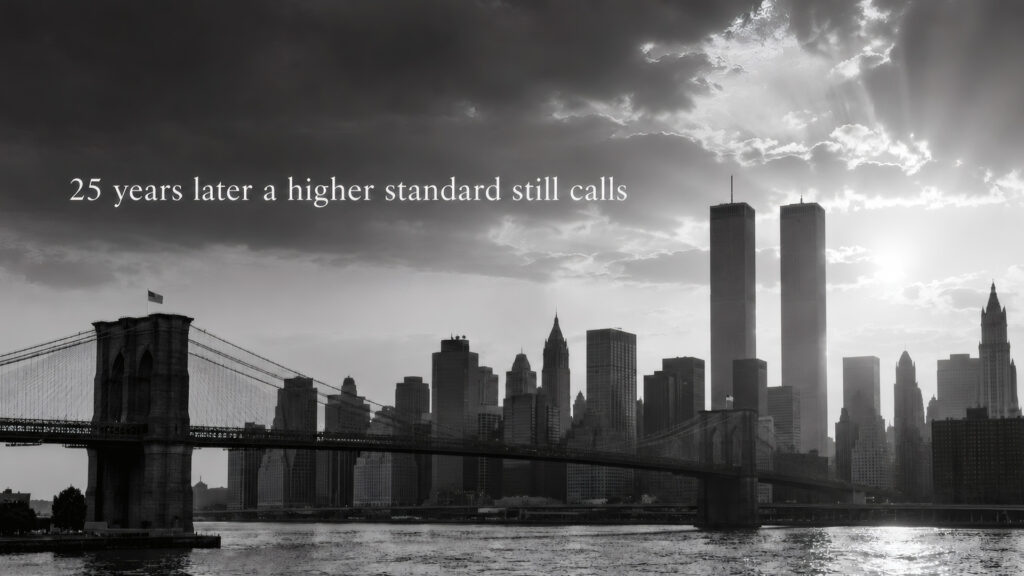
25th Anniversary of 9/11
Twenty-five years is a strange distance. It’s long enough for 9/11 to start sounding like history to people who weren’t alive for it, and close enough that many of us can still say exactly where...
Read More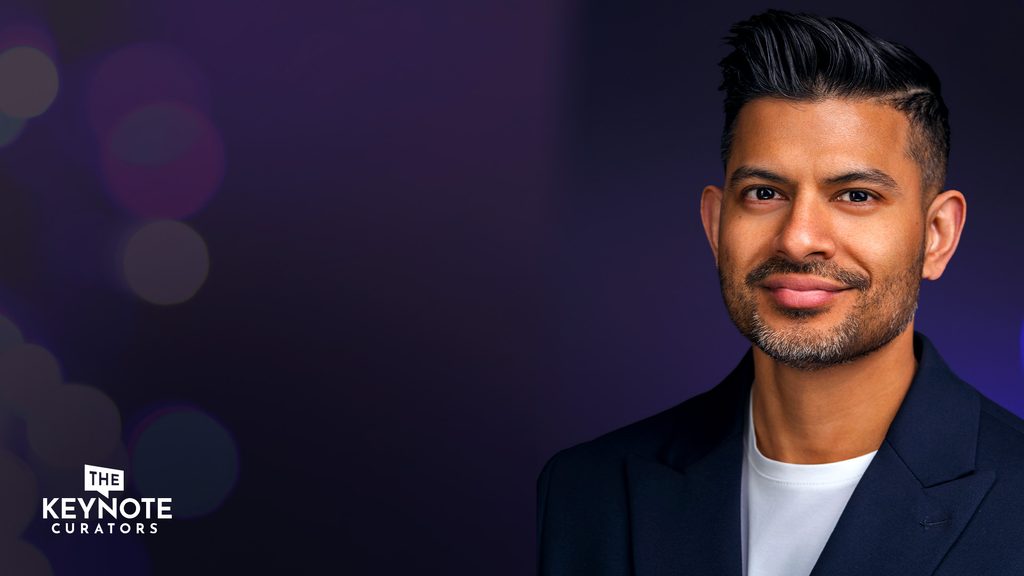
Why Remote Work Is Quietly Breaking Your Team’s Ability to Innovate
Shawn Kanungo explains why remote work quietly damages innovation, even when it boosts individual productivity. Here's the real cost.
Read More
Networking Redefined: Eat, Drink, and Succeed, with Laura Schwartz
Laura Schwartz reveals what real networking looks like: service, presence, and community over status and self-interest.
Read More