
Book Dan Buettner through The Keynote Curators
Biography
Dan Buettner is an explorer, National Geographic Fellow, award-winning journalist and producer, and a New York Times bestselling author. He discovered the five places in the world—dubbed Blue Zones—where people live the longest, healthiest lives. His articles about these places in The New York Times Magazine and National Geographic are two of the most popular for both publications.
Buettner now works in partnership with municipal governments, large employers, and health insurance companies to implement Blue Zones Projects in communities, workplaces, and universities. Blue Zones Projects are well-being initiatives that apply lessons from the Blue Zones to entire communities by focusing on changes to the local environment, public policy, and social networks. The program has dramatically improved the health of more than 5 million Americans to date.
His books, The Blue Zones: Lessons for Living Longer from the People Who’ve Lived the Longest, Thrive: Finding Happiness the Blue Zones Way, The Blue Zones Solution: Eating and Living Like the World’s Healthiest People, and The Blue Zones of Happiness were all national bestsellers.
Buettner has appeared on The Today Show, Oprah, NBC Nightly News, and Good Morning America, and has keynoted speeches at TEDMED, Bill Clinton’s Health Matters Initiative, and Google Zeitgeist. His speech in January 2018 at the World Economic Forum in Davos was chosen as “one of the best of Davos.”
Buettner also holds three Guinness World Records in distance cycling.
Contact us for Dan Buettner fees and availability
Videos
Speech TopicsExpand each topic to learn more
National Geographic writer Dan Buettner has traveled the globe to uncover the best strategies for longevity and happiness. He identified Blue Zones - places that have the greatest life expectancy and where more people reach age 100 than anywhere else. Working with a team of experts, Buettner distilled their secrets into nine common denominators he calls the Power 9™. What is the optimal diet for making it to a healthy age 90? Should you be running marathons or doing yoga? What supplements work? Does stress really shorten your life? Dan debunks the most common myths and offers a science-backed blue print for the average American to live another 12 quality years. Using National Geographic photography and a dynamic delivery, Dan takes audiences to each of the Blue Zones and leaves audience with an actionable plan to live longer, healthier lives.
Science shows that where we live - not education, marital status or wealth - is the biggest, controllable factor that determines our happiness. So where should we live? A tropical island? Paris? Las Vegas? It’s not where you think.
Working with Gallup, The World Values Survey and the World Database on Happiness, Dan and his team found the three pockets around the world where people report the highest level of well-being - or happiness. Then, on assignment for National Geographic, he researched each of these hotspots and distilled down the common denominators in each place. What can governments do to maximize the well-being of their citizens? And more importantly, what can we do as individuals to stack the deck in our favor to maximize happiness?
His presentation incorporates National Geographic photographs and short video clips. It transports audiences to places around the globe where people are living happy and meaningful lives. It offers universal strategies on how to best achieve that life balance we all seek.
In 2009, Albert Lea, Minnesota, a statistically average American city, completed a one year community health experiment that raised life expectancy by three years, trimmed a collective 12,000 pounds off waistlines and dropped healthcare costs of city workers by some 40%. USA Today, Good Morning America, AARP, ABC Nightline, CNN, U.S. News, and World Report all covered the story. Harvard’s Dr. Walter Willett, writing in Newsweek magazine called the results “stunning”. Dan Buettner, founder and director of the AARP/Blue Zones Vitality Project created a “perfect storm” of health that transformed a city. He tells the fascinating story of how one typically obese American city of 18,000 reversed the trend and also got happier. Dan’s presentation takes audiences on the year long journey as this town adopts 28 evidence based ways to change their environment to live longer and better. They got healthier without thinking about it.
Testimonials
Booksby Dan Buettner
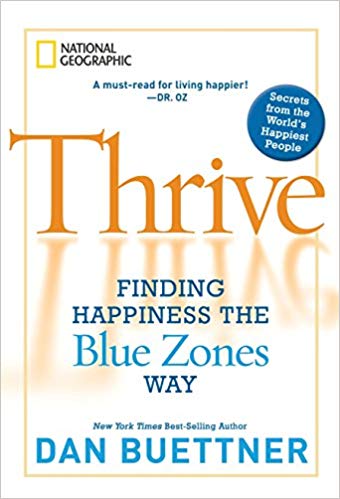
Thrive: Finding Happiness the Blue Zones Way
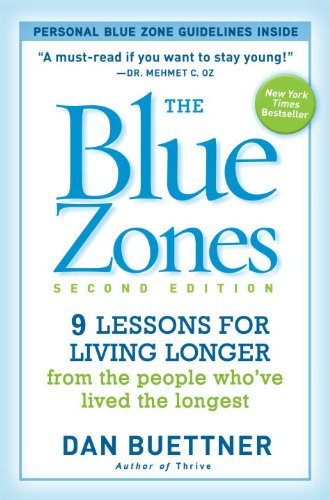
The Blue Zones: Lessons for Living Longer from the People Who’ve Lived the Longest
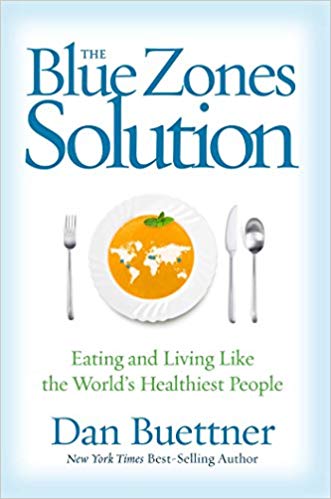
The Blue Zones Solution: Eating and Living Like the World’s Healthiest People
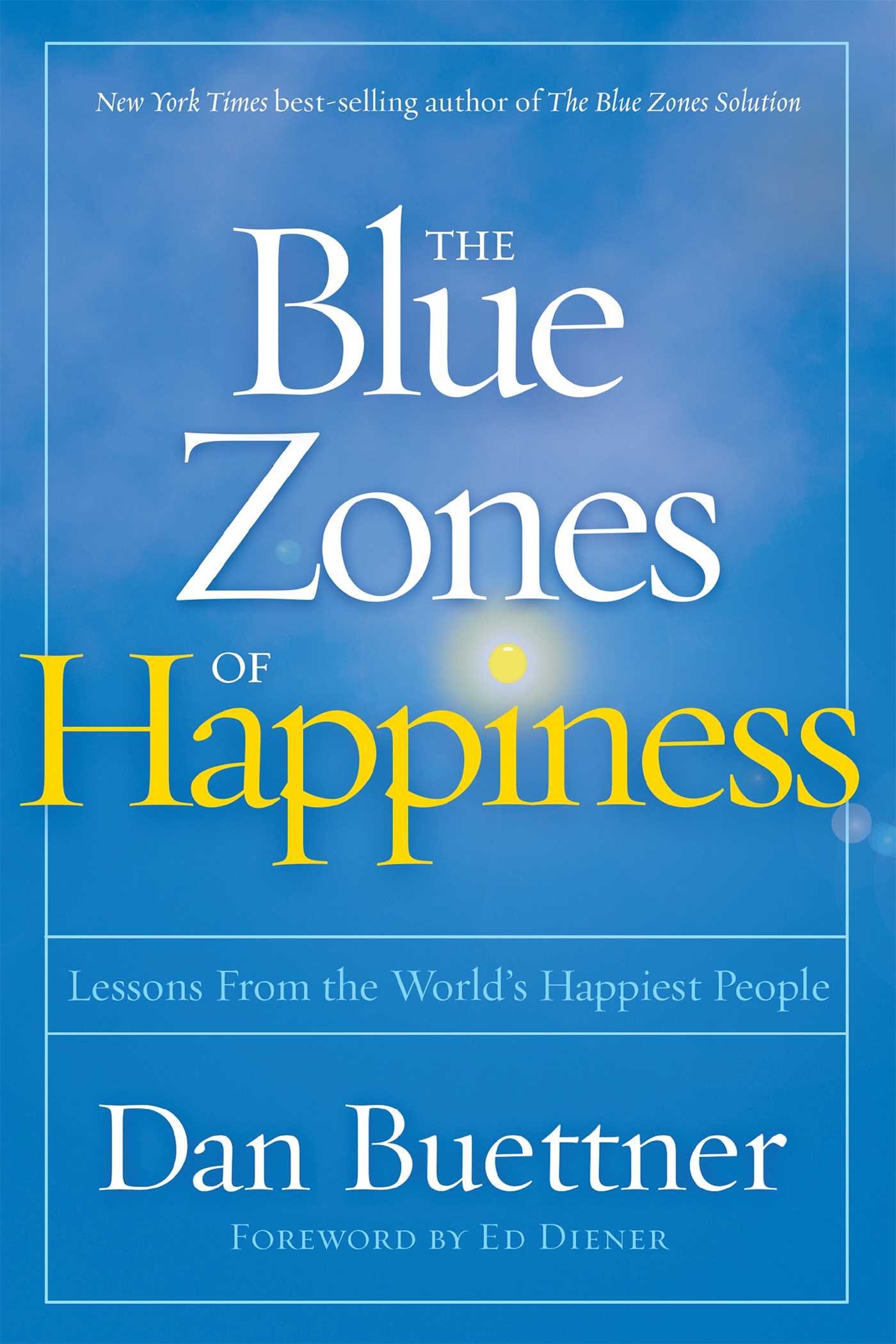
The Blue Zones of Happiness
For Meeting Planners
Get in TouchContact US
Fill out the form so we can best understand your needs.
A representative from The Keynote Curators will reach out to you.
Blog Posts

How to Create Event Experiences People Will Always Remember
What makes an event memorable? Dr. Robyne Hanley-Dafoe explains why full presence beats polls, phones, and gadgets in any live room.
Read More
Leadership Succession Planning Is the Advantage No One Is Building
Leadership succession planning is the biggest competitive advantage most companies ignore. Here's why the gap matters and how to close it.
Read More
Workplace Culture Lessons on Trust and Safety with Danny Goldberg
Danny Goldberg explains how leaders can close the gap between the workplace culture they intend and the one employees actually feel.
Read More
Real Productivity Is About Deciding What Not to Finish Before Year-End
Real year-end productivity means finishing fewer things well rather than everything done. Here is how to choose what deserves your time before December 31.
Read More
What is Psychological Flexibility and Why Leaders Need It Before a Crisis Hits
Psychological flexibility keeps leaders steady in a crisis. Dr. Jannell MacAulay shares what the cockpit teaches about calm under pressure.
Read More
Workplace Communication Patterns That Are Costing You More Than You Think
Melina Palmer explains how poor communication quietly creates friction that costs businesses trust, sales, and loyalty.
Read More
Customer Service Strategies That Actually Work in the Real World
Brad Cleveland breaks down why good customer service is hard work in disguise, and what it takes to get it right in the AI era.
Read More
Resilience Is a Cultural Contingency Plan, Not a Personal Trait
Every event planner knows the moment when resilience stops being a theory. At 7:12 a.m., the group chat lights up. The keynote’s flight is delayed. The ballroom doors open in 48 minutes. The sponsor wants...
Read More