
Book David Michaels, Ph.D., MPH through The Keynote Curators
Biography
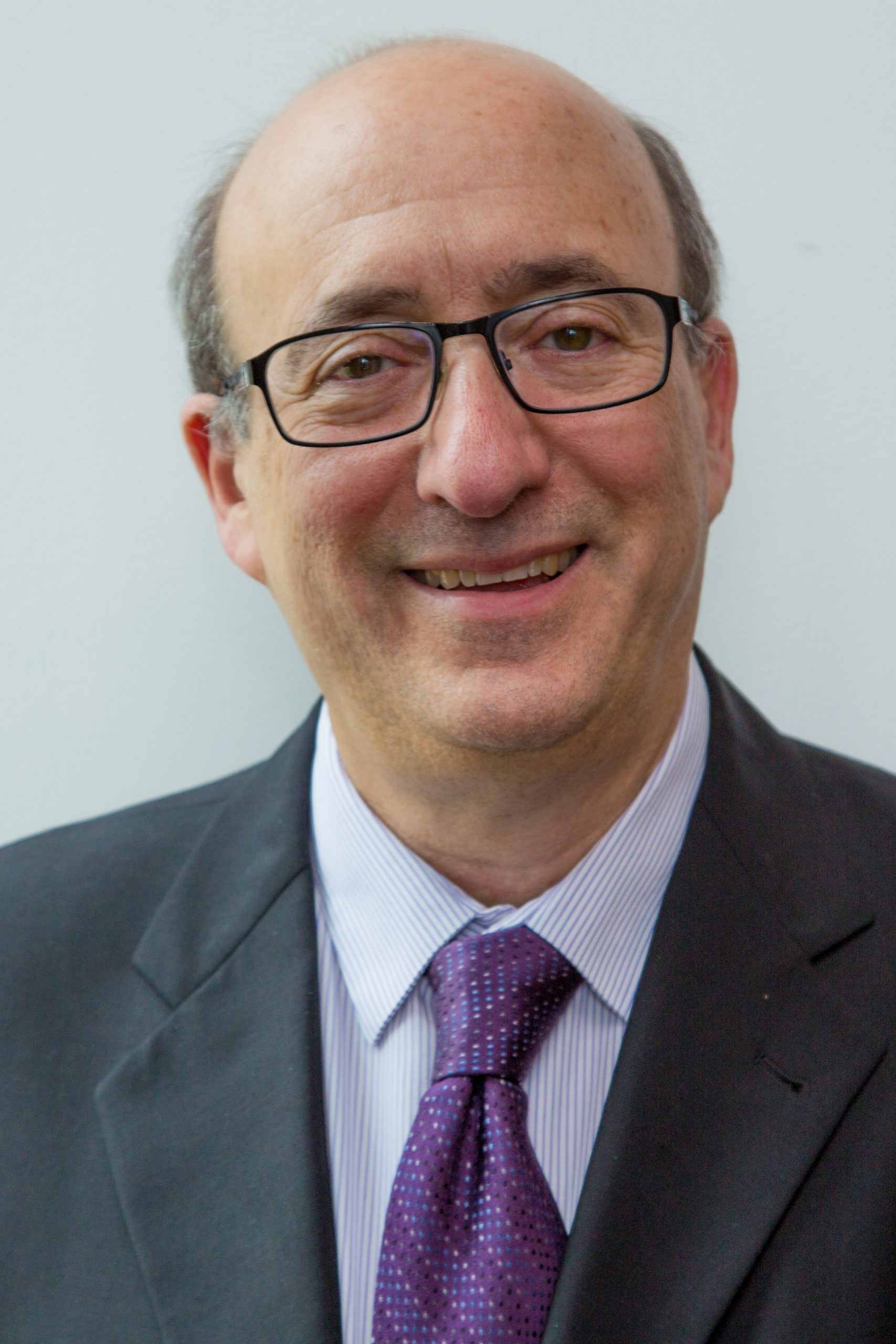
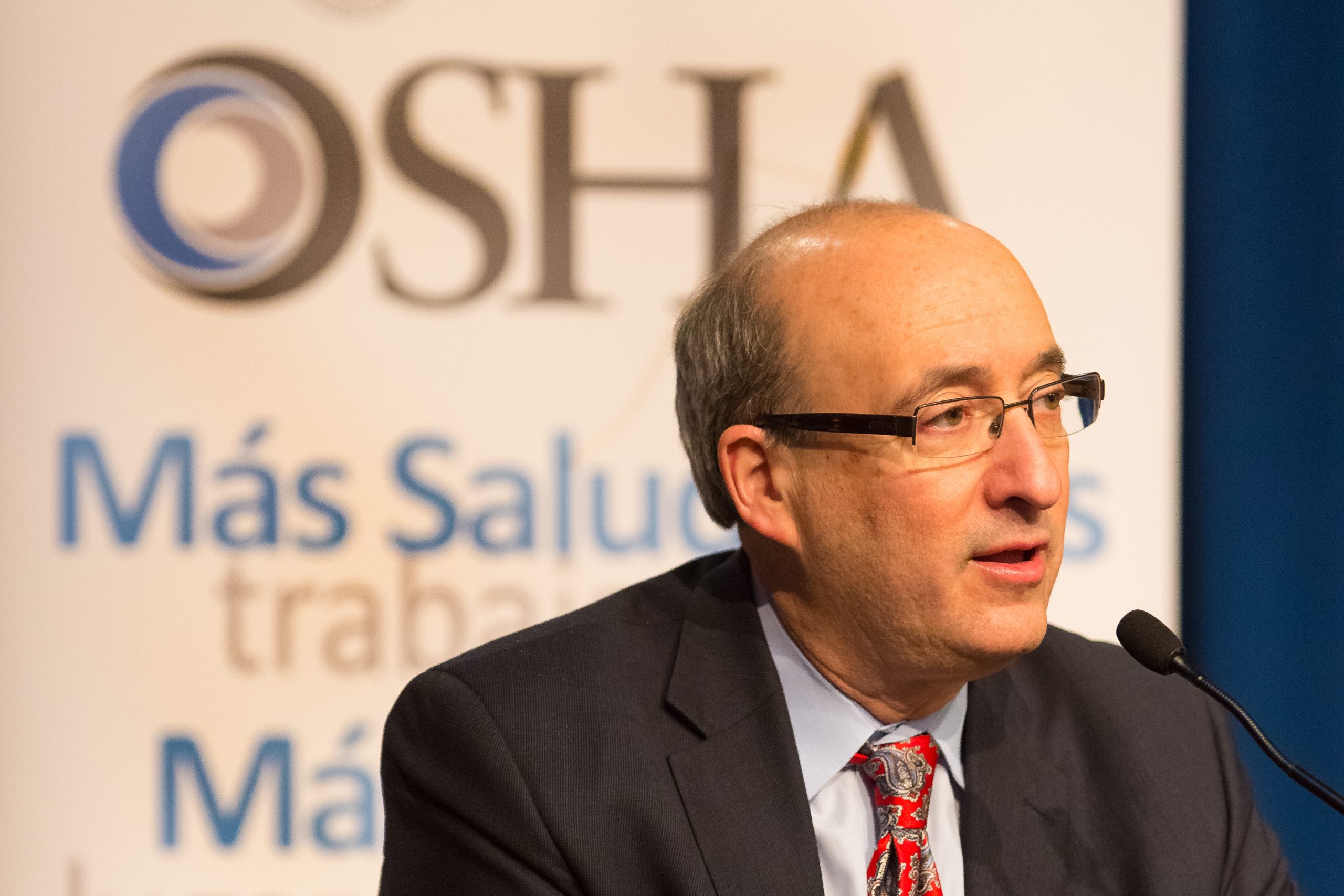
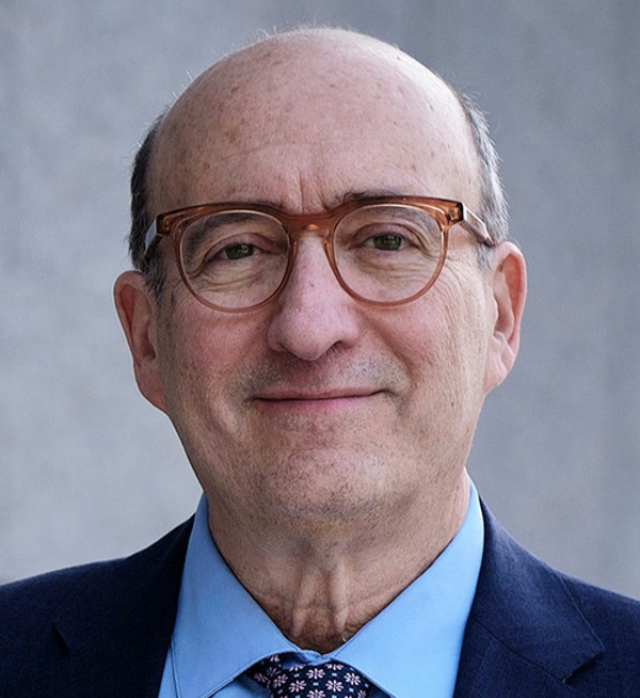
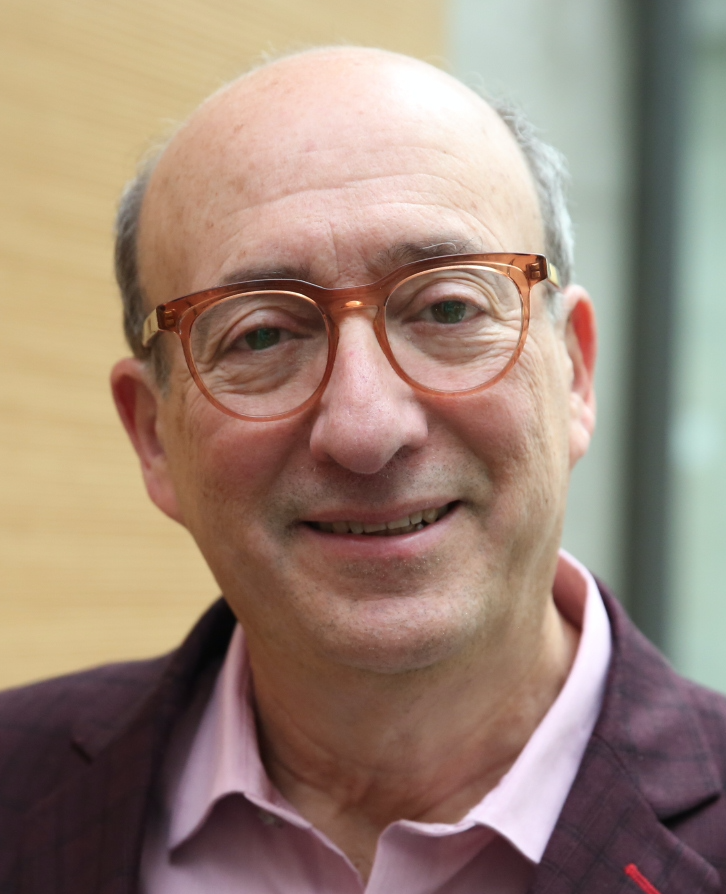
David Michaels PhD, MPH is an epidemiologist and professor at the George Washington University School of Public Health. He is among the country’s leading workplace safety and health, and he has held Senate-confirmed positions in the administrations of President Barack Obama (in which he was Assistant Secretary of Labor for Occupational Safety and Health) and President Bill Clinton (Assistant Secretary of Energy for Environment, Safety and Health).
Since the COVID-19 pandemic began, Michaels has focused on improving the protection of workers exposed to SARS-CoV-2. He has written and consulted extensively on the topic and was a member of the Biden-Harris Transition COVID-19 Advisory Board. He served on the National Academy of Sciences, Engineering and Medicine’s expert panel that developed a Framework for Equitable Allocation of Vaccine for the Novel Coronavirus, and is a founding member of the Lancet COVID-19 Commission’s Task Force on Safe Work, Safe School, and Safe Travel.
Michaels served as Assistant Secretary of Labor for Occupational Safety and Health from 2009 through January 2017, and was the longest serving administrator in OSHA’s history. Much of Michaels’ work has focused is on the relationship between safety and health management systems, operational excellence and sustainability. He has lectured extensively on the topic and directed OSHA’s first activities on sustainability in environment, social and governance (ESG).
Michaels is a leader in efforts to protect the integrity of the science underpinning public health and environmental protections, and is the author of The Triumph of Doubt: Dark Money and the Science of Deception (Oxford University Press, 2020) and Doubt is Their Product (Oxford University Press, 2008), as well as numerous articles in Science, JAMA, and other leading scientific publications.
From 1998 through January 2001, Michaels served as the Department of Energy’s Assistant Secretary for Environment, Safety and Health. In this position, he had primary responsibility for protecting the health and safety of workers, the neighboring communities and the environment surrounding the nation’s nuclear weapons facilities. Michaels was the chief architect of the historic initiative to compensate workers in the nuclear weapons complex who developed cancer or other diseases following exposure to radiation, beryllium and other hazards.
Throughout his career, Michaels has focused on the health of disadvantaged communities and the impact of infectious diseases on underserved populations. He founded and directed the Epidemiology Unit of the Montefiore-Rikers Island Health Service, the first such unit in a jail in the United States, conducting studies on tuberculosis, drug abuse, mental health, homelessness and HIV. In the early 1990s, Michaels developed a widely-cited mathematical model estimating the number of children and adolescents orphaned by HIV/AIDS.
Michaels received the American Association for the Advancement of Science’s Scientific Freedom and Responsibility Award for his work on behalf of nuclear weapons workers and for his advocacy for scientific integrity. He is also the recipient of the American Public Health Association’s David P. Rall Award for Advocacy in Public Health, the John P. McGovern Science and Society Award given by Sigma Xi, the Scientific Research Society, and the American Conference of Governmental Industrial Hygienists’ William D. Wagner Award.
Michaels is a graduate of the City College of New York and holds an MPH (Master of Public Health) and PhD from Columbia University.
Contact us for David Michaels, Ph.D., MPH fees and availability
Videos
Testimonials
Booksby David Michaels, Ph.D., MPH

Triumph of Doubt

Doubt Is Their Product
For Meeting Planners
Get in TouchContact US
Fill out the form so we can best understand your needs.
A representative from The Keynote Curators will reach out to you.
Blog Posts

Negotiation Is the Most Analog Skill Leaders Can’t Outsource
Negotiation is still a human skill. Here's why the most analog part of work matters more as AI takes over the rest.
Read More
Why High Performers Fall Into the When-Then Trap (and How to Escape It)
High performers often delay their own well-being for "someday." Dr. Robyne Hanley-Dafoe explains why, and what to do instead.
Read More
Business Culture Is Built in Small Moments, with Chris Dyer
Chris Dyer explains how everyday leadership moments shape business culture, trust, and whether employees choose to stay.
Read More
25th Anniversary of 9/11
Twenty-five years is a strange distance. It’s long enough for 9/11 to start sounding like history to people who weren’t alive for it, and close enough that many of us can still say exactly where...
Read More
Why Remote Work Is Quietly Breaking Your Team’s Ability to Innovate
Shawn Kanungo explains why remote work quietly damages innovation, even when it boosts individual productivity. Here's the real cost.
Read More
Networking Redefined: Eat, Drink, and Succeed, with Laura Schwartz
Laura Schwartz reveals what real networking looks like: service, presence, and community over status and self-interest.
Read More
Toxic Workplace Culture Starts Quietly and Grows in Silence
A toxic workplace rarely starts with cruelty. It starts with silence. Here's how leaders can spot it early and build real trust instead.
Read More
How to Design Events People Actually Remember with Carrie Davenport
Carrie Davenport on why great events are built on human connection, not just agendas. Lessons for event planners, leaders, and teams.
Read More