
Book Dr. Vivienne Ming through The Keynote Curators
Biography
Theoretical neuroscientist, entrepreneur, author, and mother of two, Dr. Vivienne Ming is featured frequently for her research and inventions in The Financial Times, The Atlantic, Quartz Magazine and the New York Times. Co-founded with wife Dr. Norma Ming, Socos Labs is a mad science incubator dedicated to solving some of the world’s most pressing problems. Previously, Vivienne has pursued her research in cognitive neuroprosthetics as a visiting scholar at UC Berkeley’s Redwood Center for Theoretical Neuroscience.
In her free time, Vivienne works to design AI systems to help treat her son’s diabetes, predict manic episodes in bipolar sufferers, and reunite orphan refugees with extended family members. She sits on the boards of numerous companies and nonprofits. For relaxation, she frequents the sci-fi section of Audible and spends time with her wife and children.
Dr. Ming at a Glance:
- Founder of 12 companies to date and inventor of multiple new technologies in the artificial intelligence, health, and education space
- Expert problem solver leveraging big data to draw previously unknown correlations and solutions
- Advisor and frequent speaker to Fortune 100 companies, C-Suite executives, world leaders, and government officials
Contact us for Dr. Vivienne Ming fees and availability
Videos
Speech TopicsExpand each topic to learn more
AI is a powerful tool with seemingly unlimited potential but it must be better understood to be effective for most organizations. With exclusive research and case studies for each audience’s industry or sector, Dr. Ming shares some of her foundational stories of AI’s breakthroughs, where the technology is being applied, where it could be better utilized, and where it’s headed.
Building a culture that embraces the tension between trust and diversity takes time and effort. When led correctly, diverse teams outperform non-diverse teams in terms of higher collective intelligence, innovation and creative problem solving. However, even when leaders believe in the power of diversity and the value proposition for diverse teams, many struggle to capture this value – because of the way we’re wired.
In this keynote and/or discussion, Dr. Ming shares: the complexity of The Neuroscience of Trust and how our brains process information about other people, why creating a culture of trust in diverse teams is harder than it looks, and what we need to do about it. Vivienne shares research and experience in real organizations and has explored ways leaders and teams can “hack” their brains and overcome instincts that impede their ability to hire and nurture winning diverse teams.
These same ideas can be applied to how sales teams connect, build and maintain relationships with customers, how marketers better understand target audiences, and leaders can leverage special, ultra-diverse teams for special projects and key initiatives.
There is an unspoken tax that we all pay. It is a tax that impedes growth and stagnates economies, a tax that causes massive amounts of money and productivity to be lost every year. This tax is collected around the world and often targets those least able to pay it. It is the tax on being queer, POC, or female. It is the tax on being different.
Dr. Vivienne Ming provocatively addresses this tax by making it tangible. Leveraging massive amounts of HR data, she rewrites issues of bias and discrimination in order to understand and quantify what your differences are costing you. Simultaneously didactic and richly autobiographical, The Tax on Being Different combines vibrant life stories with profound insights about people and, more importantly, how we can change them for the better.
Booksby Dr. Vivienne Ming
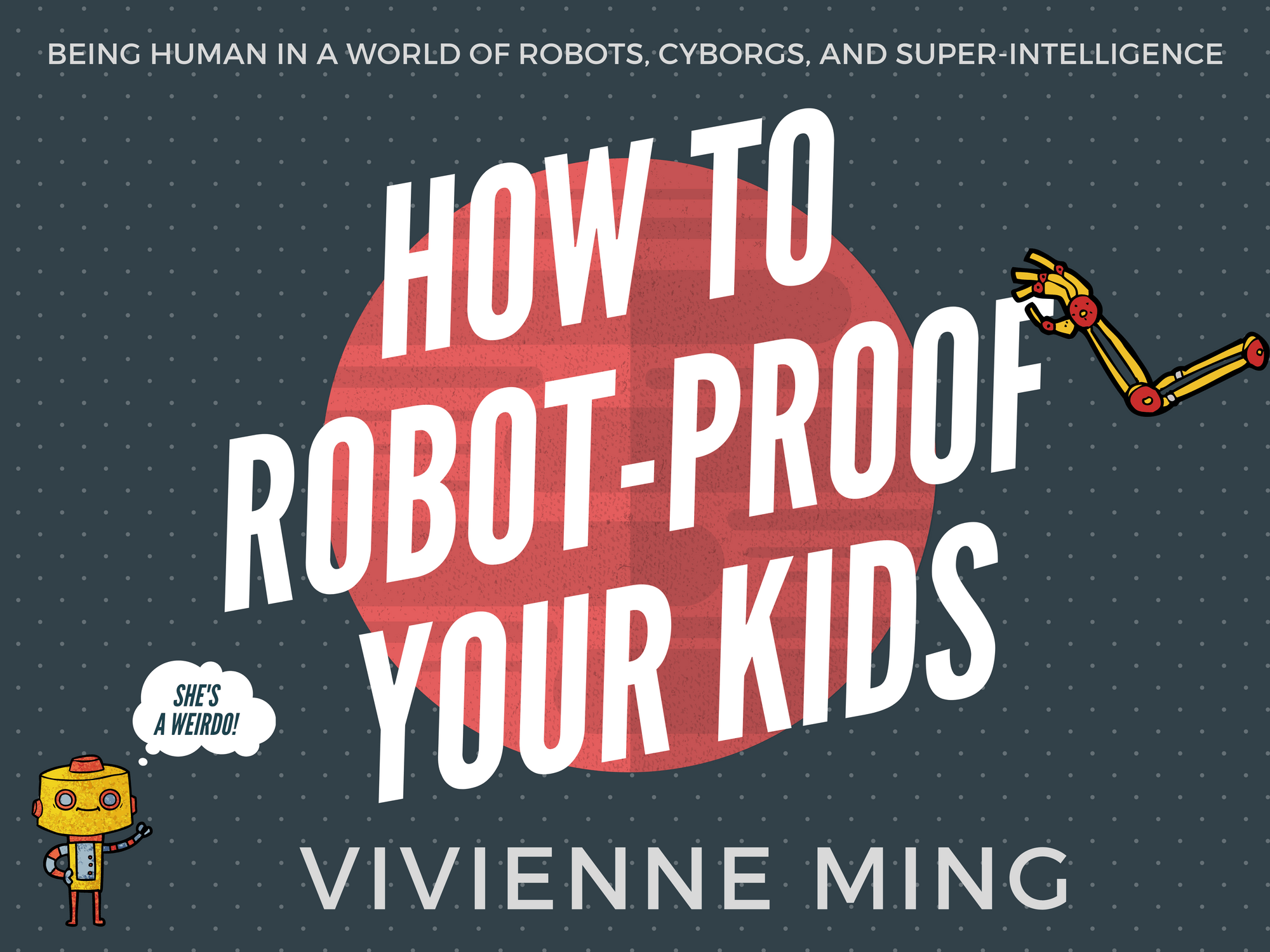
How to Robot-Proof Your Kids
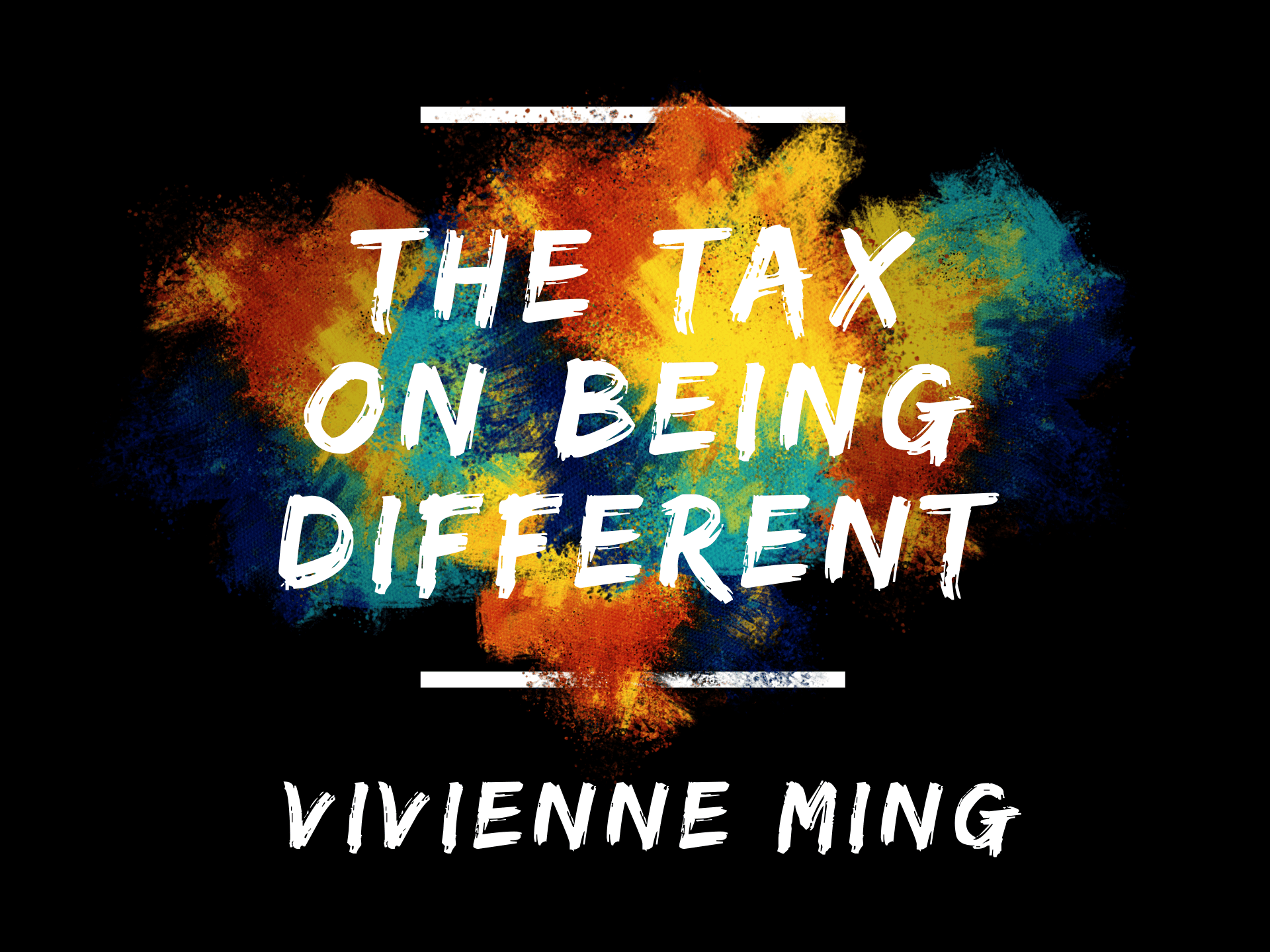
The Tax on Being Different


Get in TouchContact US
Fill out the form so we can best understand your needs.
A representative from The Keynote Curators will reach out to you.
Blog Posts

Breast Cancer Awareness Needs More Than Pink Ribbons and Good Intentions
Breast cancer awareness doesn't end in October. Here is what real workplace support and easier access can look like all year.
Read More
How to Create Event Experiences People Will Always Remember
What makes an event memorable? Dr. Robyne Hanley-Dafoe explains why full presence beats polls, phones, and gadgets in any live room.
Read More
Leadership Succession Planning Is the Advantage No One Is Building
Leadership succession planning is the biggest competitive advantage most companies ignore. Here's why the gap matters and how to close it.
Read More
Workplace Culture Lessons on Trust and Safety with Danny Goldberg
Danny Goldberg explains how leaders can close the gap between the workplace culture they intend and the one employees actually feel.
Read More
Real Productivity Is About Deciding What Not to Finish Before Year-End
Real year-end productivity means finishing fewer things well rather than everything done. Here is how to choose what deserves your time before December 31.
Read More
What is Psychological Flexibility and Why Leaders Need It Before a Crisis Hits
Psychological flexibility keeps leaders steady in a crisis. Dr. Jannell MacAulay shares what the cockpit teaches about calm under pressure.
Read More
Workplace Communication Patterns That Are Costing You More Than You Think
Melina Palmer explains how poor communication quietly creates friction that costs businesses trust, sales, and loyalty.
Read More
Customer Service Strategies That Actually Work in the Real World
Brad Cleveland breaks down why good customer service is hard work in disguise, and what it takes to get it right in the AI era.
Read More