
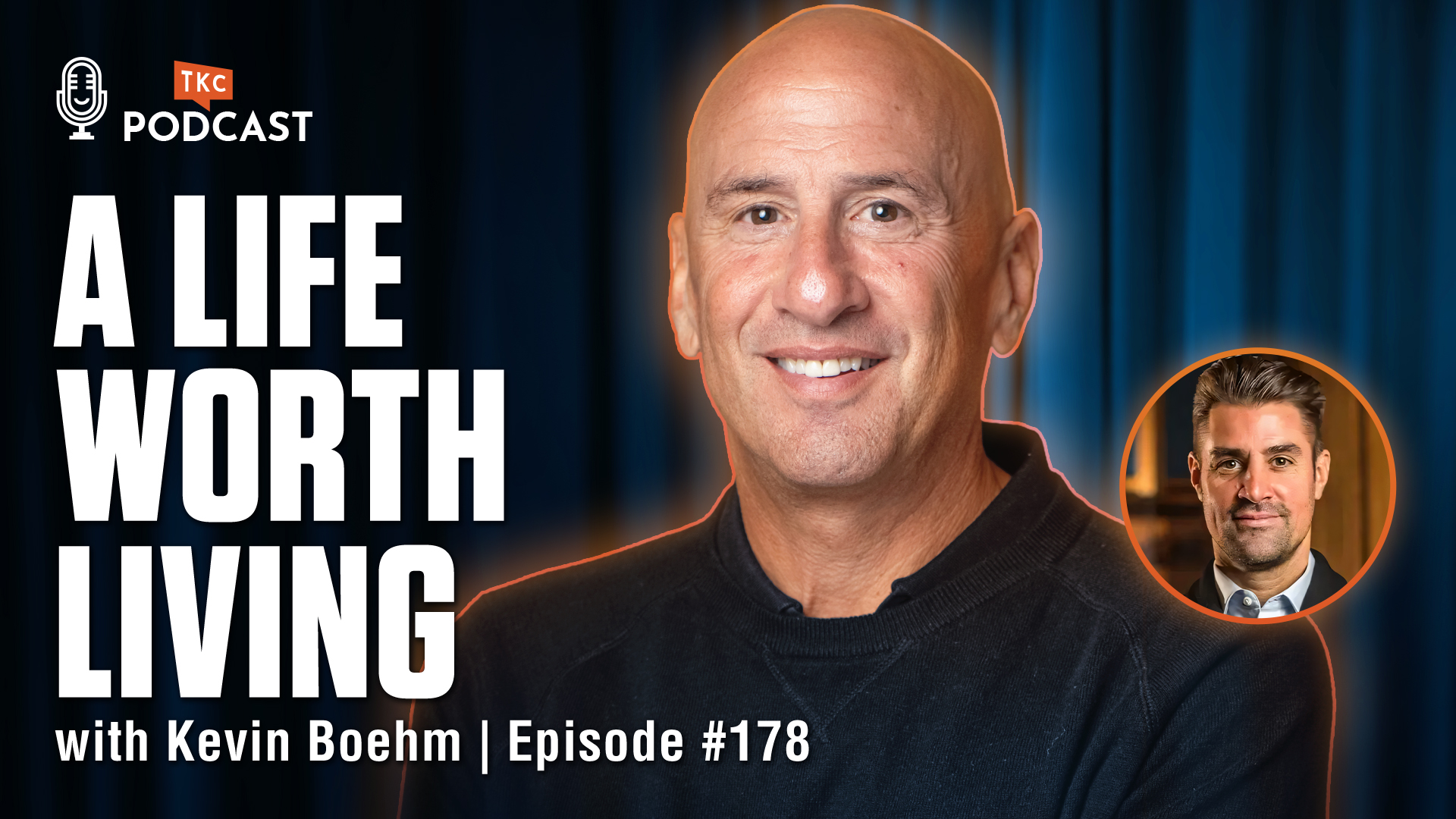
June 29, 2026True Authenticity Starts With Knowing Yourself, with Kevin Boehm
Kevin Boehm reveals why authenticity in business starts with knowing yourself and how leaders can build success that actually means something in this episode of The Keynote Curators Podcast.
Success is one of the easiest places to hide. That idea sounds simple until you sit with it long enough to feel uncomfortable. Most of us spend our professional lives chasing wins, celebrating them, and then chasing the next ones, without ever pausing to ask whether any of it connects to who we actually are. Authenticity is the word that keeps surfacing in conversations about leadership, business, and what it means to build something that matters.
But for all the times we say it, few people actually practice it; it isn’t a brand strategy or a communication style. It’s a reckoning. And the conversation I had with Kevin Boehm made that clearer than almost anything I’ve encountered in my years of working with keynote speakers.
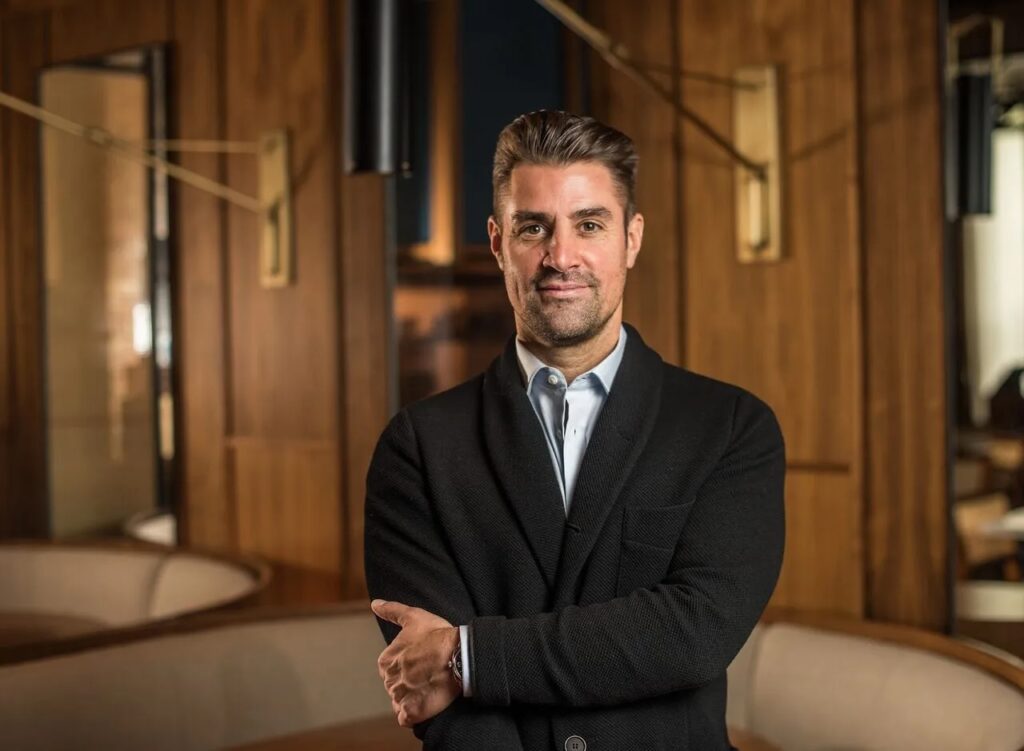
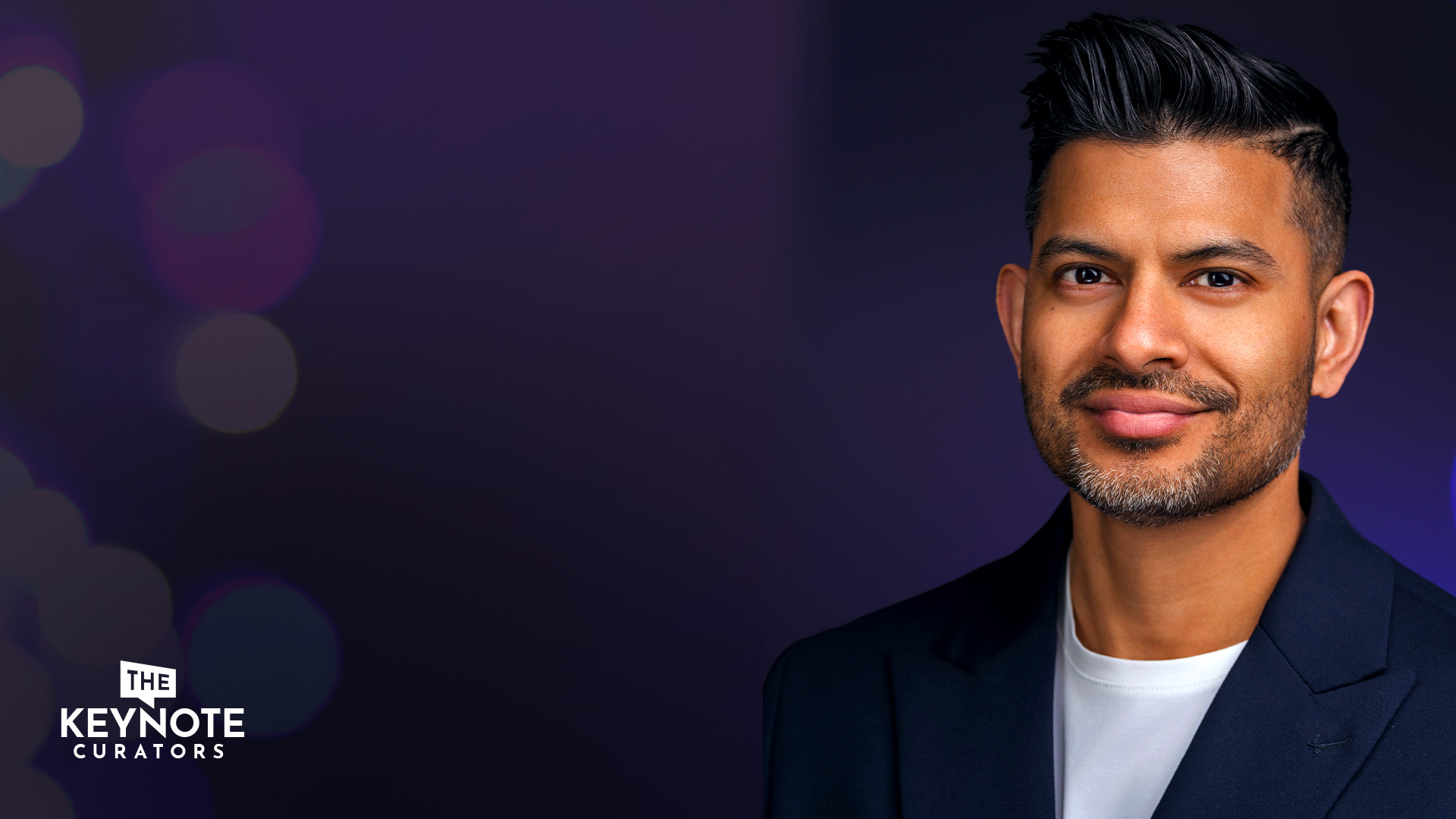
Kevin Boehm is a James Beard Award-winning restaurateur, co-founder and co-CEO of Boka Restaurant Group, and the author of The Bottomless Cup: A Memoir of Secrets, Restaurants, and Forgiveness. He’s opened more than 40 restaurants over 30 years and built one of the most respected hospitality businesses in the country. By any external measure, he is the picture of success. And yet the story he tells isn’t primarily about restaurants. It’s about authenticity. It’s about what happens when you finally stop performing for the world and start telling the truth to yourself.
🎧 Watch and listen to the podcast episode: YouTube • Spotify • Apple Podcasts • Amazon Music
The Achievement Trap Nobody Talks About
There is a particular kind of professional success that functions like a drug. Each win produces a rush, a feeling that you’re on the right track. And then it fades. So you chase the next one. Another restaurant. Another award. Another milestone. The cycle is familiar to anyone who has spent serious time building something. What struck me most about Kevin’s story is that he achieved everything the industry could offer, and still found himself empty. That is worth sitting with, because in our culture, we tend to treat achievement as a proxy for authenticity. We assume that people who’ve built impressive things must have their inner lives sorted out. Kevin’s story is a direct challenge to that assumption.
The restaurant industry is brutal in ways most people don’t see. The margins are thin, the hours are punishing, and the emotional labor of creating experiences that make people feel something, night after night, is relentless. Kevin built his career inside that pressure. He learned early how to perform, how to deliver, how to show up even when the inside didn’t match the outside. Those skills built him an empire. They also built a wall between him and the kind of authenticity that actually sustains a person over the long run.
What makes authenticity so difficult is that we’re often rewarded for its opposite. We learn to perform with confidence when we feel uncertain. We learn to project calm when we’re anxious. We learn to look the part, even when we’re not sure what part we’re playing. The longer we do it, the harder it becomes to find the thread back to ourselves. This isn’t a character flaw. It’s what happens when professional success and personal authenticity are allowed to drift apart without anyone noticing. Kevin’s willingness to examine that gap is what makes his story worth paying attention to. Most people in his position would simply keep building. He chose to stop and look inward.
The Moment That Changes Everything
Every genuine story of personal transformation has a turning point. A moment when a person can no longer sustain the version of themselves they’ve been presenting to the world. For Kevin, that moment came when he made the decision to seek help.
What’s remarkable about the way he talks about this is the absence of drama around it. He doesn’t package it as a collapse. He describes it as a decision. The decision to stop pretending. To admit that something wasn’t working. To acknowledge that all the success in the world hadn’t answered the deeper questions about who he was and what he was actually doing it all for.
That kind of authenticity, the willingness to admit you don’t have it figured out, is harder than it sounds. Especially when you’ve built a public identity around being the person who makes things work. The restaurant business doesn’t reward vulnerability. It rewards competence, control, and the ability to perform under pressure. Kevin had developed all three in abundance. And then he chose to lay them down long enough to do something much harder: be honest.
What I keep coming back to is the kind of courage that is required. Not the dramatic, cinematic kind. The quiet kind. The kind that shows up in small decisions, like telling someone you trust that you’re struggling. Like choosing a therapist’s office over another strategy session. Like sitting still when every instinct tells you to keep moving. Authenticity, real authenticity, is almost never loud. It lives in those quiet moments Kevin referenced, the ones that reveal more about a person than any public victory ever could.
The broader lesson here is one I’ve watched play out across conversations with leaders in many different industries. The turning point rarely looks like the movies. It’s not usually a dramatic breakdown. More often, it’s a quiet accumulation of evidence that the life you’ve been building doesn’t quite fit the person you actually are. The bravery isn’t in a dramatic gesture. It’s in the decision to pay attention.
Authenticity as a Business Strategy
One of the things that makes Kevin’s perspective so valuable, particularly for business leaders and event professionals looking for the right message, is that he doesn’t separate authenticity from business performance. He treats them as deeply connected. And the numbers behind Boka Restaurant Group support that view.
Ten consecutive Michelin Stars for Boka’s flagship restaurant. Eighteen James Beard Finalist nominations. Two Food & Wine Best New Chefs distinctions. These aren’t the results of luck or clever marketing. They’re the results of a corporate culture built on something real. Kevin and his business partner, Rob Katz, didn’t just build restaurants. They built an environment where talented people wanted to do their best work. And that environment was grounded in authenticity.
What Kevin understands, and what many organizations miss, is that culture isn’t a set of values written on a wall. It’s the aggregate of every interaction, every decision, every moment when leaders choose to either be honest or to perform. When the people at the top model authenticity, it gives everyone else permission to do the same. When they don’t, the whole organization learns to perform instead. And you cannot build lasting excellence on a foundation of performance.
The hospitality industry offers a sharp lens on this because the product is an experience. Guests don’t evaluate the food and service in isolation. They feel the energy of the room. They sense whether the people serving them actually want to be there. They pick up on invisible signals that tell them whether this place cares. That’s not something you can fake, at least not for long. It points to something true about every business: authenticity is a competitive advantage. Not as a talking point. As a practice.
There is also something worth saying about the relationship between authenticity and retention. Great people don’t stay in environments where they have to pretend. They stay where they feel seen, where honesty is valued, and where the culture reflects something they believe in. Kevin built that kind of environment, and it’s a significant reason why Boka has sustained the kind of excellence that earns decade-long Michelin recognition.
Why Serving Others Starts With Yourself
One of the most counterintuitive ideas Kevin shared is one I’ve been thinking about ever since: you cannot consistently give to others from a place of emptiness. Most of us have heard some version of this. But in practice, especially in industries built on service, it’s almost never acted on.
The restaurant world runs on self-sacrifice. You stay late. You absorb stress. You smile through exhaustion. You push through because the team needs you, and the guests are waiting. That mentality produces extraordinary careers. It also produces extraordinary burnout. Kevin has lived on both sides of that equation.
What shifted for him, and this is where authenticity intersects with professional development in a meaningful way, was the recognition that taking care of himself wasn’t a luxury. It was a prerequisite. A person who hasn’t done the internal work, who hasn’t been honest with themselves about their fears, their patterns, and their wounds, is limited in how deeply they can connect with others. The surface can be warm and generous. But there is a ceiling on it. Authenticity removes that ceiling.
This matters enormously for leadership. Leaders who haven’t done the work on themselves tend to lead from ego rather than principle. They make decisions to protect their image rather than to serve their teams. They communicate in ways designed to manage perception rather than tell the truth. And over time, the people around them sense it, even if they can’t articulate it. Authenticity in leadership isn’t just a nice quality to have. It’s the difference between a team that follows out of obligation and a team that follows because they genuinely believe in the person leading them.
Kevin’s personal journey toward authenticity, the willingness to be helped, to be seen, to be honest about his own limitations, made him a better leader and a better partner. Not because it made him softer. Because it made him more real. And real leadership, the kind that actually builds things that last, has always started from that place.
The Framework for a Life That Actually Means Something
What I found most grounding about Kevin’s perspective is that he has developed a personal framework for measuring what a successful life actually looks like. Not in terms of revenue or recognition. In terms of meaning.
He talks about relationships as a core metric. Not transactional ones, but the deep kind. The ones where you can be fully honest. The ones where authenticity is not just allowed but required. It is striking to hear a business leader with his track record describe relationships not as a soft skill or a cultural perk, but as the actual point. The thing that makes the rest of it worthwhile.
This reframing of success is something I’ve noticed in conversations with the most effective leaders in our network. The ones who sustain over decades aren’t the ones who optimized hardest for external metrics. They’re the ones who built internal clarity about what mattered to them and had the discipline to stay aligned with it. That internal clarity is authenticity operating at its deepest level. Not authenticity as a communication style. Authenticity as a compass.
Kevin also talked about the power of words delivered at the right moment. A few honest sentences from the right person, at the right time, can redirect the trajectory of someone’s life. I believe that deeply. And it points to something important about why authenticity matters so much in communication. When someone speaks from an honest place, without performance or agenda, people feel it. It lands differently. It lingers. It does something that polished, managed communication almost never does.
The people in your life who have said things that genuinely changed you probably didn’t say them perfectly. They said it honestly. That’s the variable that mattered. And for a restaurateur who has built his reputation on hospitality, on making people feel something, the recognition that authenticity is the operating mechanism behind every meaningful human connection feels deeply earned. It isn’t abstract. It came from decades of watching what actually works.
What Kevin’s Story Reveals About Leadership
I have been doing this long enough to notice that the most powerful keynote speakers aren’t the ones with the most impressive resumes. They’re the ones who have been honest with themselves about something difficult and found a way to share what they learned without packaging it into a formula. Kevin Boehm is that kind of speaker.
His entrepreneurial story is remarkable on its own terms. He opened his first restaurant at 23, a six-table café in Seaside, Florida. He opened and sold four restaurants before the age of 30. He built Boka Restaurant Group into one of the most respected brands in American dining. These are extraordinary accomplishments. But they’re not what make him worth booking.
What makes him worth booking is that he learned, the hard way, that business success and personal authenticity are not the same thing. And that the pursuit of one without the other will eventually produce a kind of hollow victory that nobody talks about because it doesn’t fit the story we’ve agreed to tell about high achievers.
His book, The Bottomless Cup: A Memoir of Secrets, Restaurants, and Forgiveness, is a natural extension of the ideas he explores in conversation. It isn’t a business book. It’s a human book, one that uses the restaurant industry as a backdrop for exploring deeper questions about identity, authenticity, and what we owe ourselves in the middle of building something for others.
For event professionals looking for a strategy that goes beyond typical leadership content, Kevin delivers something different. He doesn’t speak from theory. He speaks from a life. And that authenticity, grounded in genuine experience rather than constructed narrative, is exactly the kind of message that reaches the people in the room who are quietly navigating the same questions he spent years trying to answer.
What I noticed most in our conversation was how comfortable Kevin is with complexity. He doesn’t resolve the tension between achievement and meaning. He holds it. And in holding it, he gives audiences permission to do the same: to stop pretending they have it all figured out and start building from a more honest place.
Why This Message Is Urgent Right Now
We are living through a moment in professional culture where the conversation about authenticity has become both more urgent and more confused. On one side, there is growing recognition that performance exhaustion is real, that people are tired of pretending, and that leaders who model honesty create better environments. On the other side, authenticity has become a branding term, something to optimize and display rather than actually practice.
Kevin’s story cuts through that confusion because it isn’t strategic. He didn’t decide to lead with authenticity because someone told him it was good for his brand. He arrived at it because the alternative, continuing to hide behind his achievements, stopped being sustainable. That distinction matters enormously. Real authenticity doesn’t start with messaging. It starts with reckoning.
For organizations navigating burnout, turnover, or cultures where people feel like they have to perform rather than contribute, Kevin’s message speaks directly to the root of the problem. The issue often isn’t a strategy problem or a compensation problem. It’s an authenticity problem. People don’t leave companies. They leave environments where they can’t be real. And they stay in ones where they can.
What is useful about Kevin as an empowerment speaker isn’t that he delivers a feel-good message. It’s that he delivers an honest one. The feel-good message sends people back to their desks with a temporary lift. The honest message sends people back with something they can actually use: permission. Permission to be honest with themselves. Permission to ask better questions. Permission to build something that reflects who they are.
That, to me, is the most valuable thing any speaker can offer. Not inspiration in the abstract. Not motivation that fades by Monday. But authenticity modeled in real time, by a real person, who has lived through the cost of avoiding it and come out the other side with something worth sharing.
The Question That Changes Everything
The more I sit with Kevin’s story, the more I think the deepest insight isn’t really about restaurants. It’s about the gap that opens up, almost invisibly, between who we’re performing and who we actually are.
Authenticity isn’t about radical transparency or public confession. It isn’t about wearing your vulnerabilities on your sleeve in every meeting. It’s about doing the internal work of knowing yourself well enough that what you build on the outside actually reflects something true on the inside. Kevin Boehm built an extraordinary career, and somewhere along the way, he had the courage to ask whether the person building it was being honest. That question changed everything.
For leaders, for business growth builders, and for anyone who has ever found themselves succeeding on paper while quietly wondering if something is missing, Kevin’s story is a useful mirror. Not because it offers easy answers. Because it asks better questions. And the quality of the questions we’re willing to sit with is often the truest measure of how seriously we’re taking our own growth.
Business authenticity and personal authenticity aren’t separate conversations. They never were. They are the same conversation. And the leaders who are willing to have it, really have it, with themselves first, tend to build organizations and lives that are actually worth having built. If your audience is ready for that conversation, Kevin Boehm is the right person to start it.
🎤 Explore Kevin Boehm’s keynote speaker profile and see if he’s the right fit for your next event
🎥 Watch the full interview with Kevin Boehm on authenticity and leadership on The Keynote Curators Podcast
📅 Schedule a 15-minute call with our team to talk through your event goals and find the right speaker
Discover More Insights




Get in TouchContact US
Fill out the form so we can best understand your needs.
A representative from The Keynote Curators will reach out to you.