
May 5, 2026The Reach-Out Rule for Mental Health
One simple rule for mental health this May: if someone crosses your mind, reach out. No agenda. Just humanity.
Have you felt it lately? That low-grade hum that never quite turns off. You wake up, grab your phone, and within sixty seconds your nervous system is already bracing for something. Not a crisis, not a panic attack, just… a steady, low-voltage anxiety that follows you from the morning scroll to the evening news. You are not broken. You are not alone. And you are definitely not imagining it.
May is Mental Health Awareness Month, but this year, it does not feel like a topic we discuss politely over coffee. It feels like a weather system. A continuous exposure to headlines, uncertainty, and the kind of digital input our brains were never designed to process at this volume. We are no longer just informed. We are saturated.
So instead of trying to cover every angle of mental health in one blog post, I want to focus on one slice that almost everyone I talk to recognizes instantly: ambient anxiety. That is not a clinical diagnosis. It is a description of a very modern state. You are still functioning. You are showing up, hitting deadlines, answering messages. But underneath it all, you are carrying too much. And the most underrated resource for this moment is not a meditation app or a productivity hack. It is another person who reaches out.
By the end of this piece, you will understand exactly what ambient anxiety looks like in daily life, why a simple “reach-out rule” works better than elaborate strategies, and how a few small, human practices can turn May from a one‑month spotlight into a twelve‑month foundation for steadier mental health. You will also meet several speakers who help teams and audiences talk about this stuff without the usual corporate fluff. Let us begin where the weight actually lives.

What ambient anxiety really feels like (and why it is not just “stress”)
I want to be careful here. When we talk about mental health, it is easy to lump everything together: clinical anxiety, burnout, everyday worry, and that vague sense of unease that follows you like a shadow. Ambient anxiety is not a panic attack. You are not hyperventilating or hiding under your desk. But you are also never fully settling. You finish a task, and instead of feeling relief, you immediately scan for the next thing that could go wrong.
Here is how these mental health struggles show up in real life. You check the news “for just a second” and forty minutes later you emerge with tighter shoulders and a heavier chest. You are tired at the end of the day, but when you try to sleep, your brain keeps cycling through conversations, headlines, and hypothetical problems. You reread a simple text message five times before hitting send, not because it is important, but because you second‑guess everything. You feel busy all day long, yet you never feel settled.
Ambient anxiety is highly functional. That is what makes it sneaky. You can still lead meetings, take care of your family, and hit your goals. From the outside, everything looks fine. On the inside, you are running on a low‑grade hum that drains your patience, your creativity, and your ability to really rest. I have heard people describe it as living with a radio that is never fully off. You can tune it out during the busiest moments, but the moment things get quiet, the static returns.
This matters for workplaces, too. When a team is full of people carrying this hum, collaboration suffers. People become more defensive, less willing to take smart risks, and quicker to misinterpret a Slack message as criticism. The whole culture starts to feel heavier. And the usual wellness benefits—free yoga, mental health days, snack bars—do not touch the root cause. The root cause is not a lack of perks. It is a lack of low‑pressure human connection. Which brings me to a story that went viral for a very good reason.
The story behind “Reasons to Stay” and what it teaches us about reaching out
A few weeks ago, I came across a project that stopped me mid‑scroll. It is called Reasons to Stay, and it was created by a man named Ben West. The idea is beautifully simple. When someone visits the website, they are shown a letter written by a real person, delivered at random. The letter is not advice, not therapy, not a list of coping skills. It is just a human being, somewhere in the world, saying something warm and honest to a stranger who might be struggling. The message is always the same underneath: You are not alone.
Ben created Reasons to Stay in memory of his younger brother, Sam West, who took his own life in 2018. Grief like that could have broken him. Instead, Ben turned his loss into a practice of care. He ran the London Marathon carrying a flag with thousands of names of people lost to suicide. The actor Jennifer Aniston even amplified his story on Instagram, which tells you something important: this message traveled not because it was polished, but because people desperately needed the reminder that a simple reach‑out can change a moment, sometimes a life.
You can follow Ben’s ongoing work on Instagram at @iambenwest. What I love about his project is that it does not just offer support. It also invites participation. Anyone can write their own anonymous letter to a stranger. That act of writing, of putting warmth into words for someone you will never meet, is itself a form of mental health maintenance. It pulls you out of your own head and reminds you that connection is a two‑way street.
The lesson for all of us is deceptively simple. Beneath the noise of awareness campaigns and corporate wellness slides, a quiet truth still holds: the most underrated mental health resource is a person who reaches out. Not a professional (though professionals are vital). Not a hotline (though hotlines save lives). Just a coworker, a friend, or a family member who says, “Hey, you crossed my mind. No agenda.”
Why the reach‑out rule works better than any complicated strategy
Let me name the rule explicitly, because I want you to try it today. The reach‑out rule is this: if someone crosses your mind, reach out. That is it. No dissertation. No perfect paragraph. No expectation that you will solve their problems or become their therapist. Just a low‑friction, low‑pressure message that says, “I see you. You exist. And I am here.”
Here is why this works for mental health in a way that more elaborate plans often fail. When we are carrying ambient anxiety, we tend to isolate. We tell ourselves that we are too busy, that our problems are not serious enough to bother anyone, or that reaching out would be awkward. The anxious mind loves to predict rejection. But the research on social connection is incredibly consistent: even brief, positive, unsolicited contact with another person reduces stress, improves mood, and builds what psychologists call “felt security.” You do not need a two‑hour conversation. You need five seconds of courage.
Think about the last time someone sent you an unexpected, no‑agenda message. Maybe it was a former colleague who said, “Just saw something that reminded me of you.” Or a friend who texted, “How are you, really?” Did that feel intrusive? Probably not. It probably felt like a small gift. That is the asymmetry of reaching out: we assume it will burden the other person, but most people experience it as a relief.
So here are three lines you can use today, adapted from the newsletter. One: “You crossed my mind. No agenda. Just saying hi.” Two: “How are you, really?” Three: “Want to take a quick walk or call this week?” You can send these by text, by voice memo, or even by a sticky note on someone’s desk. The format does not matter. The signal does. You are telling someone that their mental health matters to you, not because you have to, but because you noticed them.
And before you tell yourself that you are not qualified or that you might say the wrong thing, remember this: you are not replacing a therapist. You are replacing silence. Silence is the real enemy of mental health in a hyper‑connected but emotionally distant world. The reach‑out rule is simply a discipline of breaking that silence, one small message at a time.
Mental health does not live on a calendar (why May is a spotlight, not the whole year)
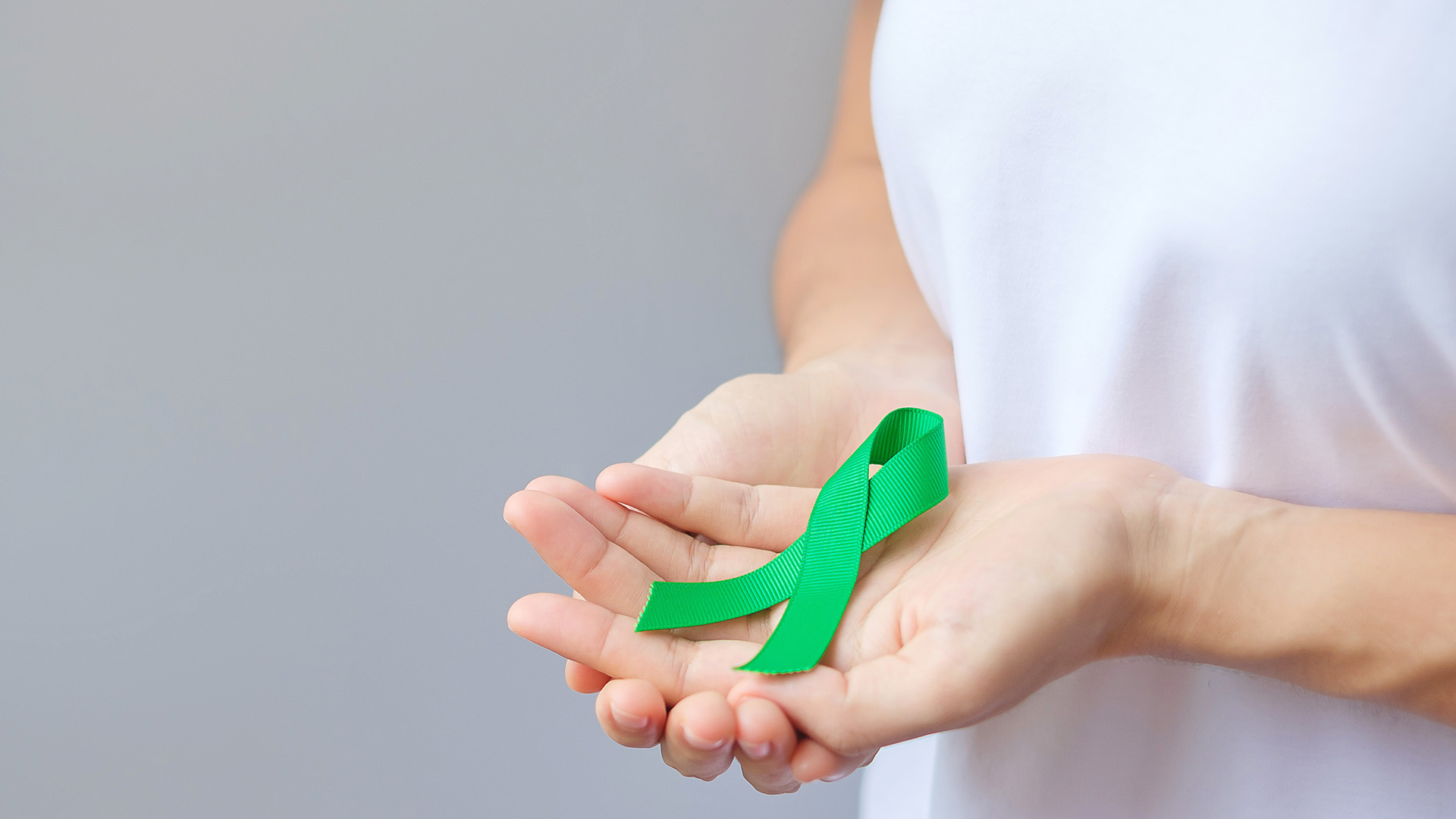
I appreciate Mental Health Awareness Month. It gives us permission to talk openly, to share resources, and to put speakers on stages who might otherwise be overlooked. But I also want to be honest with you. Mental health does not live on a calendar. It lives on February Tuesdays when the days are short, and the bills are due. It lives in July travel weeks when you are exhausted but pretending to be fine on a family vacation. It lives in October deadlines when the pressure is crushing, and no one is posting a green ribbon on Instagram.
May is a useful spotlight. It is not the whole show. If we only focus on mental health for thirty‑one days and then go back to our old habits, we have not changed anything. We have just performed awareness. Real change happens when you build small, repeatable practices that survive the seasons. That means keeping the reach‑out rule alive in November. It means checking in on a teammate after a bad meeting, not just after a tragedy. It means designing team norms where saying “I am struggling today” is as normal as saying “I need coffee.”
I have seen too many organizations treat May as the month they bring in a mental health keynote speaker, check the box, and move on. That is not enough. The speakers I recommend—and I will introduce you to several in a moment—are valuable not because they are busy in May, but because their messages give people language and habits they can use on a random Tuesday in March. The goal is not a one‑time catharsis. The goal is a slow, steady shift in how we treat each other when no one is watching.
So think of May as your annual reminder to build something durable. That could be as simple as a weekly five‑minute check‑in with your team. It could be a shared document of “small comforts” that people can add to. It could be a standing invitation for a no‑agenda walk. Start small, but start with the intention that this does not end on June first.
Five voices who can help your team talk about mental health without the fluff
One of the things I get asked most often is how to build an event around mental health without making it feel like a lecture, or worse, a liability briefing. The answer almost always comes down to the speaker. The right voice doesn’t just deliver information. It creates a room where people feel seen, and that’s the experience that actually shifts culture.
Let me walk you through a curated list of keynote speakers I trust for this topic:
Suneel Gupta is for the high‑achieving, high‑pressure crowd. You know the type. People who look fantastic on paper—great title, great salary, great resume—but still feel stretched thin every single day. Suneel speaks about resilience without shaming ambition. He does not tell you to slow down or care less. Instead, he shows you how to lead with steadiness instead of adrenaline.
His mental health practices are small enough to fit into a real calendar, not a fantasy version of your life where you have hours for meditation.
Apolo Ohno understands performance pressure from the inside. Olympic medalists do not just deal with physical training. They deal with expectation, scrutiny, identity, and the loneliness of being the one who has to deliver. Apolo does not glamorize toughness. He teaches recovery as a discipline. He shows you how to stay centered when the stakes rise, and how to keep performance and well‑being in the same body.
For sales teams, executives, or anyone in a high‑visibility role, his speech offers a vocabulary for pressure that does not collapse into burnout.
Dr. Jade Wu is a game‑changer for anyone who is tired. And let us be honest: almost everyone is tired. Dr. Wu makes sleep practical and modern. She permits audiences to take care of their sleeping habits by connecting sleep directly to anxiety, mood, patience, and decision‑making.
Her mental health fitness message is that your better tomorrow starts tonight. One small sleep shift—a consistent wake time, morning light, fewer late‑night scroll minutes—can change how you feel better every day.
Johnny Crowder brings real story, real humor, and language that younger audiences actually hear. He is a suicide survivor and a mental health advocate who refuses to make the topic heavy. Instead, he turns stigma into connection.
People leave his talks feeling less alone and more willing to reach out. For modern workplaces, especially those with remote teams or multigenerational staff, Johnny makes mental health conversations feel normal, not like a mandatory HR training.
Jeff Salzenstein teaches mental health fitness like a skill. He is a former professional tennis player, so he knows what it is like to choke under pressure, to doubt yourself on a big stage, and to need a reset in the middle of a match.
His tools are quick resets, focus under pressure, and “zone” tools you can use in real life, not just in a quiet room. Jeff explains how to get back to center fast so your entire day does not get decided by one stressful moment. If your team struggles with reactivity or emotional spirals, Jeff delivers performance psychology without the chest‑thumping.
Two more speakers worth knowing for deeper work on mental health
Beyond that core group, I want to mention two additional voices who are excellent add‑ons for May and beyond. They bring angles that are often overlooked.
Drew Ramsey, brings a brain‑first approach that is grounded and actionable. He argues that mental health is connected to the body, to daily inputs, and to what we repeatedly do. His work focuses on nutritional psychiatry, but more broadly, he makes “mental fitness” feel achievable. Small choices that compound is the phrase I keep coming back to. If your audience is tired of abstract advice and wants specific, science‑backed actions, Drew is your person.
Mark Ostach speaks to digital wellness and human connection. He understands that our always‑on inputs shape our attention and our mood more than we realize. Mark does not tell you to throw away your phone. He shows you how to design healthier boundaries without going off‑grid. His talks are practical, modern, and incredibly relatable. For teams that struggle with notification overload, Slack anxiety, and the pressure to be available 24/7, Mark provides a path forward that actually respects how we live today.
A simple suggestion for anyone who feels overwhelmed by the topic
Sometimes the biggest barrier to improving your mental health is the feeling that you have to do something big. A retreat. A therapy overhaul. A complete life restructure. That kind of thinking leads to paralysis. So let me offer a different approach. Here is a simple May menu. Three small, doable, human actions. You do not have to do all of them. Pick one.
First, one reach‑out per day. That is the reach‑out rule in action. Every day this month, send one no‑agenda message to someone who crossed your mind. It can take ten seconds. The cumulative effect, however, is enormous. You will start to notice who needs connection, and you will also start to receive more of it yourself.
Second, one sleep upgrade. Do not try to fix your entire sleep hygiene overnight. Pick one thing. Wake up at the same time every day, even on weekends. Get ten minutes of morning light on your face. Stop scrolling twenty minutes before bed. One small change, repeated for a month, will shift your mental health and your baseline anxiety more than you expect.
Third, one recovery cue. This is a signal you give your body to tell it, “You are safe. You can rest.” It could be a two‑minute breathing exercise after a tense meeting. It could be a walk around the block without your phone. It could be stretching while your coffee brews. The specific action does not matter. What matters is that you deliberately interrupt the low‑grade hum with a moment of physiological recovery.
That is not a cure for clinical depression or an anxiety disorder. I am not a doctor, and this is not medical advice. But it is a direction. And direction matters more than perfection. When you feel overwhelmed by the state of your mental health or the world’s, do not start big. Start here.
The most important thing you can do this Mental Health Awareness Month is also the simplest. Reach out. Not because you have to, but because someone crossing your mind is not random. It is an invitation. Answer it.
If you are building an event, a team offsite, or a company gathering, and you want a mental health message that actually lands—no lectures, no fluff, no guilt—let us talk while there is still time to plan. Let’s talk while there’s still time to plan.
📩 Rather reach out by email? Go ahead: info@thekeynotecurators.com
Found this useful? Subscribe to our newsletter and catch every new issue in your inbox.
P.S. If you or someone you know needs immediate help in the U.S., call or text 988 (Suicide & Crisis Lifeline). If you are outside the U.S., please reach out to your local crisis services.
Discover More Insights





Get in TouchContact US
Fill out the form so we can best understand your needs.
A representative from The Keynote Curators will reach out to you.