
Book Nick Bostrom through The Keynote Curators
Biography
Nick Bostrom is a Swedish-born philosopher and polymath with a background in theoretical physics, computational neuroscience, logic, and artificial intelligence, as well as philosophy. He is a Professor at Oxford University, where he leads the Future of Humanity Institute as its founding director. (The FHI is a multidisciplinary university research center; it is also home to the Center for the Governance of Artificial Intelligence and to teams working on AI safety, biosecurity, macrostrategy, and various other technology or foundational questions.)
He is the author of some 200 publications, including Anthropic Bias (2002), Global Catastrophic Risks (2008), Human Enhancement (2009), and Superintelligence: Paths, Dangers, Strategies (2014), a New York Times bestseller which helped spark a global conversation about artificial intelligence. Bostrom’s widely influential work, which traverses philosophy, science, ethics, and technology, has illuminated the links between our present actions and long-term global outcomes, thereby casting a new light on the human condition.
Nick Bostrom is a recipient of an Eugene R. Gannon Award and has been listed on Foreign Policy’s Top 100 Global Thinkers list twice. He was included on Prospect’s World Thinkers list, the youngest person in the top 15. His writings have been translated into 28 languages, and there have been more than 100 translations and reprints of his works. He is a repeat TED speaker and has done more than 2,000 interviews with television, radio, and print media. As a graduate student, Nick Bostrom dabbled in stand-up comedy on the London circuit, but he has since reconnected with the doom and gloom of his Swedish roots.
Contact us for Nick Bostrom fees and availability
Videos
Speech TopicsExpand each topic to learn more
With the book Superintelligence (Oxford University Press, 2014), a New York Times bestseller, Nick Bostrom changed the global conversation on the coming machine intelligence revolution. It has stimulated research efforts around the world, and deeply influenced the worldview of some of the leading practitioners. In this (highly visual) talk, Bostrom explains the advances that have been taking place in artificial intelligence since the book came out. As Director of the newly created Strategic Artificial Intelligence Research Center at Oxford University, which works with some of the world’s foremost AI developers and research groups in industry and academia in the US and UK, Bostrom is in a unique position to draw out the implications of what may become the most important technological transition in human history. (The level of technicality in this speech, and the balance between near-term versus longer-term impacts, can be adjusted to fit audience requirements.)
This talk zooms out and discusses how to structure our thinking about the really big picture—the key transitions in history that fundamentally changed the human condition, and the prospects of technological transformations, existential risk, and posthumanity that might lie ahead. It also covers what roles machine intelligence and biomedical enhancement may play in this. This talk (which includes vivid presentation slides) by Professor Nick Bostrom draws on his unique body of work over two decades in many relevant areas, including his books Anthropic Bias, Global Catastrophic Risk, Human Enhancement, and the New York Times bestseller Superintelligence: Paths, Dangers, Strategies. Some of the background of this work was described in a recent long-form feature profile of Bostrom in the New Yorker
The neolithic revolution (agriculture) and the industrial revolution changed the human condition more than any events in history. Today we may be approaching a third technological revolution—the transition to superintelligence. Professor Bostrom reviews technical ongoing advances along several paths that lead to the creation of greater-than-human general intelligence, including biomedical cognitive enhancement, improvements in epistemic institutions, and advances in artificial intelligence, and tells the real story of what is going on behind the hype and media misconception. Professor Bostrom leads a team of 20 eminent computer scientists, mathematicians, engineers, and philosophers at Oxford University in the unique Future of Humanity Institute, whose work is changing the global dialogue on the future of technology. He is the author of the New York Times bestseller Superintelligence (Oxford University Press, 2014), and he is widely regarded as one of the most technological thinkers in the world today. Depending on audience preferences, this presentation can focus either on the big picture or on nearer-term technical advances and business-relevant developments.
How do present actions link to long term outcomes? What concretely should you do if you have a specific long term goal (such as accomplishing as much altruistic good as possible)? Is the future veiled in a fog of chaos and unpredictability such that we are essentially clueless about the long term consequences of our actions? Or are there specific levers that we can reasonably expect will have astronomically large and predictable effects? In this talk, Nick Bostrom, professor at Oxford University, best-selling author, and director of the Future of Humanity Institute, delivers vivid new insights into how to think systematically about how to achieve positive outcomes in a world of profound uncertainty and hidden crucial considerations.
Testimonials
Booksby Nick Bostrom
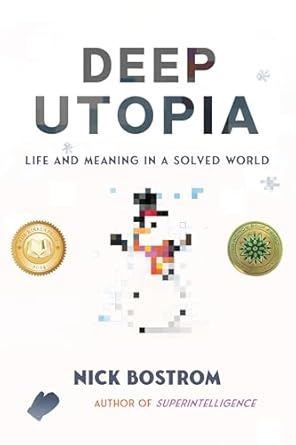
Deep Utopia: Life and Meaning in a Solved World
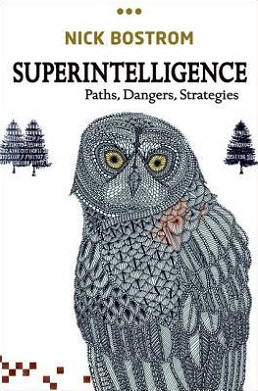
Superintelligence
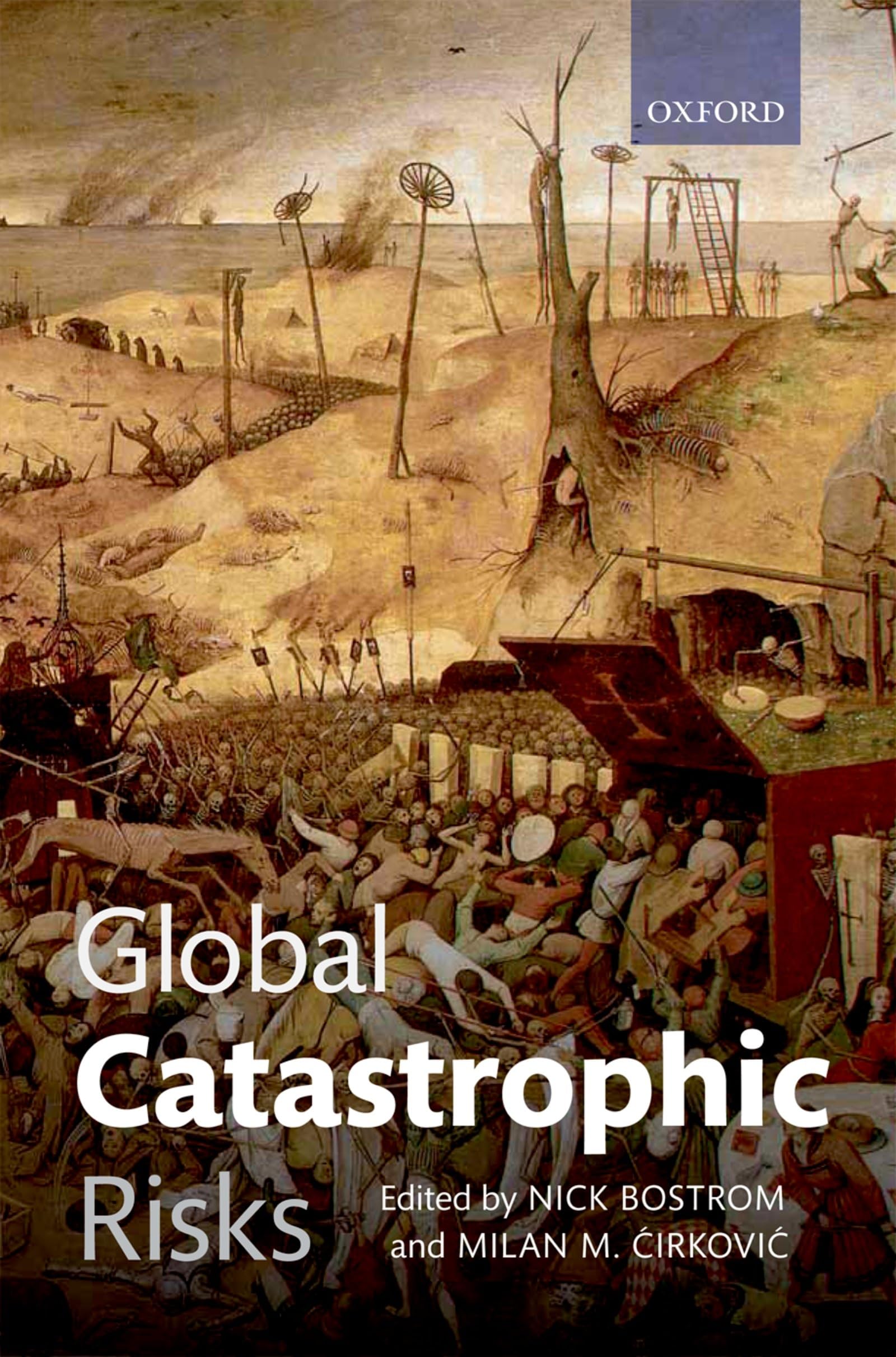
Global Catastrophic
For Meeting Planners
Get in TouchContact US
Fill out the form so we can best understand your needs.
A representative from The Keynote Curators will reach out to you.
Blog Posts

How to Create Event Experiences People Will Always Remember
What makes an event memorable? Dr. Robyne Hanley-Dafoe explains why full presence beats polls, phones, and gadgets in any live room.
Read More
Leadership Succession Planning Is the Advantage No One Is Building
Leadership succession planning is the biggest competitive advantage most companies ignore. Here's why the gap matters and how to close it.
Read More
Workplace Culture Lessons on Trust and Safety with Danny Goldberg
Danny Goldberg explains how leaders can close the gap between the workplace culture they intend and the one employees actually feel.
Read More
Real Productivity Is About Deciding What Not to Finish Before Year-End
Real year-end productivity means finishing fewer things well rather than everything done. Here is how to choose what deserves your time before December 31.
Read More
What is Psychological Flexibility and Why Leaders Need It Before a Crisis Hits
Psychological flexibility keeps leaders steady in a crisis. Dr. Jannell MacAulay shares what the cockpit teaches about calm under pressure.
Read More
Workplace Communication Patterns That Are Costing You More Than You Think
Melina Palmer explains how poor communication quietly creates friction that costs businesses trust, sales, and loyalty.
Read More
Customer Service Strategies That Actually Work in the Real World
Brad Cleveland breaks down why good customer service is hard work in disguise, and what it takes to get it right in the AI era.
Read More
Resilience Is a Cultural Contingency Plan, Not a Personal Trait
Every event planner knows the moment when resilience stops being a theory. At 7:12 a.m., the group chat lights up. The keynote’s flight is delayed. The ballroom doors open in 48 minutes. The sponsor wants...
Read More