
Book John Sculley through The Keynote Curators
Biography
Born on April 6, 1939, in New York City, John Sculley became the Pepsi-Cola Company’s youngest-ever CEO and president. After taking over as chief of Apple Computers Inc. in 1983, Sculley famously butted heads with co-founder Steve Jobs, but presided over a highly profitable period during his 10 years in charge. Sculley continues to consult for startups, notably in the healthcare industry.
John Sculley was born on April 6, 1939, in New York City. After splitting his childhood between New York City and Bermuda, where his mother’s family was from, Sculley studied architectural design at Brown University, then received his MBA from the Wharton School of Finance.
Sculley joined the Pepsi-Cola Company as a trainee in 1967. Named vice president of marketing three years later, Sculley was responsible for the successful “Pepsi Challenge” campaign, in which consumers were asked to choose between Pepsi and Coke in a blind taste test. In 1977, he became Pepsi’s youngest CEO and president to date.
Reportedly lured by Steve Jobs, Apple Computers Inc.’s cofounder and president at the time, with the pitch, “Do you want to sell sugar water for the rest of your life or do you want to come with me and change the world?,” Sculley took over as Apple’s CEO in 1983. Despite his lack of technology expertise, he and Jobs initially saw eye-to-eye on marketing strategy. However, when sales of the Apple Macintosh stalled following its release in 1984, the two butted heads on the company’s course and the relationship grew strained. The board of directors intervened and asked Jobs to step down from heading the Macintosh division, and the spurned founder left the company in 1985.
Although Sculley was later criticized for “firing” Jobs and running Apple into the ground, the company enjoyed a successful run over the next few years. Macintosh sales reignited on the heels of improvements in desktop publishing technology, while the color capabilities of the Macintosh 2 and the portable PowerBook series dazzled customers. However, a series of missteps proved costly. Sculley looked foolish for throwing his promotional weight behind the Newton Message Pad, a clunky hand-held device that functioned erratically, and he was criticized internally for refusing to lower product prices and license Apple software. Although annual sales had grown from $800 million to $8 billion during his 10 years in charge, Sculley was forced out of the CEO role in June 1993. He resigned from the company four months later.
Following his departure from Apple, Sculley briefly served as CEO of Spectrum Technologies Inc. before taking on a consulting role with Eastman Kodak Co. In 1995, he teamed with siblings Arthur and David to form the venture capitalist firm Sculley Brothers LLC.
In recent years, Sculley has turned his focus to the healthcare industry. He is on the board of directors of Watermark Medical, developer of an in-home sleep apnea diagnostic device, and on the board of advisors for Audax Health Solutions, a startup which helps consumers devise online personalized health plans.
Contact us for John Sculley fees and availability
Videos
Speech TopicsExpand each topic to learn more
This speaker tailors this topic for each event. Please let us know if you'd like us to source a topic description.
This speaker tailors this topic for each event. Please let us know if you'd like us to source a topic description.
This speaker tailors this topic for each event. Please let us know if you'd like us to source a topic description.
This speaker tailors this topic for each event. Please let us know if you'd like us to source a topic description.
This speaker tailors this topic for each event. Please let us know if you'd like us to source a topic description.
This speaker tailors this topic for each event. Please let us know if you'd like us to source a topic description.
This speaker tailors this topic for each event. Please let us know if you'd like us to source a topic description.
Booksby John Sculley
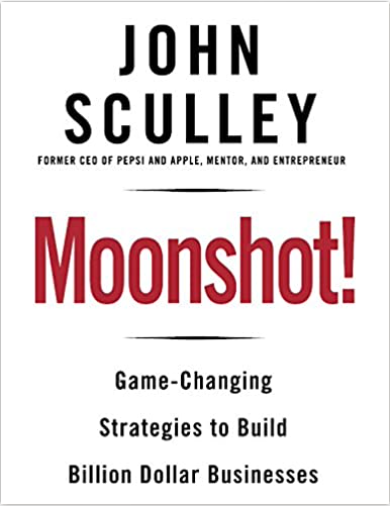
Moonshot! Game Changing Strategies To Build Billion Dollar Businesses
For Meeting Planners


Get in TouchContact US
Fill out the form so we can best understand your needs.
A representative from The Keynote Curators will reach out to you.
Blog Posts

Why ‘Better Problems’ Are Better Than Perfect Plans
Learn why better problems beat perfect plans. Jason Feifer shares how to judge ideas by the problems you trade, not the ones you avoid.
Read More
Change Starts When You Embrace Your Emotions, with Cassandra Worthy
Change starts when you embrace your emotions. Cassandra Worthy shows how to read your feelings as signals and turn discomfort into forward movement.
Read More
Breast Cancer Awareness Needs More Than Pink Ribbons and Good Intentions
Breast cancer awareness doesn't end in October. Here is what real workplace support and easier access can look like all year.
Read More
How to Create Event Experiences People Will Always Remember
What makes an event memorable? Dr. Robyne Hanley-Dafoe explains why full presence beats polls, phones, and gadgets in any live room.
Read More
Leadership Succession Planning Is the Advantage No One Is Building
Leadership succession planning is the biggest competitive advantage most companies ignore. Here's why the gap matters and how to close it.
Read More
Workplace Culture Lessons on Trust and Safety with Danny Goldberg
Danny Goldberg explains how leaders can close the gap between the workplace culture they intend and the one employees actually feel.
Read More
Real Productivity Is About Deciding What Not to Finish Before Year-End
Real year-end productivity means finishing fewer things well rather than everything done. Here is how to choose what deserves your time before December 31.
Read More
What is Psychological Flexibility and Why Leaders Need It Before a Crisis Hits
Psychological flexibility keeps leaders steady in a crisis. Dr. Jannell MacAulay shares what the cockpit teaches about calm under pressure.
Read More