
Book Lisa Even through The Keynote Curators
Biography
Lisa Even is an author, coach, and keynote speaker known for her intentional yet energetic approach to life and leadership
Through her podcast, Have Good Ripple Effect, and her book, Joy is My Job, Lisa Even inspires individuals and teams to realize that THEY happen to the world, not the other way around.
With an origin story that began waitressing at the R&R Café—serving locals, farmers, and truckers—Lisa Even understands the value of connection and hard work. Her journey from these humble beginnings to leadership roles in corporate America, including leading teams with multi-million dollar budgets, has shaped her deep understanding of the pressures leaders face in creating impactful, cohesive, and profitable teams.
Lisa Even’s speaking engagements, coaching, and podcast empower audiences to look beyond their backyards, challenging them to influence their environments and organizations rather than being shaped by them. She brings real-world insights and case studies into shaping team culture and boosting profitability, helping leaders and teams embrace the mindset needed to thrive.
Her genuine connection, contagious energy, and wealth of real-life experiences and strategies captivate audiences, inspiring them to create meaningful ripple effects in their organizations and communities. Lisa Even has spoken to a diverse range of audiences, from corporate giants like Disney and ESPN to universities, associations, and more than 30 industries, leaving behind insights that resonate long after the applause.
Contact us for Lisa Even fees and availability
Videos
Speech TopicsExpand each topic to learn more
Great leaders don’t wait for good culture to “happen”—they build it.
Today’s professional landscape is more demanding than ever, with challenges like compressed resources, rapid change, and siloed teams. Cultural dysfunctions such as complaining, negativity, and passive-aggressive behavior often go unaddressed, quietly eroding morale, stalling growth, and driving turnover. While monitoring metrics and holding people accountable might seem sufficient, truly impactful leadership requires more.
According to SHRM, nearly one in five employees has left a job in the past five years due to negative workplace culture, highlighting its critical impact on retention. In this keynote, Lisa equips leaders with three strategies to analyze, navigate, and build a collaborative and adaptive culture—creating a lasting Good Ripple Effect that drives results.
Perfect for Leaders and Teams:
- Navigating the challenges of a dynamic workplace
- Wanting to leverage culture as a competitive advantage
- Trying to create an environment where teams feel empowered and engaged.
Key Takeaways:
- Identify and address cultural dysfunctions that hinder growth and engagement
- Evaluate team culture by analyzing current attitudes, behaviors, and beliefs
- Gain practical tools to improve team morale, productivity, and retention
Leaders lacking self-awareness often show up as busy, stressed, authoritarian, or overwhelmed. They struggle to separate their emotions from their actions, leading to team disengagement, frustration, and interpersonal friction.
By building self-awareness, leaders can better focus on their teams and bridge differences in personalities, values, and communication styles among team members, fostering more cohesive and collaborative environments. According to the Harvard Business Review, “Leaders with high emotional intelligence contribute to a 20% improvement in team performance.”
In this keynote, Lisa shares actionable strategies for building self-awareness and the four factors that predict positive presence: energy, expression, tone, and intention—all of which are essential for positively influencing team dynamics.
Perfect for Leaders and Teams:
- Looking to differentiate their leadership approach
- Striving to improve emotional intelligence and self-awareness
- Seeking tools to enhance team dynamics and performance
Key Takeaways:
- Assess how you “show up” and address behaviors that may undermine morale, productivity, and culture
- Bridge differences
- Use proven frameworks, like the Circle of Control, to allocate energy effectively and lead with intention
Many organizations face rising complacency, disengagement, and inconsistent performance. Meanwhile, successful, innovative organizations thrive because their employees are motivated and eager to contribute to shared goals.
Too often, leaders unintentionally stifle creativity and innovation—either by placing team members in high-pressure problem-solving situations without adequate support or by repeatedly solving the team’s problems themselves. This fosters a fear of mistakes, leaving ideas untapped and teams underperforming.
In this keynote, Lisa helps leaders explore how their leadership style impacts team dynamics, ways to “live in the lab” and experiment with engagement activities, and equips them with actionable strategies to build a motivation-centered culture where employees feel empowered to contribute proactively.
Perfect for Leaders and Teams:
- Combating disengagement and complacency
- Building a culture of creativity, innovation, and psychological safety
- Inspiring meaningful contributions and idea-sharing across the team
Key Takeaways:
- Recognize behaviors that suppress creativity and risk-taking
- Discover motivation-focused methods through real-world case studies
- Celebrate successes and implement strategies to build resilient teams
Too often, enjoyment and engagement are treated as “nice to have” instead of essential components of a productive workplace. Deadlines, projects, and crises take over, leaving team members feeling disconnected and drained, relying on sporadic gestures to feel engaged. And let’s face it—the word burnout gets tossed around like candy.
Additionally, it’s easy for team members to assume workplace joy is solely the leader’s responsibility, while leaders face rising disengagement without knowing how to fix it. Research shows that joyful employees are 31% more productive and three times as creative, leading to higher morale, retention, and innovation within teams. Joy isn’t just a feel-good concept—it’s a smart business strategy.
In this keynote, Lisa guides audiences through practical steps to create a culture of enjoyment and engagement. She introduces concepts such as “Crappy to Happy” to improve unglamorous work activities and demonstrates how team members can take accountability for their own enjoyment at work.
Perfect for Leaders and Teams:
- Looking to boost team morale
- Fostering team ownership: Joy is a shared responsibility, and leaders empower team members to shape their workplace experiences
- Introducing Small Habits: Simple, consistent actions build cohesion and accountability better than occasional events
Key Takeaways:
- Design engagement plans and activities that increase satisfaction and reduce turnover
- Foster an ownership mindset that inspires creativity and accountability
- Spread a Positive Ripple Effect: Empower teams to own their joy and workplace experience
Testimonials
Booksby Lisa Even
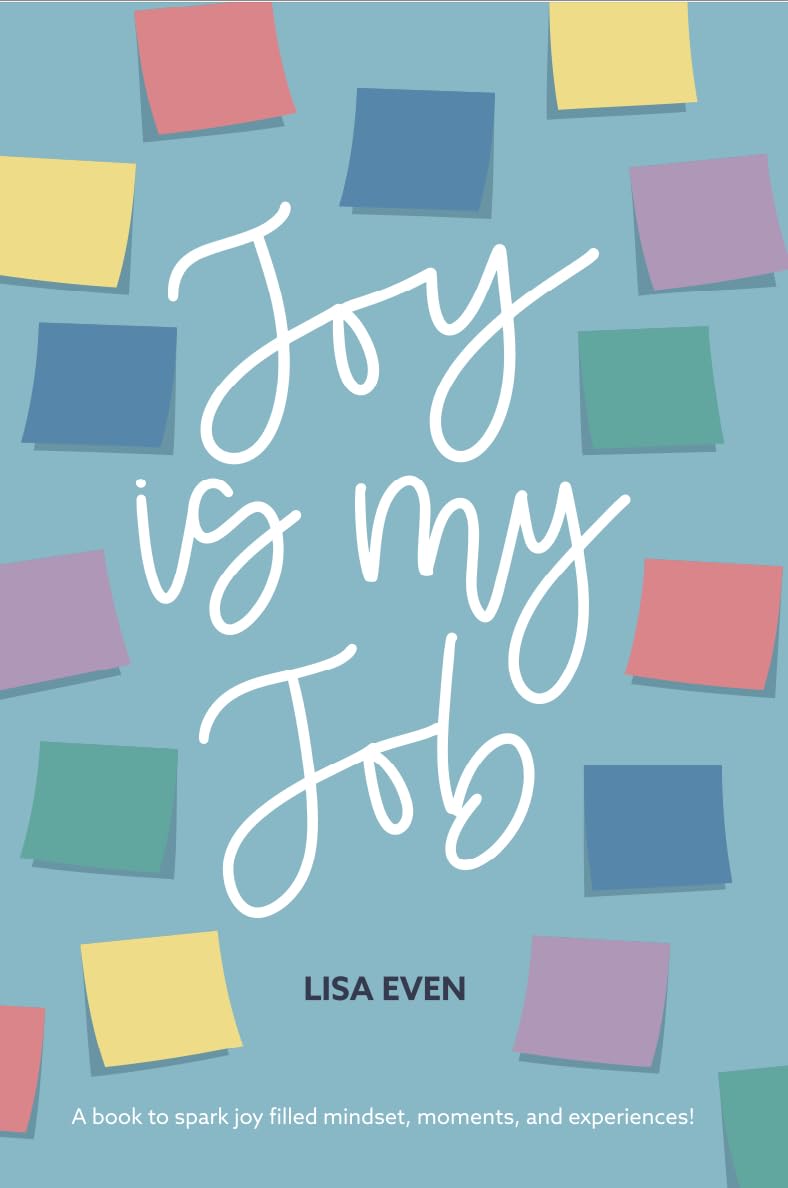
JOY is My Job: A book to spark joy filled mindset, moments, and experiences!








Get in TouchContact US
Fill out the form so we can best understand your needs.
A representative from The Keynote Curators will reach out to you.
Blog Posts

Why ‘Better Problems’ Are Better Than Perfect Plans
Learn why better problems beat perfect plans. Jason Feifer shares how to judge ideas by the problems you trade, not the ones you avoid.
Read More
Change Starts When You Embrace Your Emotions, with Cassandra Worthy
Change starts when you embrace your emotions. Cassandra Worthy shows how to read your feelings as signals and turn discomfort into forward movement.
Read More
Breast Cancer Awareness Needs More Than Pink Ribbons and Good Intentions
Breast cancer awareness doesn't end in October. Here is what real workplace support and easier access can look like all year.
Read More
How to Create Event Experiences People Will Always Remember
What makes an event memorable? Dr. Robyne Hanley-Dafoe explains why full presence beats polls, phones, and gadgets in any live room.
Read More
Leadership Succession Planning Is the Advantage No One Is Building
Leadership succession planning is the biggest competitive advantage most companies ignore. Here's why the gap matters and how to close it.
Read More
Workplace Culture Lessons on Trust and Safety with Danny Goldberg
Danny Goldberg explains how leaders can close the gap between the workplace culture they intend and the one employees actually feel.
Read More
Real Productivity Is About Deciding What Not to Finish Before Year-End
Real year-end productivity means finishing fewer things well rather than everything done. Here is how to choose what deserves your time before December 31.
Read More
What is Psychological Flexibility and Why Leaders Need It Before a Crisis Hits
Psychological flexibility keeps leaders steady in a crisis. Dr. Jannell MacAulay shares what the cockpit teaches about calm under pressure.
Read More