
Book George Friedman through The Keynote Curators
Biography
George Friedman is a New York Times bestseller and geopolitical forecaster with more than two decades of experience in intelligence consulting and publishing. He is the founder and Chairman of Geopolitical Futures and is highly sought after at industry events as an expert strategist and speaker on international affairs.
Geopolitical Futures, founded in 2015, is an online publication that focuses on analysing and forecasting global events as a guide to navigate the future. With George’s stellar reputation and expertise, the publication is used as a driving force to predict geopolitical events. Prior to Geopolitical Futures, George founded a private forecasting and intelligence publishing company called Stratfor. The company, based in Texas, USA, was founded in 1996, and he served as the CEO and Chief Intelligence Office until his resignation in 2015.
George is a well-established author who has published several books, including The Storm Before the Calm (2020), which outlines the challenges the United States will face in the 2020s in what would be described as a ‘crisis decade’. He correctly forecasted Russia’s re-emergence in Flashpoints (2015) and in his book The Next Decade (2011) he outlined the skills that future leaders would require and the United States need to create regional power balances. His most engaging and fascinating work is the 2009 acclaimed New York Times bestseller titled The Next 100 Years, where he outlines the political and economic crisis in the EU and China’s economic decline. One of his earliest publications was a book he co-authored titled The Coming War with Japan (1991), where he forewarned a potential conflict between Japan and the United States following the dismantling of the Soviet Union.
In a quest to share his knowledge and expertise, George has been featured in many publications and online media, including Bloomsberg, Daily Pioneer, Forbes, CNBC and Business Insider.
George obtained his PhD in government from Cornell University in 1970, and prior to that, he received his BA Honors in political science from The City College of New York.
Hungarian-born and immigrating to the United States as a child, George is an admired and well-respected speaker who is internationally recognised as a pioneer and is celebrated for his ability to analyse and portray the geopolitical landscape strategically.
Contact us for George Friedman fees and availability
Videos
Speech TopicsExpand each topic to learn more
The next 100 years will see political powers rise and fall, but the basic matrix remains the same. Russia and China will weaken, as Japan, Turkey, and Poland fix their internal issues and rise. The United States will maintain its position as the primary global force.
The current trend of population decline in the developed world will spread globally, leading to cheaper land as demand decreases. For the first time in centuries, labor will be the expensive commodity as capital seeks to augment the shrinking workforce. Global GDP may fall, but per capita GDP will rise. Subsequently, the main technological breakthroughs must be in medicine, making people more productive as their lives extend toward 100 years.
The ability to produce highly-educated workers from the lower levels of society will define the status of nations. Policies that support the efficient use of labor are the key. The surge of the educated and informed class will pose challenges to regimes. The regimes can suppress the challenge and weaken geopolitically; or, they can allow the regime to evolve and strengthen geopolitically. This is the key choice.
Booksby George Friedman
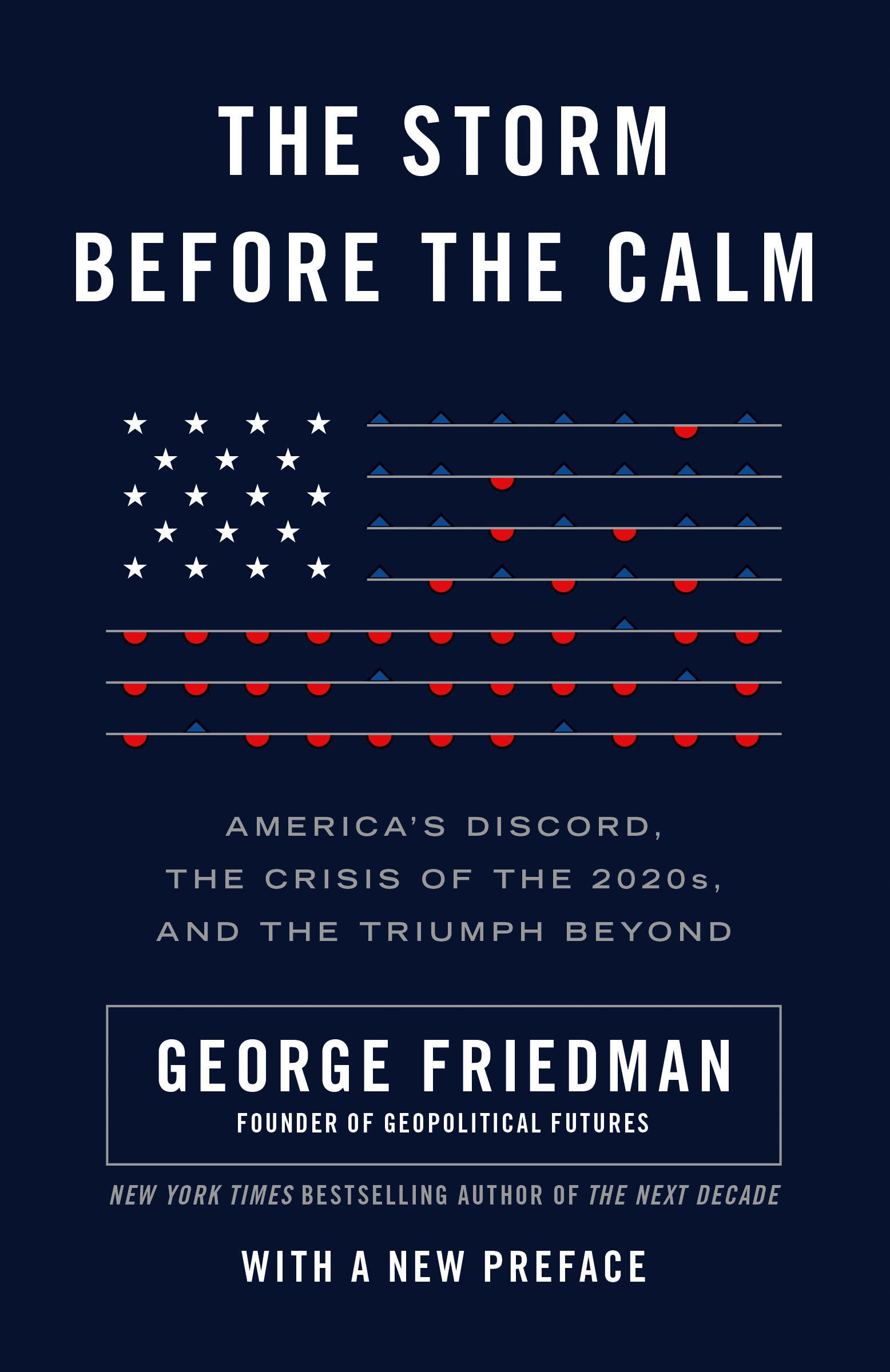
THE STORM BEFORE THE CALM: America’s Discord, the Coming Crisis of the 2020s, and the Triumph Beyond
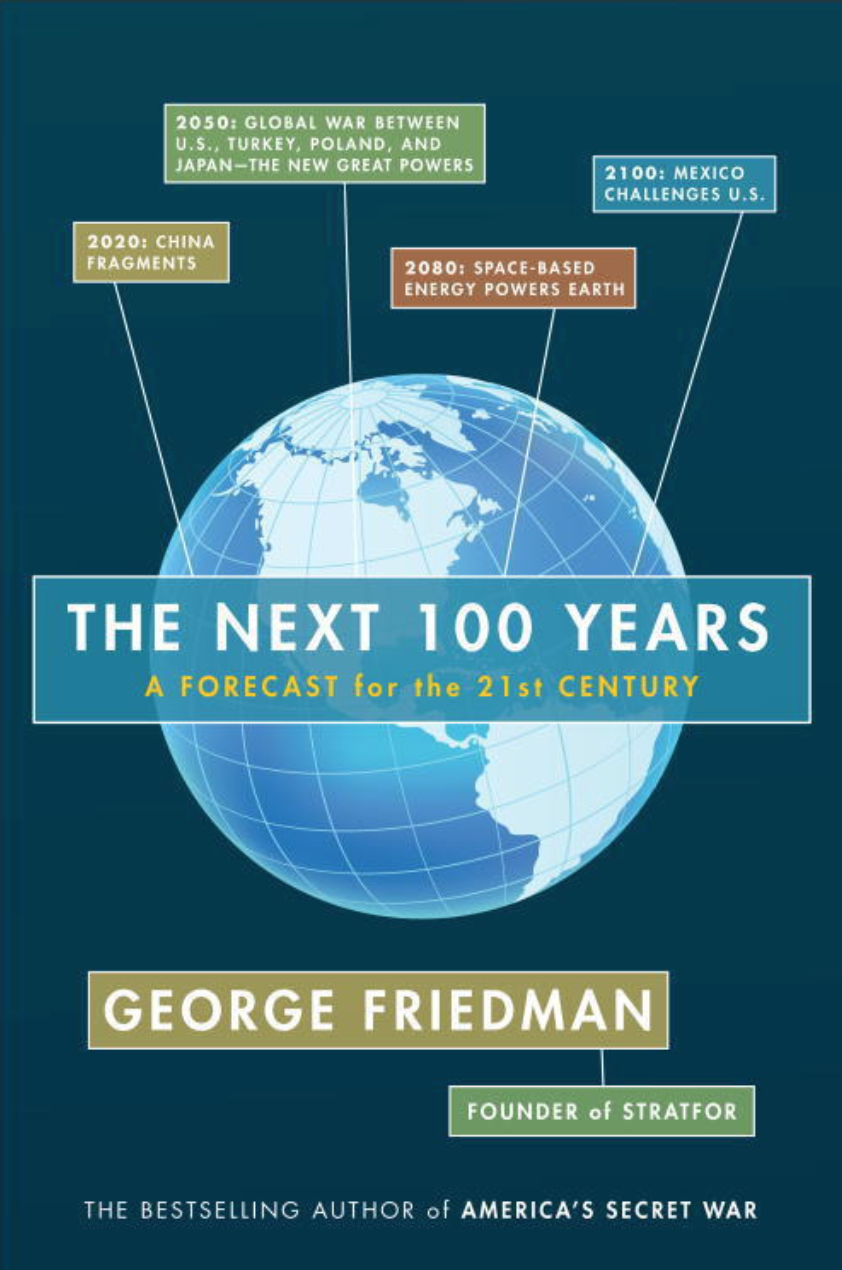
The Next 100 Years: A Forecast for the 21st Century
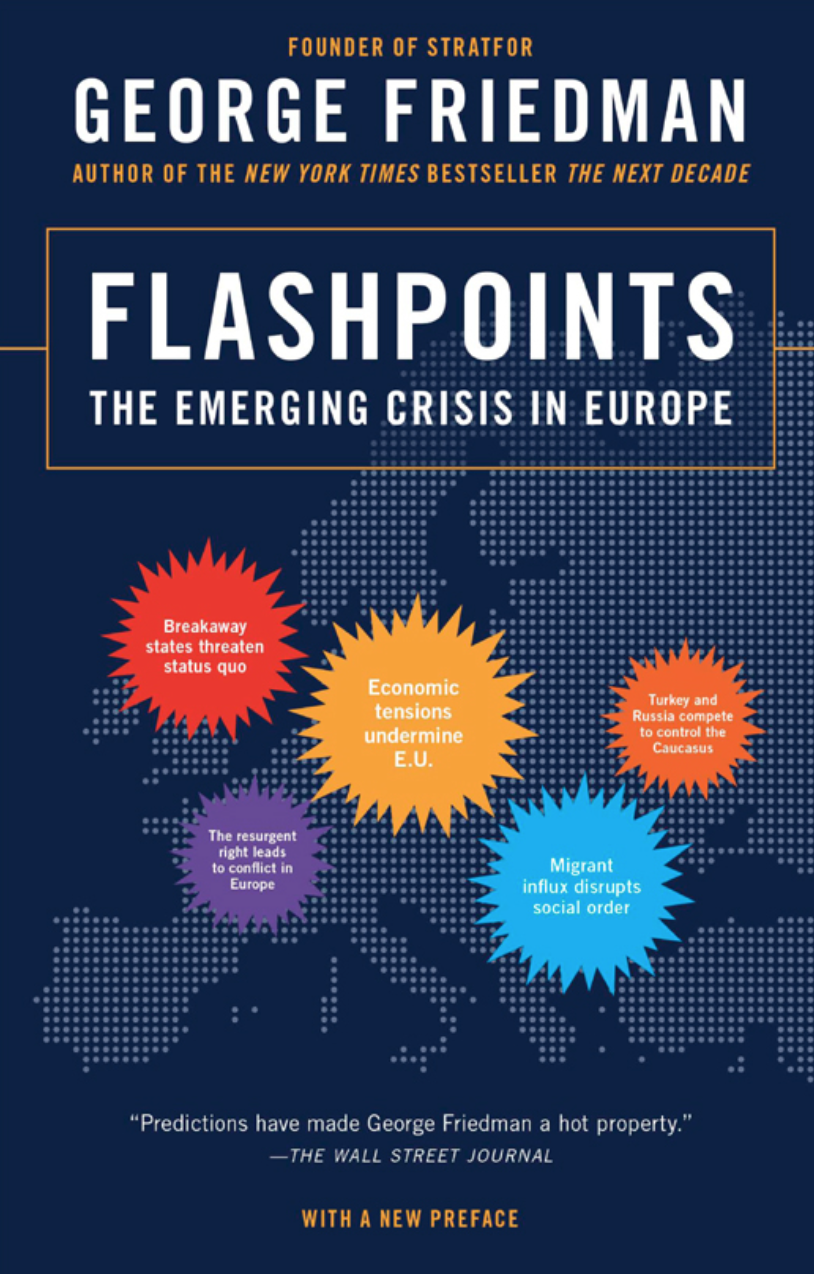
Flashpoints: The Emerging Crisis in Europe Kindle Edition

The Next Decade: Where We've Been . . . and Where We're Going

America's Secret War: Inside the Hidden Worldwide Struggle Between the United States and Its Enemies
For Meeting Planners


Get in TouchContact US
Fill out the form so we can best understand your needs.
A representative from The Keynote Curators will reach out to you.
Blog Posts

Leading Through Uncertainty Starts With One Forward Step at a Time
Leading through uncertainty does not require the whole path. A story of loss, a marker, and the next step that keeps leaders moving.
Read More
Leadership Lessons From a Futurist on Hope and Resilient Teams
Leadership feels heavier right now. Almost every leader I talk with says some version of the same thing. The pace is faster, the news is louder, and the people they lead are tired. Many of...
Read More
Why ‘Better Problems’ Are Better Than Perfect Plans
Learn why better problems beat perfect plans. Jason Feifer shares how to judge ideas by the problems you trade, not the ones you avoid.
Read More
Change Starts When You Embrace Your Emotions, with Cassandra Worthy
Change starts when you embrace your emotions. Cassandra Worthy shows how to read your feelings as signals and turn discomfort into forward movement.
Read More
Breast Cancer Awareness Needs More Than Pink Ribbons and Good Intentions
Breast cancer awareness doesn't end in October. Here is what real workplace support and easier access can look like all year.
Read More
How to Create Event Experiences People Will Always Remember
What makes an event memorable? Dr. Robyne Hanley-Dafoe explains why full presence beats polls, phones, and gadgets in any live room.
Read More
Leadership Succession Planning Is the Advantage No One Is Building
Leadership succession planning is the biggest competitive advantage most companies ignore. Here's why the gap matters and how to close it.
Read More
Workplace Culture Lessons on Trust and Safety with Danny Goldberg
Danny Goldberg explains how leaders can close the gap between the workplace culture they intend and the one employees actually feel.
Read More