
Book Neil Degrasse Tyson through The Keynote Curators
Biography
The Neil deGrasse speeches examine the misconceived notion that private enterprises and privatizing will lead to a more advanced future in space exploration. DeGrasse believes that funding private enterprises will not increase how fast missions to space are launched and how much scientific progress is made with regard to space.
As an American astrophysicist and science communicator, deGrasse possesses a thorough understanding of space exploration and galaxy-purveying technologies. In terms of his education, Tyson earned a Bachelor of Arts in Physics from Harvard University and a Master of Arts in Astronomy. He also holds a Master’s in Philosophy in astrophysics and a Ph.D. in astrophysics.
Currently, he is both the Frederick P. Rose Director of the Hayden Planetarium and a research associate in the American Museum of Natural History’s astrophysics department. Prior to this, deGrasse held teaching positions at the University of Maryland and Princeton University. As a result of his astronomy expertise, deGrasse was appointed by President George W. Bush to serve on the ‘Commission on the Future of the United States Aerospace Industry,’ as well as the ‘President’s Commission on Implementation of United States Space Exploration Policy.’
deGrasse has been honored with countless awards like ‘Medal of Excellence’ from Columbia University and the ‘NASA Distinguised Public Service Medal’ due to his insightful research. He was also named one of ‘Time Magazine’s 100 most influential people in the world.’
deGrasse’s extensive written work on space exploration and astronomy was featured and quoted in numerous publications, including Natural History magazine and The New York Times. In conjunction with this, deGrasse also authored multiple space-oriented books such as Space Chronicles: Facing the Ultimate Frontier and ‘The Sky Is Not the Limit: Adventures of an Urban Astrophysicist.
Although privatization does play a small role in space exploration, the Neil deGrasse speeches suggest that private enterprises should not be relied on for the future of deep space exploration.
Contact us for Neil Degrasse Tyson fees and availability
Videos
Booksby Neil Degrasse Tyson
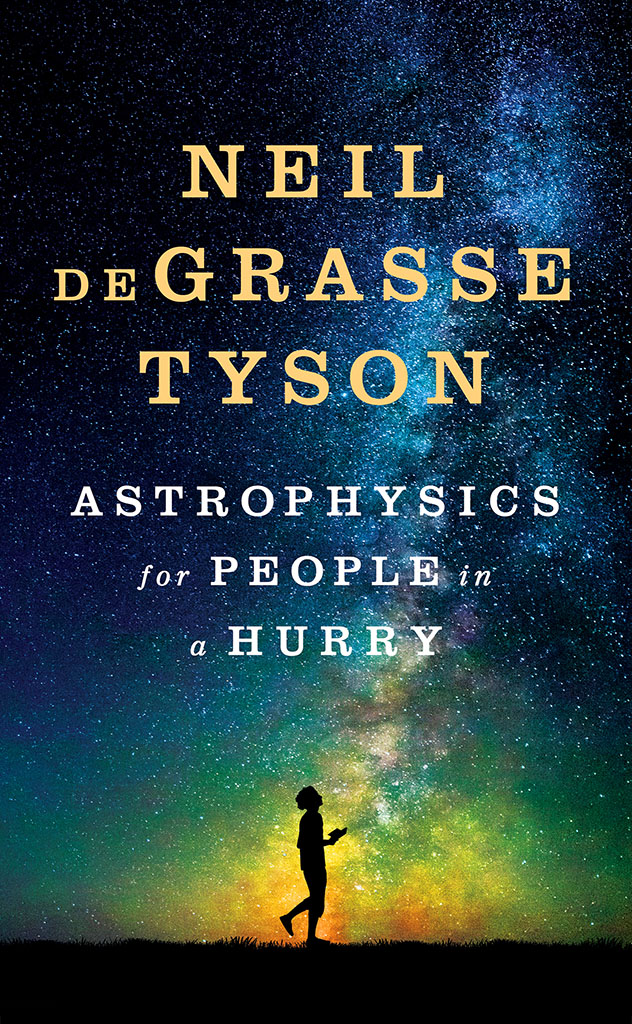
Astrophysics for People in a Hurry
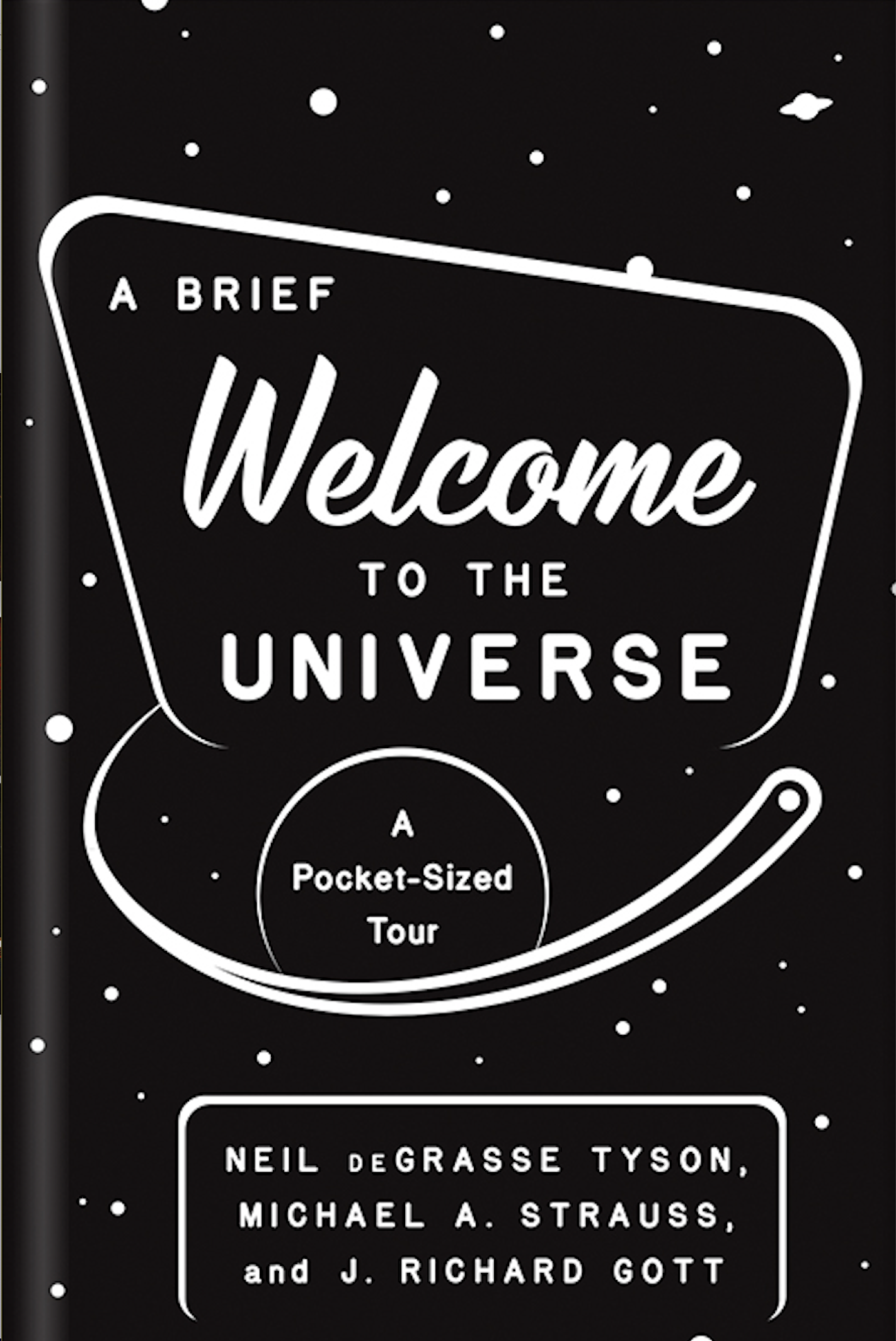
Welcome to the Universe
Merlin's Tour of the Universe
Universe Down to Earth
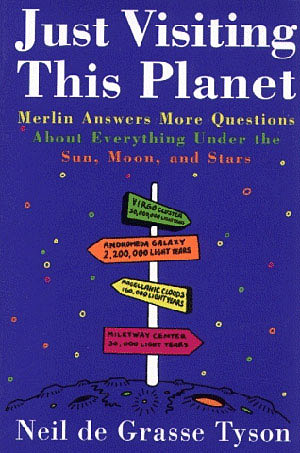
Just Visiting This Planet
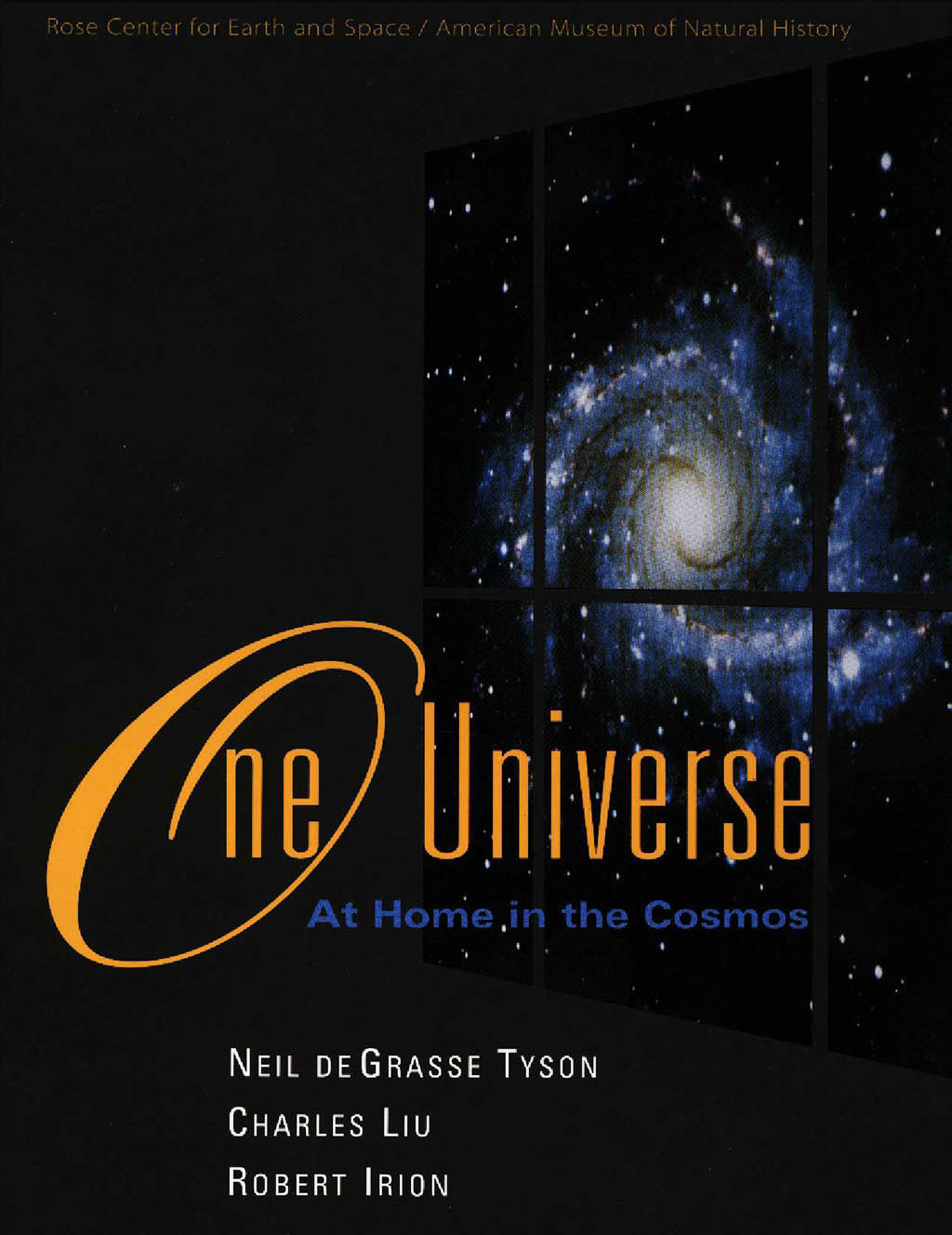
One Universe
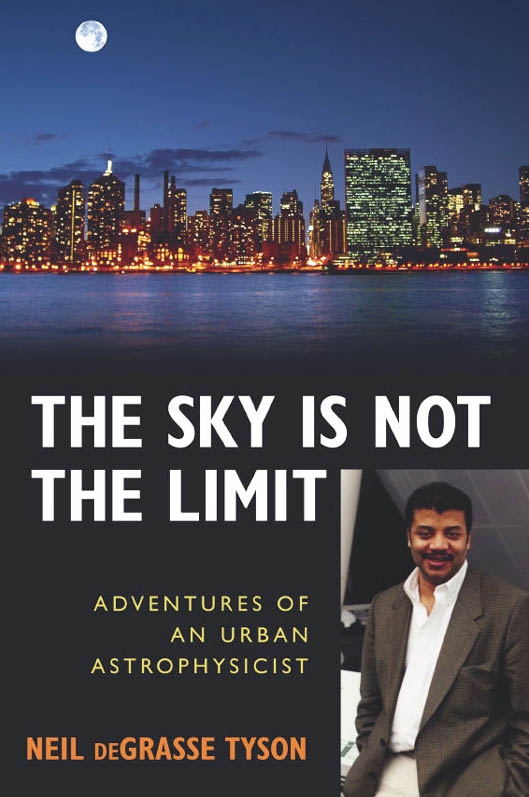
The Sky is Not the Limit
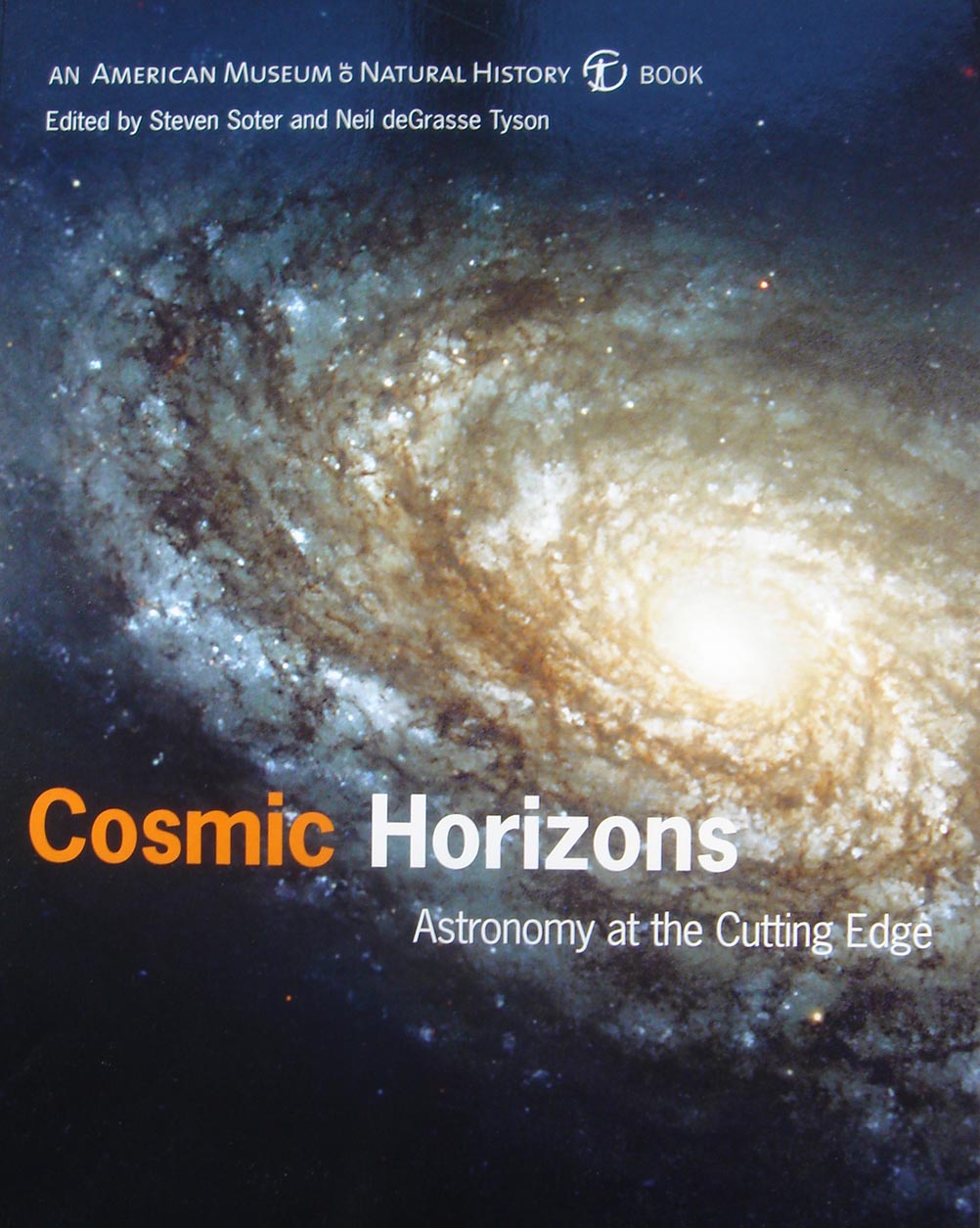
Cosmic Horizons
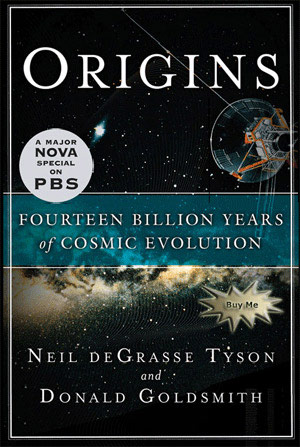
Origins
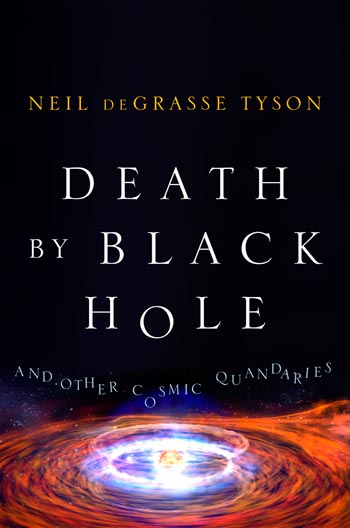
Death by Black Hole
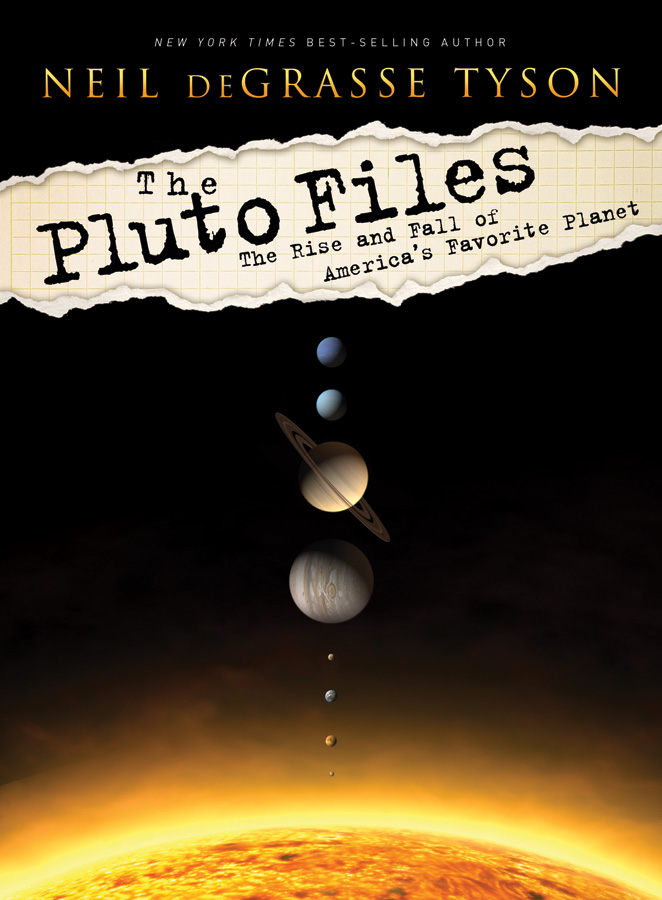
The Pluto Files
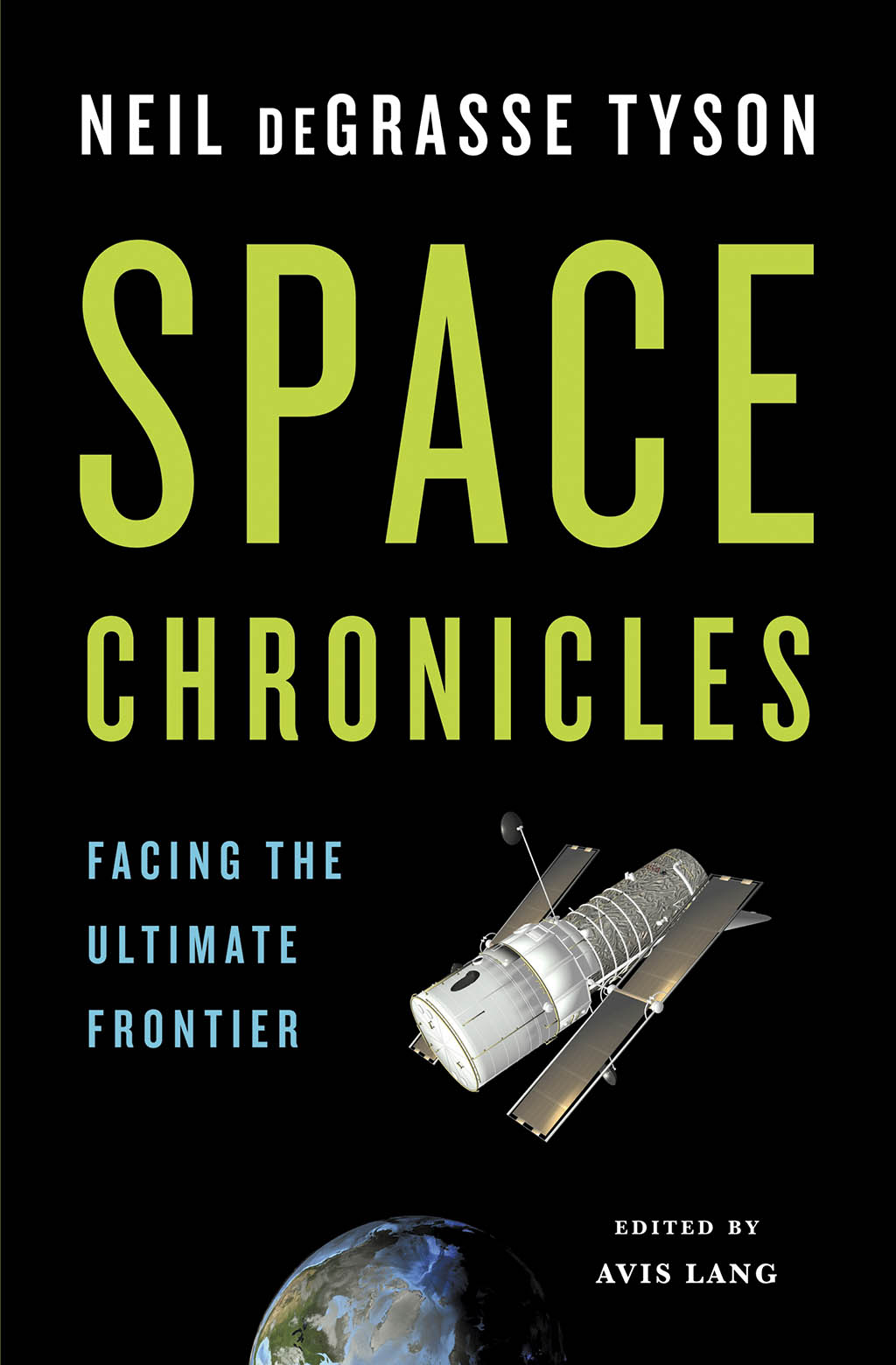
Space Chronicles
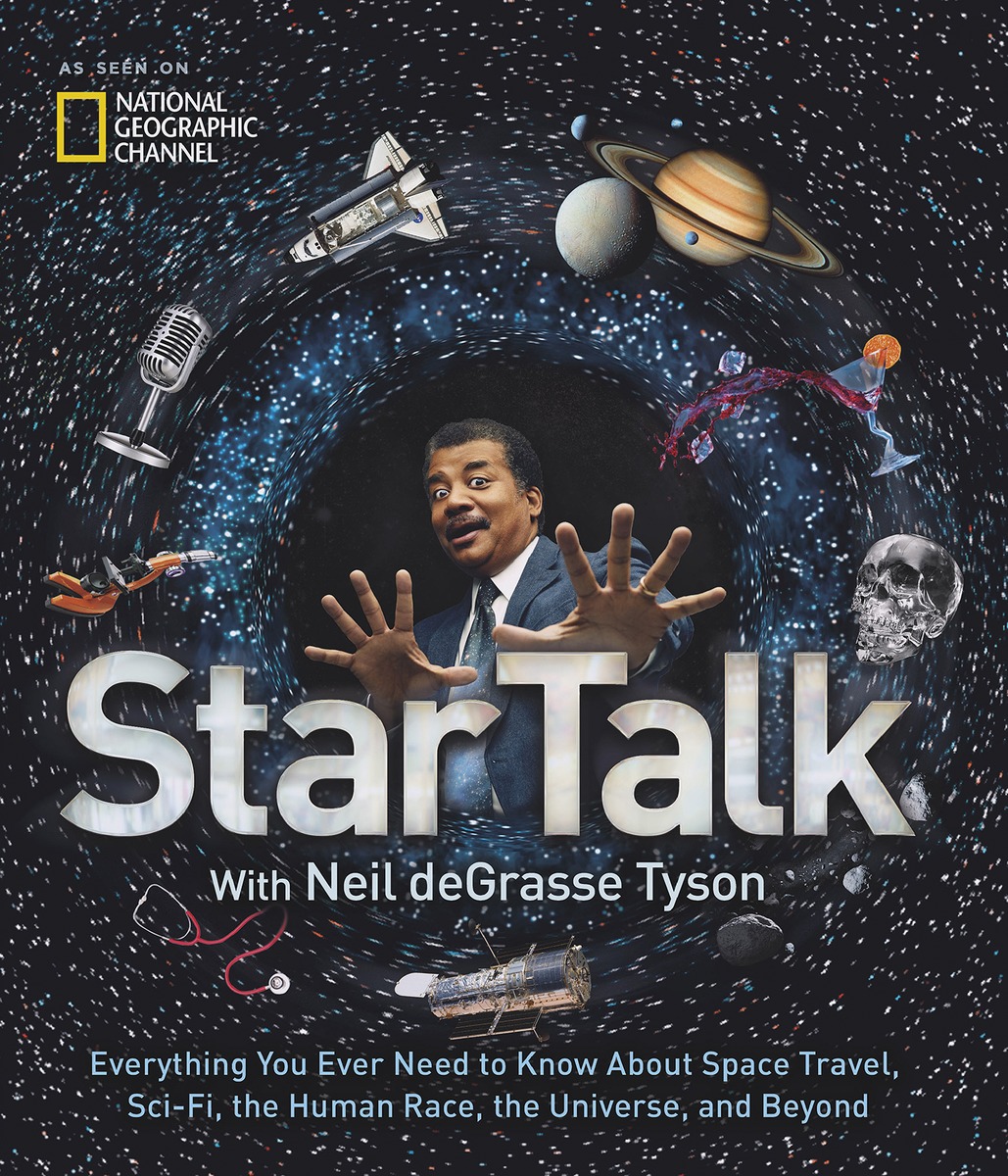
Star Talk
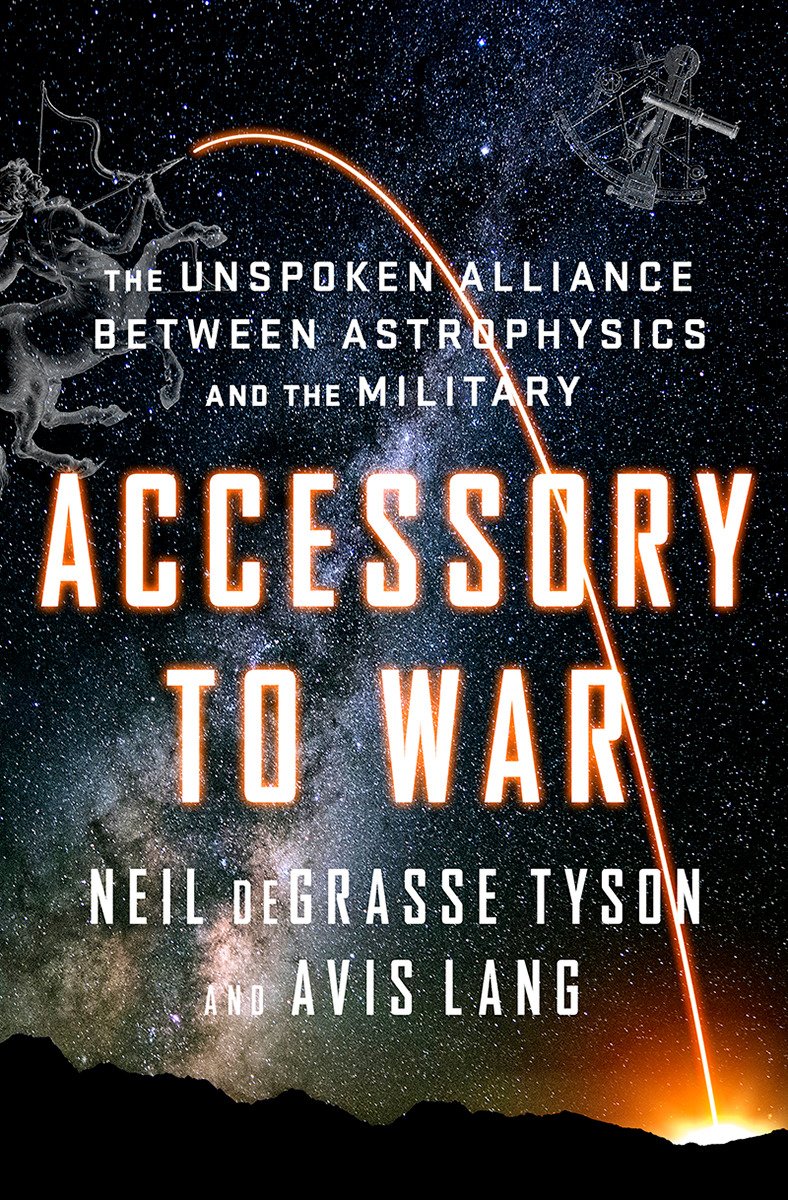
Accessory to War
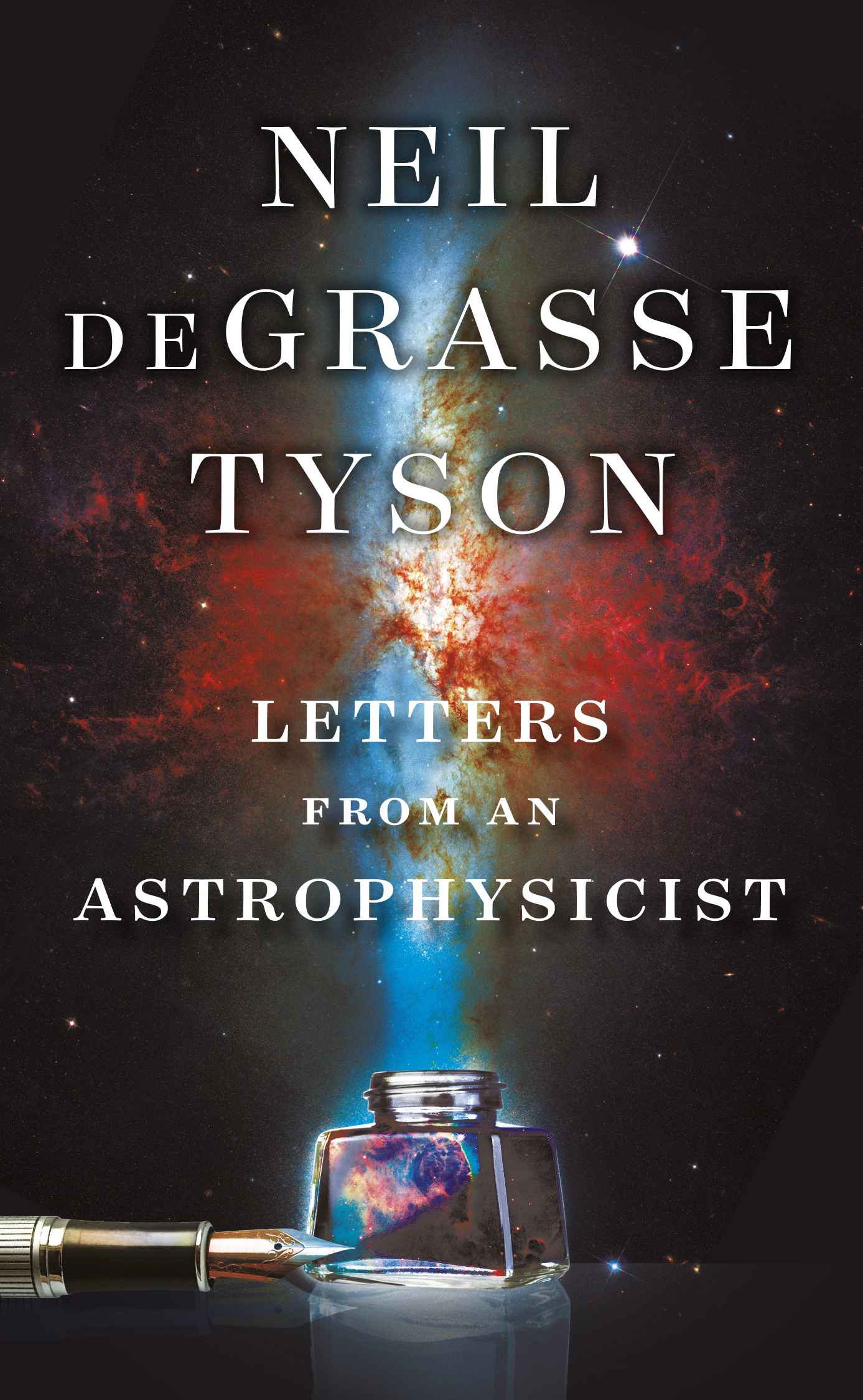
Letters From an Astrophysicist
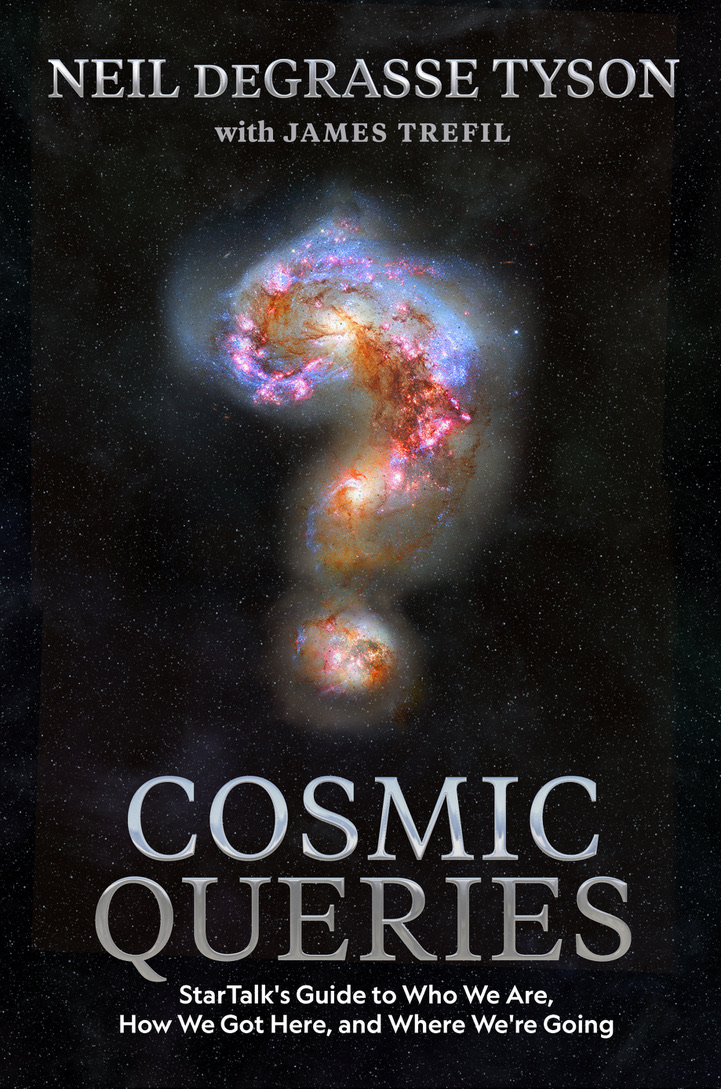
Cosmic Queries
For Meeting Planners


Get in TouchContact US
Fill out the form so we can best understand your needs.
A representative from The Keynote Curators will reach out to you.
Blog Posts

How to Create Event Experiences People Will Always Remember
What makes an event memorable? Dr. Robyne Hanley-Dafoe explains why full presence beats polls, phones, and gadgets in any live room.
Read More
Leadership Succession Planning Is the Advantage No One Is Building
Leadership succession planning is the biggest competitive advantage most companies ignore. Here's why the gap matters and how to close it.
Read More
Workplace Culture Lessons on Trust and Safety with Danny Goldberg
Danny Goldberg explains how leaders can close the gap between the workplace culture they intend and the one employees actually feel.
Read More
Real Productivity Is About Deciding What Not to Finish Before Year-End
Real year-end productivity means finishing fewer things well rather than everything done. Here is how to choose what deserves your time before December 31.
Read More
What is Psychological Flexibility and Why Leaders Need It Before a Crisis Hits
Psychological flexibility keeps leaders steady in a crisis. Dr. Jannell MacAulay shares what the cockpit teaches about calm under pressure.
Read More
Workplace Communication Patterns That Are Costing You More Than You Think
Melina Palmer explains how poor communication quietly creates friction that costs businesses trust, sales, and loyalty.
Read More
Customer Service Strategies That Actually Work in the Real World
Brad Cleveland breaks down why good customer service is hard work in disguise, and what it takes to get it right in the AI era.
Read More
Resilience Is a Cultural Contingency Plan, Not a Personal Trait
Every event planner knows the moment when resilience stops being a theory. At 7:12 a.m., the group chat lights up. The keynote’s flight is delayed. The ballroom doors open in 48 minutes. The sponsor wants...
Read More