
Book Garry Kasparov through The Keynote Curators
Biography
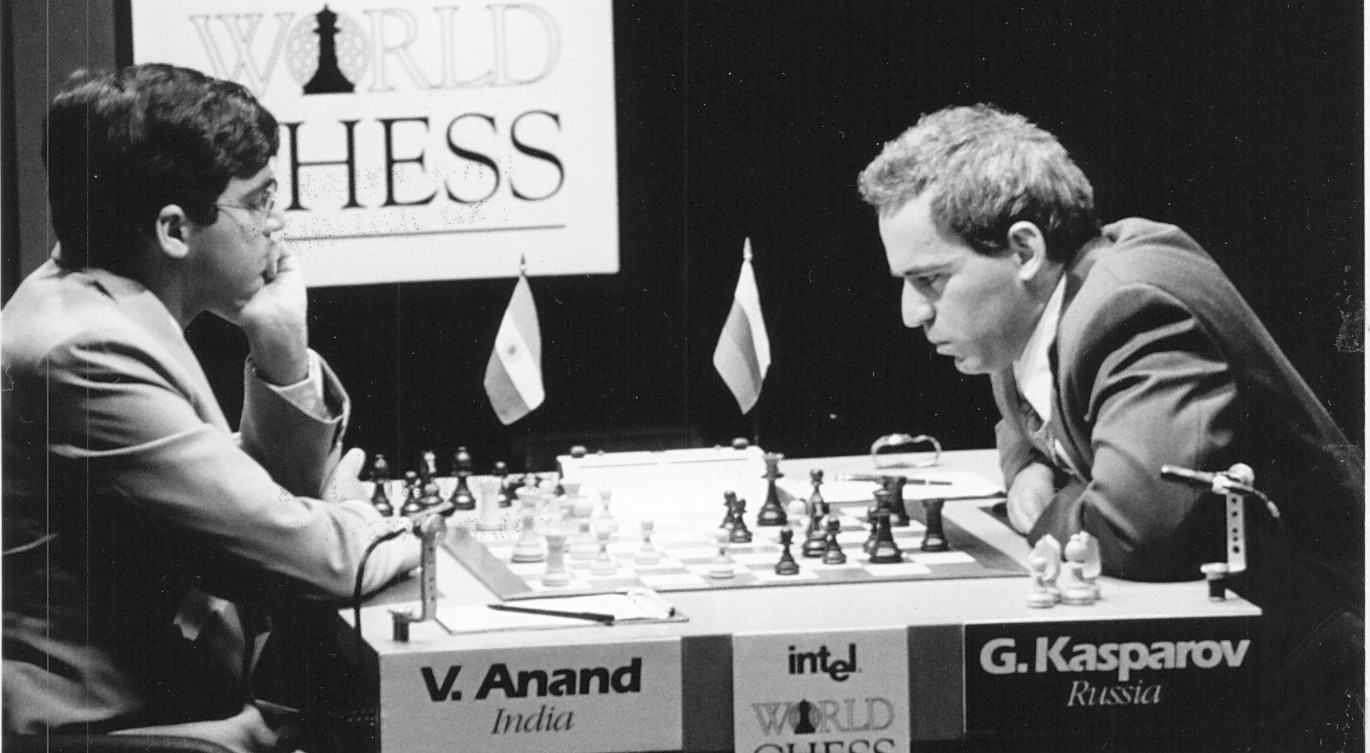
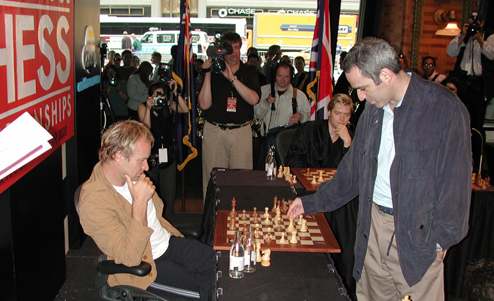
Born in Baku, Azerbaijan, in the Soviet Union in 1963, Garry Kasparov became the under-18 chess champion of the USSR at the age of 12 and the world under-20 champion at 17. He came to international fame at the age of 22 as the youngest world chess champion in history in 1985. He defended his title five times, including a legendary series of matches against arch-rival Anatoly Karpov. Kasparov broke Bobby Fischer’s rating record in 1990 and his own peak rating record remained unbroken until 2013. His famous matches against the IBM super-computer Deep Blue in 1996-97 were key to bringing artificial intelligence, and chess, into the mainstream.
Kasparov’s was one of the first prominent Soviets to call for democratic and market reforms and was an early supporter of Boris Yeltsin’s push to break up the Soviet Union. In 1990, he and his family escaped ethnic violence in his native Baku as the USSR collapsed. In 2005, Kasparov, in his 20th year as the world’s top-rated player, retired from professional chess to join the vanguard of the Russian pro-democracy movement. In 2012, Kasparov was named chairman of the New York-based Human Rights Foundation, succeeding Vaclav Havel. HRF promotes individual liberty worldwide and organizes the Oslo Freedom Forum. Facing imminent arrest during Putin’s crackdown, Kasparov moved from Moscow to New York City in 2013.
The US-based Kasparov Chess Foundation non-profit promotes the teaching of chess in education systems around the world. Its program already in use in schools across the United States, KCF also has centers in Brussels, Johannesburg, Singapore, and Mexico City. Garry and his wife Daria travel frequently to promote the proven benefits of chess in education and have toured Africa extensively.
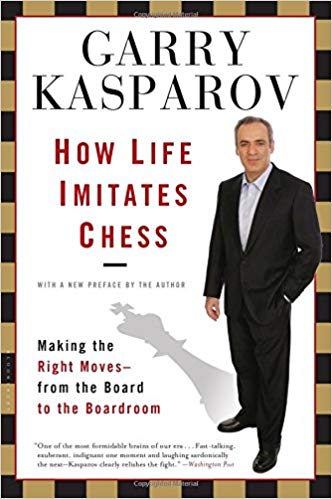
Kasparov has been a contributing editor to The Wall Street Journal since 1991 and is a regular commentator on politics and human rights. He speaks frequently to business and political audiences around the world on technology, strategy, politics, and achieving peak mental performance. He is a Senior Visiting Fellow at the Oxford-Martin School with a focus on human-machine collaboration. He’s a member of the executive advisory board of the Foundation for Responsible Robotics and a Security Ambassador for Avast Software, where he discusses cyber security and the digital future. Kasparov’s book How Life Imitates Chess on strategy and decision-making is available in over 20 languages. He is the author of two acclaimed series of chess books, My Great Predecessors and Modern Chess. Kasparov’s 2015 book, Winter Is Coming: Why Vladimir Putin and the Enemies of the Free World Must Be Stopped is a blend of history, memoire, and current events analysis.
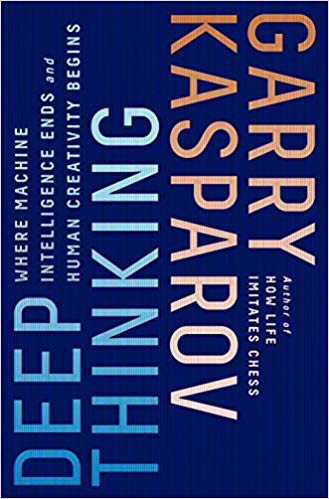
Kasparov’s next book is Deep Thinking: Where Machine Intelligence Ends and Human Creativity Begins. (May 2017) It details his matches against Deep Blue, his years of research and lectures on human and machine competition and collaboration, and his cooperation with the Future of Humanity Institute at the University of Oxford. He says,
“AI will transform everything we do and we must press forward ambitiously in the one area robots cannot compete with humans: in dreaming big dreams. Our machines will help us achieve them. Instead of worrying about what machines can do, we should worry more about what they still cannot do.”
Contact us for Garry Kasparov fees and availability
Videos
Speech TopicsExpand each topic to learn more
We cannot predict exactly how AI will change specific things, only that it will. It’s here. And while everyone is nervous about being first, nobody can afford to be last. The only losing strategy is not to have one.
The collaboration of human + machine is the key to the future. The winners will be those who get the best combination of intuition and data-crunching power.
Tactics are what you do when there is something to do. Strategy is what you do when there is nothing to do. It’s the difference between knowing how and knowing why.
The Salzburg Soloists Quartet can produce beautiful music, but larger groups need another ingredient. They need leadership, a CEO. They need a conductor.
Hard work is a talent. The ability to keep trying when others quit is a talent. … If you always have a dream, the happiest day of your life is never over.
Computers still can't decide, or say exactly when to decide. How much time is enough? How much data is enough?
Booksby Garry Kasparov
Deep Thinking

Winter is Coming
How Life Imitates Chess
For Meeting Planners




Get in TouchContact US
Fill out the form so we can best understand your needs.
A representative from The Keynote Curators will reach out to you.
Related Artificial Intelligence Speakers
Blog Posts

How to Design Events People Actually Remember with Carrie Davenport
Carrie Davenport on why great events are built on human connection, not just agendas. Lessons for event planners, leaders, and teams.
Read More
Q4 Isn’t a Marketing Strategy Until Clarity Leads the Way
Q4 isn't a marketing strategy. It's a test of clarity, judgment, and what your brand chooses to remember when the noise fades.
Read More
What Great Service Looks Like
Kevin Boehm explains what real service looks like when plans break, from a rough restaurant table to a blackout mid-speech.
Read More
Connecting on Stage Through Our Vulnerabilities
Nicole Malachowski on why sharing our vulnerabilities, not our wins, is what actually connects with an audience.
Read More
The Case for Creating Better Problems with Jason Feifer
Jason Feifer explains why chasing perfect solutions is the wrong goal: real progress means learning to choose better problems.
Read More
A Keynote Speaker Search Starts with Your Audience
A keynote speaker search shouldn't start with a shortlist. Discover why the room, not the topic, should shape every keynote speaker decision.
Read More
Why Relationships Take Real Work, with Liz Bohannon
Keynote speaker Liz Bohannon explains why relationships take real effort, and how leaders can build genuine connection at work and in life.
Read More
Burnout Prevention Is a Strategy, Not a Wellness Perk
Burnout hides in busy calendars. Learn why burnout prevention is a leadership strategy, not a wellness perk, from top keynote speakers.
Read MoreOur Services
Keynote Speakers Topics
© 2026 The Keynote Curators. All Rights Reserved | Terms and Conditions
The Keynote Curators, 8275 South Eastern Avenue, Suite 200, Las Vegas, NV 89123
Local (310) 299-4595 | Toll Free (888) 585-8715 | info@thekeynotecurators.com
The Keynote Curators - Top Keynote Agency, USA.