

March 30, 2026How Empathy at Work Helps to Builds Team That Actually Perform
Empathy at work drives real results. Learn how Adrian Gostick's research proves caring and accountability go hand in hand.
What if the thing holding your team back isn’t strategy, structure, or skill, but the fact that nobody feels seen? Empathy at work is one of those phrases that gets dismissed as soft, feel-good language, something reserved for HR decks and offsite retreats. But the data tells a different wstory, and it’s one that leaders who care about performance can’t afford to ignore.
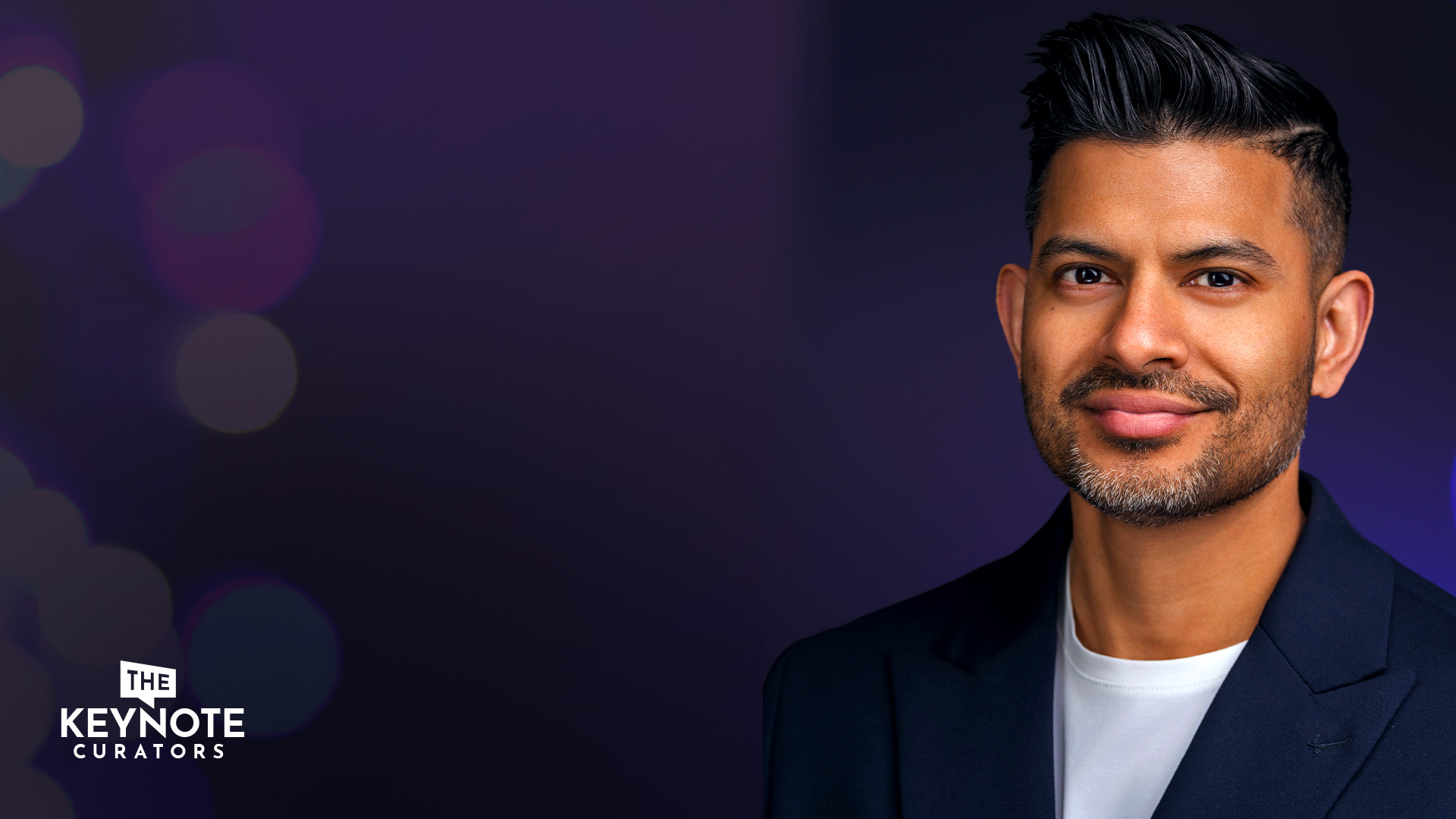
I’ve had the chance to speak with some of the sharpest minds in leadership, and the conversation with keynote speaker Adrian Gostick stands out. He’s a #1 New York Times bestselling author whose work has reached more than 1.5 million readers across 30 languages, and his research spans over a million employees. What he’s found cuts right through the noise: leaders who build cultures grounded in empathy don’t sacrifice accountability. They strengthen it. In this post, I’m unpacking what that actually looks like, why it works, and how you can bring it into the way you lead, starting now.
🎧 Watch and listen to the full interview with Adrian Gostick here
How Empathy at Work Became a Leadership Performance Strategy
There’s a common assumption in business leadership that empathy and performance exist on opposite ends of a spectrum. You either push for results or you take care of people. Adrian’s research dismantles that entirely. After studying teams across industries and organizational sizes, what he found is that the highest performing groups share one consistent trait: people feel genuinely valued, and that feeling translates directly into discretionary effort.
This isn’t about softening standards. It’s about sequencing. When people feel cared for first, they become far more receptive to feedback, more willing to take on difficult work, and more likely to bring their full effort rather than just the minimum required. Empathy at work, in this context, isn’t a personality trait. It’s a leadership practice with measurable outcomes.
The framing I keep coming back to from that conversation is this: everyone still has to take out the garbage. The hard tasks don’t disappear. The expectations don’t lower. But the relational context in which those expectations live changes everything. Leaders who understand this stop choosing between caring and demanding. They do both, and they do them in the right order.
The Weekly Recognition Rule Backed by Million-Person Research
One of the most specific and actionable insights Adrian shares is what he calls the weekly recognition rule. In the highest performing teams his research has identified, employees feel praised and recognized roughly once a week for something specific tied to the organization’s values. Not a generic “good job.” Not a performance review comment from six months ago. Something current, specific, and connected to what the company actually stands for.
This kind of recognition is a form of empathy at work in action. It signals that someone paid attention. That the work mattered. That the person doing it was seen. And that signal, repeated consistently, builds the kind of trust that makes accountability feel collaborative rather than punitive.
What strikes me about this isn’t the frequency, it’s the specificity. Vague praise is easy to dismiss. But when a leader points to a particular moment, a customer interaction handled with care, a team member who stepped up without being asked, it lands differently. It tells people what the organization actually values, not just what it says it values. That gap between stated values and demonstrated recognition is where employee engagement either grows or quietly erodes.
Adrian’s work through FindMojo.com has helped organizations measure exactly this kind of cultural alignment, and the pattern holds across industries, geographies, and organizational sizes. The leaders who make recognition a weekly habit aren’t just being nice. They’re building the conditions under which great work becomes the norm.
The Empathy Message a Seven-Figure Executive Still Needs to Hear
One of the moments in my conversation with Adrian that I keep thinking about is a story he told about speaking for a large engineering firm, with around 70,000 employees. After his session, the CHRO, someone who almost certainly earns seven figures, came up to him with something that looked a lot like quiet frustration. The point Adrian was making, and making well, is that the need to feel acknowledged doesn’t stop at a certain salary level or title.
“You know, you’re raising a kid. It’s not just beating, beating, and telling them all the things they’re doing wrong. No. You realize very quickly that you lift and you lift. And now, and then you, correct.”
That analogy landed hard for me. It’s the same principle whether you’re leading a frontline team or a C-suite. The rhythm of recognition before correction isn’t just compassionate, it’s effective. People who feel consistently lifted are far more likely to hear the correction when it comes. People who only ever hear what they’re doing wrong start tuning it out, or leaving.
Empathy at work, applied at every level of an organization, creates the kind of psychological safety where feedback is possible. Without it, even the most precisely delivered performance conversation falls flat. This is part of why thought leadership in this space keeps returning to culture as the foundation, not a nice-to-have.
The Penny-in-Pocket Ritual and Why Small Habits Scale
Adrian describes a simple behavioral technique that some leaders use to make recognition a consistent practice. The idea is physical and deliberate: move a penny from one pocket to another each time you recognize someone for something specific. It sounds almost too simple to matter, but that’s exactly the point. The habit is designed to make an invisible behavior visible and trackable.
This kind of empathy ritual gets at something important about professional development for leaders: the gap between knowing what to do and actually doing it is almost always a systems problem, not a values problem. Most leaders would say they believe in recognizing their people. Far fewer do it consistently enough to make a real difference. The penny trick isn’t about the penny. It’s about making a meaningful behavior measurable.
For leaders thinking about change within their organizations, this kind of micro-habit is often where transformation actually begins. Not in a reorg, not in a new strategy deck, but in the daily choices a leader makes about who they notice and what they say about it. Scaled across a team, a department, or a full organization, those choices become corporate culture.
Where Empathy at Work Shows Up in Real Industries
The examples Adrian reaches for aren’t abstract. He talks about bath remodeling contractors. About engineering firms with tens of thousands of employees. About customer service teams trying to drive specific behaviors. In each case, the pattern holds: the leaders and professionals who listen carefully, notice the details, and make the people around them feel genuinely cared for are the ones who outperform.
“In this case, it was customer service. These folks were trying to encourage. This is important now.”
That sentence gets at something fundamental about how empathy and innovation actually happen inside organizations. It doesn’t start with a new product or a disrupted process. It starts with people who feel engaged enough to care, who feel safe enough to try, and who feel valued enough to stay. The contractor who listens to what a client actually wants, not just what they asked for, wins the repeat business. The team leader who notices when someone went above and beyond, even when it wasn’t required, builds a team that keeps going above and beyond.
This is what business growth built on culture actually looks like. It’s not a rallying speech at an all-hands meeting. It’s the accumulation of small, deliberate acts of empathy at work that signal to people: you matter here, your work matters here, and we’re paying attention.
Balancing Empathy and Accountability Without Losing Either
The tension most leaders feel when this topic comes up is real. If I spend too much time recognizing people, will they stop pushing themselves? Will accountability feel toothless? Adrian’s answer, grounded in his research, is clear: no, not if you do it in the right sequence and with the right specificity.
The key is that recognition tied to values isn’t flattery. Its direction. When you tell someone, specifically, that the way they handled a difficult client conversation reflected exactly what the company stands for, you’re doing two things at once. You’re making them feel valued, and you’re reinforcing the standard. That dual function is what makes empathy at work so powerful as a leadership tool. It doesn’t soften expectations. It clarifies them in a way that motivates rather than pressures.
Strategy that ignores this dynamic tends to produce cultures built on fear of consequences rather than commitment to outcomes. Fear cultures can generate short-term compliance, but they rarely produce the kind of discretionary effort and long-term retention that business sustainability requires. The future of work will belong to organizations that figure out how to hold both things at once: high standards, empathy, and genuine care.
Adrian’s work as a best-selling author and executive coach, including his role in Marshall Goldsmith’s MG100 coaching cohort, gives him a vantage point that combines large-scale research with hands-on organizational work. The leaders he coaches at companies like Danaher, Bank of America, and Cisco aren’t being asked to be softer. They’re being asked to be smarter about how care and accountability reinforce each other.
Applying This Empathy Mindset to Your Own Leadership Practice
If there’s one shift I’d encourage any leader to make based on this conversation, it’s to move recognition from occasional to rhythmic. Not manufactured, not hollow, but genuinely observant and consistently expressed. Pay attention to what your people are doing that actually reflects the values you say matter. Then say it out loud, specifically, regularly.
This is the foundation that makes everything else work. Productivity conversations land better. Difficult feedback is received more openly. Accountability feels shared rather than imposed. Culture shifts from something that happens to people to something people actively participate in building.
Empathy at work, done well, is not the absence of high standards. It is the reason people choose to meet them.
If you want to bring this kind of thinking into your organization, Adrian Gostick is one of the most grounded, research-backed voices in this space. His sessions move people because they combine real data with the kind of practical, human insight that leaders can actually use the next day. I’ve seen it work, and I’d love to help you bring that experience to your team.
🎬 Watch the full interview about empathy at work here
📅 Let’s talk about your next event: book a 15-minute call
✉ Reach out directly: info@thekeynotecurators.com
Discover More Insights



Get in TouchContact US
Fill out the form so we can best understand your needs.
A representative from The Keynote Curators will reach out to you.